Western Dressage: Classical Training in Western Tack
What happens when the systematic training of classical dressage meets the stock horse world? Western dressage — a discipline that develops the horse's balance, suppleness, and responsiveness while keeping the western saddle, western attire, and western way of going. It is one of the friendliest on-ramps in the horse world for riders who want to deepen their horsemanship without switching disciplines.
What Western Dressage Is
Western dressage applies classical dressage principles — rhythm, relaxation, connection, and straightness — to the western horse, ridden in western tack and judged on the same 0-to-10 scale as traditional dressage. The gaits have western names: the trot becomes the jog and the canter becomes the lope, ridden with the same demand for purity and energy. Quiet voice cues are allowed, and turn on the forehand appears early in the tests. The Western Dressage Association of America, affiliated with the U.S. Equestrian Federation, is the sport's largest organization in the United States. Any breed can compete — including gaited horses, which may show their intermediate gait instead of the trot.
Tests and Levels
Competition is built around prescribed tests: set patterns of movements ridden at specific letters in a standard arena, each movement scored individually and totaled as a percentage. Riders begin at Introductory and Basic levels, progressing through Levels 1 to 4 and beyond, with tests growing more demanding — lateral work, collected gaits, and flying lead changes — as horse and rider advance. Each test carries a stated purpose, so you always know what the judge is evaluating. Because riders choose their own level and move between levels freely, you compete at the level that matches your training today, not the level you wish you were at.
Who It's For
Western dressage suits almost any western rider who wants a structured way to improve: youth riders building fundamentals, adult amateurs seeking clear goals, ranch riders wanting a more supple and responsive horse, and riders returning to the saddle who appreciate a progressive system. It is also a natural second act for horses stepping down from faster sports, since the emphasis on correctness over speed plays to a seasoned horse's strengths. If you have ever wished your pleasure or trail horse were lighter, straighter, and more balanced, the training pyramid of western dressage is built exactly for that wish.
Tack, Attire, and First Steps
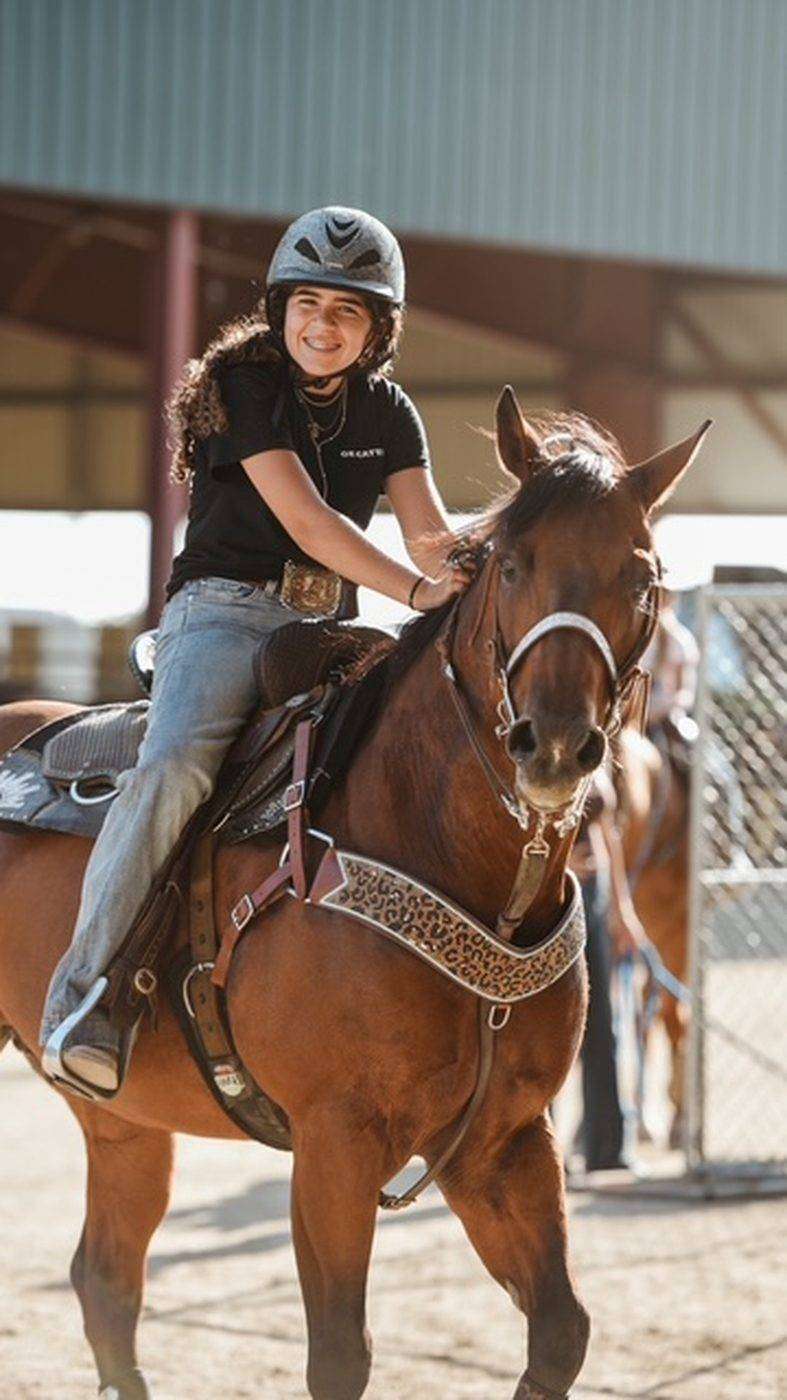
You likely already own what you need: a western saddle, western bridle, and saddle blanket, with either a curb or snaffle bit permitted under most rules. Riders wear western shirts, jeans or show pants, and boots; chaps are allowed and cowboy hats are traditional, though helmets are always a smart choice. The best first step is simply to ride one of the introductory tests at home — the patterns are published and free to learn — or to find a western dressage clinic or schooling show nearby. Many riders start with video-based virtual shows, which let you compete from your home arena while you learn the ropes.
Keep reading
From the ranch