Western and English: Two Traditions
Cowboy roots and cavalry roots — the two great riding traditions, and the horsemanship they share.
Western
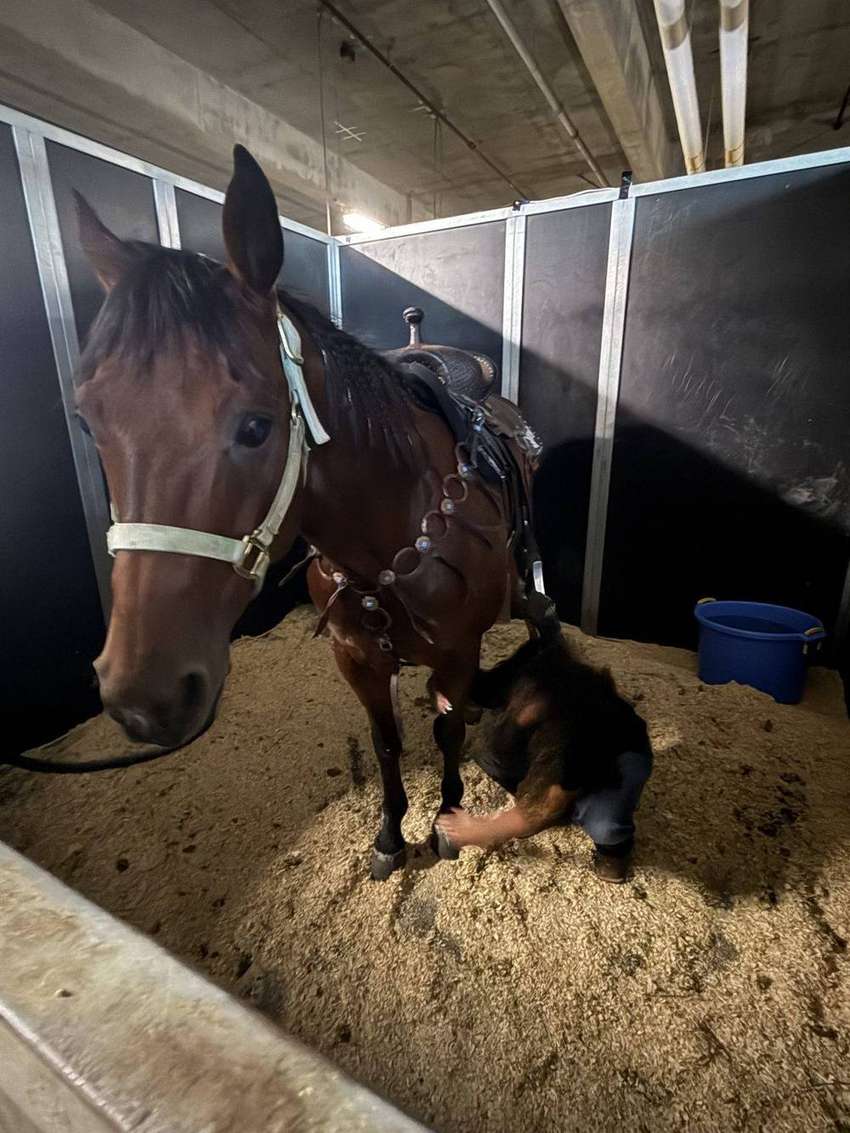
Born from ranch work: roping, cutting, long days covering country. The rider sits deep, reins in one hand, and the horse works with independence — a good ranch horse thinks for itself.
English
Born from cavalry and European sport: dressage, jumping, eventing. The rider posts the trot, reins in both hands, and the partnership is precise — horse and rider as one instrument.
The shared core
Underneath the tack, it is the same animal and the same deal: clear aids, fair timing, and a horse that trusts its rider. Good horsemen borrow from both traditions freely.
What you will see at the ranch
Working ranches run western — it is the tack of the job. But the groundwork, the grooming, the patience? That belongs to every tradition there is.
The California vaquero root
Before there was “western” riding, there was the vaquero — and California is where that story starts. Spanish horsemen brought their traditions up the coast in the 1700s, developing a style built on balance, a light hand, and years of patient horse training: the bridle horse, finished so finely it could be ridden in a delicate spade bit. The American cowboy tradition grew directly out of vaquero roots — the words themselves give it away: bronco, lariat, rodeo, all Spanish. Norco sits in the middle of this history; “HorseTown USA” did not get its horses by accident. When you see a working ranch horse move with quiet precision, you are looking at centuries of California horsemanship. The big-two traditions get the attention, but the vaquero got here first. That heritage is part of why a place like Norco feels the way it does — the vaquero tradition never really left California, it just put on a work shirt. Look for it in the quiet hands of the old-timers.
Keep reading
From the ranch