American Paint Horse Facts: Color, Cow Sense, and Calm
The American Paint Horse pairs the athletic, willing mind of a stock horse with some of the flashiest coloring in the horse world — bold patches of white over bay, black, chestnut, or palomino. If you love the Quarter Horse's temperament but want a horse that stands out in a crowd, meet the Paint.
What the Paint Horse Is Known For
Paints share deep roots with the Quarter Horse — in fact, the two breeds were closely intertwined until the Paint got its own registry, and Paint bloodlines still overlap heavily with Quarter Horse lines. The difference is the coat: tobiano, overo, and tovero patterns that splash white across the body in patterns no two horses share. Build and ability mirror the stock-horse type: compact, muscular, 14.2 to 16 hands, with the agility and cow sense that define ranch horses. Paints are stocky enough for ranch work, quick enough for speed events, and pretty enough for the show ring. Their color makes them easy to spot and easy to love, but serious horsemen value them for what is under the coat.
Temperament and Handling
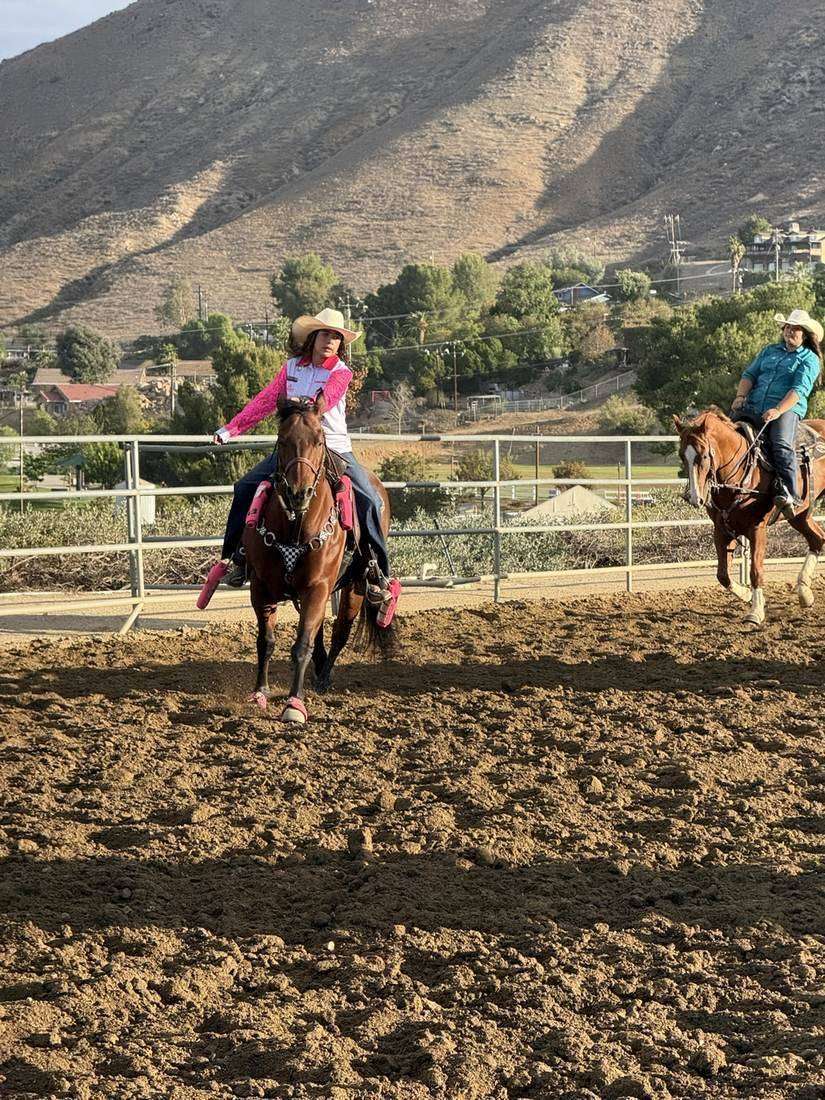
Paints are prized for their calm, willing, people-friendly dispositions — very much in the stock-horse tradition. They tend to be sensible under saddle, tolerant of beginner mistakes, and steady in new situations, which is why they show up so often in lesson programs, 4-H, and youth rodeo. Like any horse, they need consistent handling and clear expectations; a Paint that has been allowed to get pushy will test boundaries just like any other breed. Most respond beautifully to patient, reward-based training and enjoy having a job. For families and newcomers, a well-trained Paint is one of the most forgiving partners you can find.
Disciplines That Suit the Breed
Just about any western discipline welcomes the Paint: barrel racing, pole bending, reining, cutting, roping, ranch riding, and western pleasure all have strong Paint divisions, and the breed association runs shows built around them. Their movement and manners also translate to English classes — hunters, dressage, and jumping at the amateur levels — and they make steady, attractive trail horses. Youth riders especially gravitate to Paints because the breed's shows and programs are welcoming to newcomers. Whether your goal is competition, ranch work, or weekend trail rides, a Paint can grow with you.
What a Beginner Should Know
A Paint is an excellent breed choice for a beginner — with the usual caveat that the individual horse matters more than the breed. Seek out an older, well-broke horse with a record of carrying novice riders, and bring an instructor to evaluate any purchase. Be aware that some color patterns are linked to a higher chance of deafness in horses with extensive white around the ears, so have your veterinarian check hearing and vision during a pre-purchase exam. Day-to-day care follows the standard playbook: quality hay, fresh water, regular hoof and dental care, and vaccinations on schedule. Start slow, build trust on the ground, and enjoy one of the friendliest breeds in the barn.
Keep reading
From the ranch