Horse Colors and Markings
Bay, chestnut, black, gray, pinto — plus stars, socks, and blazes. Learn to describe the horse in front of you like a horse person.
Base colors
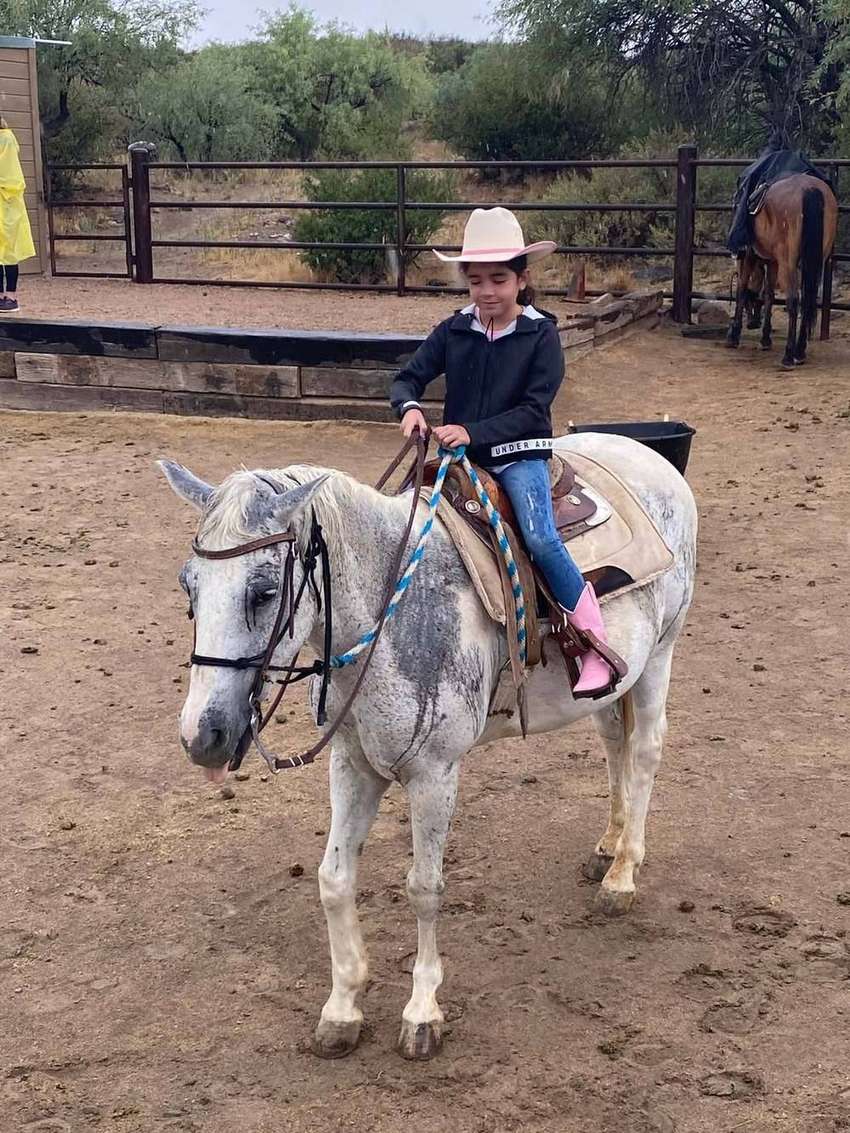
Bay: brown body, black mane, tail, and lower legs. Chestnut/sorrel: reddish body and mane. Black: black all over. Gray: born dark, lightening with age. Palomino, buckskin, roan — the fancy ones you will learn at the barn.
Face markings
Star: a spot on the forehead. Stripe: a narrow face marking. Blaze: a wide one. Snip: a spot on the muzzle. Bald face: white covering most of the face.
Leg markings
Coronet: just above the hoof. Pastern, fetlock, sock, stocking — white climbing progressively higher up the leg.
Why it matters
Markings are how horses are identified — on vet records, in conversation ('the bay with the blaze'), and in your own memory of the herd.
Coats change with the seasons
The horse you meet in July may look like a different animal by January. Winter coats grow in longer, thicker, and often darker, hiding markings that stood out in the sleek summer coat — that crisp blaze softens under a shaggy forelock. Black horses are famous sun-bleachers: months of turnout can fade a true black to a rusty brown, and the real color returns with the winter coat. Grays change on a longer clock, lightening year by year from dark foal coats toward near-white in old age; a gray's age is written in its shade. Even bays shift, dappling in spring when the new coat comes in glossy. None of this changes the horse underneath, but it is one more reason to know individuals rather than descriptions — and one more small pleasure of watching a herd through the year. Photograph your horse in each season if you want a real record — memory is a poor substitute for a winter coat.
Keep reading
From the ranch