What Is Neck Reining and How Do I Learn It?
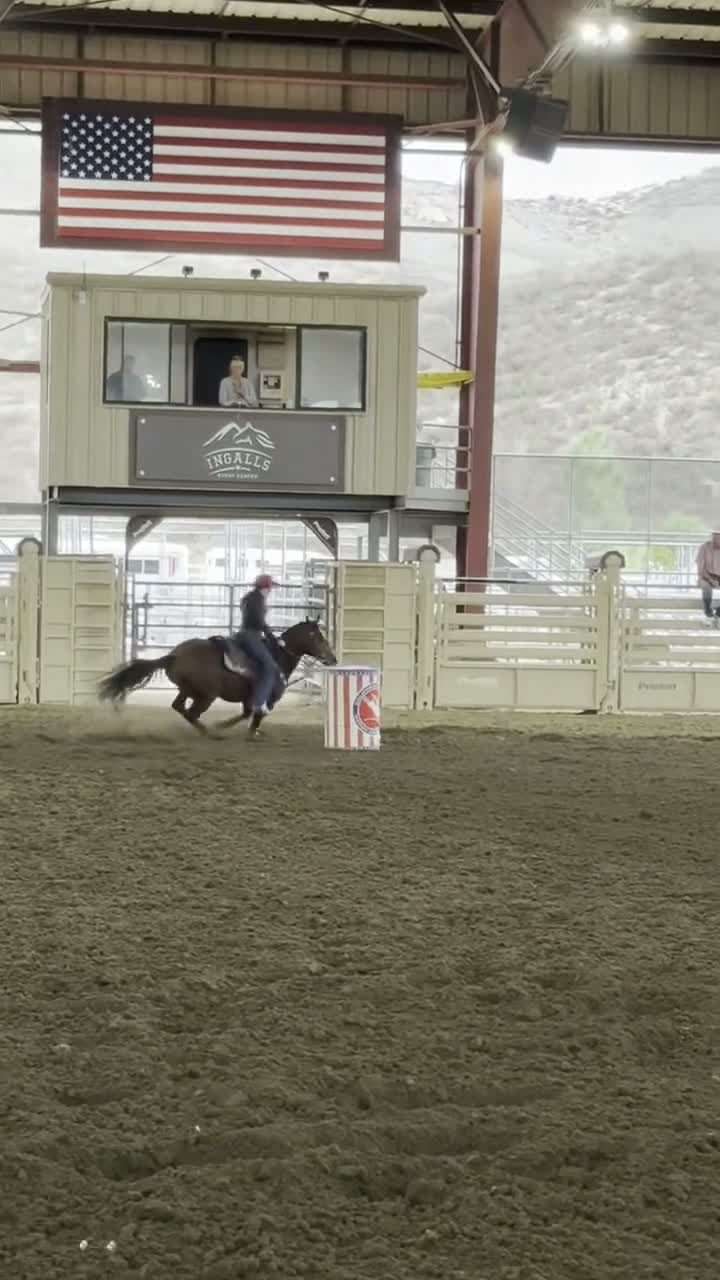
Neck reining is steering with one hand: you lay the rein against the horse’s neck and he turns away from the pressure. It is the classic western way of riding, and it feels like magic the first time a horse turns from a touch on his neck.
How is neck reining different from direct reining?
Direct reining — the way most beginners start — steers by pulling the horse’s nose in the direction of the turn: left rein pulls the head left. Neck reining works the opposite way: you lay the right rein against the right side of the horse’s neck, and the horse moves away from that pressure, turning left. It looks effortless, like the rider barely moves a hand. Under the surface, though, the horse is responding to the same pressure-and-release principle as everything else: rein touches neck, horse steps away, pressure goes away. A well-trained neck-rein horse also reads your seat and legs, so the hand cue is just the lightest part of the conversation. Direct reining is how you teach the horse where to go. Neck reining is what happens once he already knows and you can ask with a whisper.
How do horses learn to neck rein?
Horses learn neck reining gradually, and the training starts with direct reining. The rider asks for a turn with the direct (inside) rein while laying the neck (outside) rein against the neck at the same time. At first the horse follows the direct rein he already understands. Over many repetitions, he starts anticipating the turn from the neck-rein touch alone, and the rider can soften and eventually drop the direct rein cue. This is a months-long process, not a weekend project. The horse has to be solid on his basic steering, stopping, and softness before neck reining makes sense. Trying to neck rein a horse that is not ready produces confusion: he feels pressure on his neck, does not know what it means, and either ignores it or guesses wrong. A qualified instructor will tell you honestly when your horse — and your hands — are ready for this step.
How should I practice neck reining as a rider?
The rider’s progression starts with riding one-handed while the horse is still guided mostly by your seat, legs, and the horse’s training. Hold both reins in one hand, keep that hand low and quiet over the withers, and make your turns by laying the rein against the neck — never by pulling across. Your body has to stay balanced and centered; riders who lean into turns or throw their hand sideways teach the horse to ignore the cue. Practice at the walk on large, simple patterns: big circles, gentle serpentines, easy changes of direction. Your instructor will watch for the two classic beginner faults — a hand that drifts too high and a rein that pulls instead of lays. When your hand stays soft and your cues stay clear, a finished horse will turn off a touch you can barely see. That quiet, one-handed ride is the goal, and it is built on patient practice, not shortcuts.
What does a good neck-rein cue feel like?
It feels like almost nothing, and that is the point. The rein rests against the horse’s neck with light, even contact, and the horse shifts his shoulders away from it smoothly. There is no pulling, no sawing, no drama. Beginners are often surprised by how little hand movement it takes once the horse understands — a few inches of hand, a light lay of the rein, and the turn happens. If you find yourself dragging the rein across the neck or lifting your hand high, something has broken down: either the horse is not fully trained to the cue, or your hand is asking too loudly. Go back to clearer, simpler patterns and check with your instructor. The best neck-reining riders look like they are doing nothing at all. That invisible quality is not natural talent; it is the result of a horse that was trained patiently and a rider who learned to ask softly and release cleanly.
Keep reading
From the ranch