Fitting a Breastplate to a Horse
A breastplate (or breastcollar) keeps the saddle from sliding back on climbs, over jumps, and on round-barrelled horses: fitted right, it stabilises without restricting the shoulder or the windpipe — two to three fingers of room, attachments that cannot creep, and a check after the first climb.
What It Is Solving — and What It Is Not
A saddle slides backward when the horse's shape gives it nothing to stay against: low or flat withers, a round barrel, a big shoulder working uphill or over fences. A breastplate anchors the saddle forward by connecting it to the girth and the saddle's front fittings, sharing the load around the chest. It is not a cure for a badly fitting saddle — a saddle that migrates because the tree is wrong will keep migrating, and strapping it in place just spreads the pressure. Fit the saddle first (this library's saddle-fit guide is the starting point); then fit the breastplate to a saddle that already belongs where it sits.
Styles: Hunting, Elastic, and Western Breastcollar
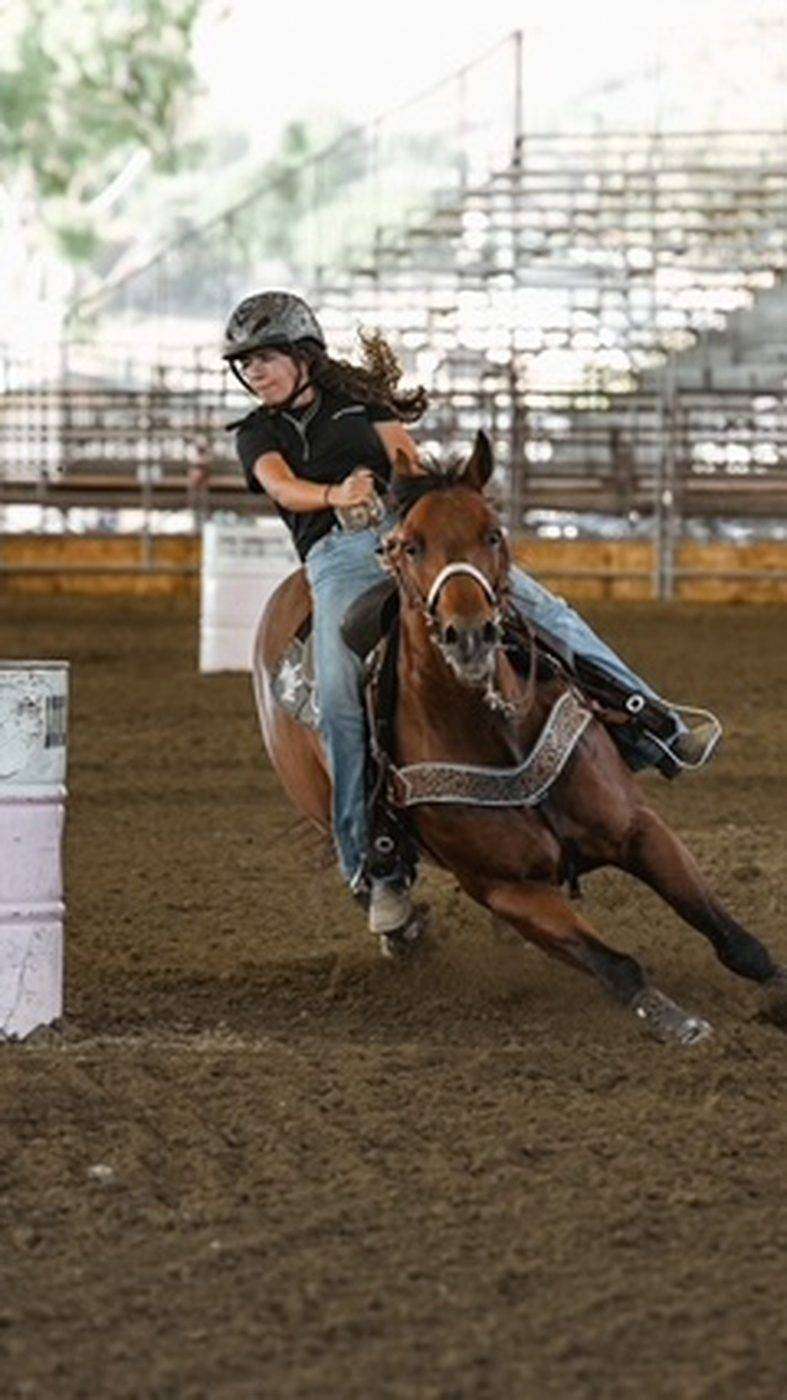
The classic hunting breastplate straps to the girth and to the saddle's stirrup bars or D-rings, with a running martingale attachment often added. Elasticated and five-point designs add straps over the withers and are popular for jumping, spreading stability across more anchor points. Western breastcollars are wider, often tooled leather, triangulated from girth to saddle rigging, and built for roping and hill work. Whichever style, the fit principles are one set: the chest strap should sit above the point of the shoulder so the shoulder can swing under it, clear of the windpipe at the base of the neck, and symmetrical — a breastplate that hangs crooked will pull the saddle crooked to match.
The Fitting Checks
With the saddle girthed as for riding: you should fit two to three fingers between the chest strap and the horse's chest, and a fist's clearance is too loose to work while skin-tight is too tight to breathe and move. Attachments to the girth should run to the girth itself (or its dedicated loop), not to a billet in a way that twists it. Run a hand along every strap for twists, check that keepers hold the loose ends, and confirm no strap crosses the windpipe or saws across the shoulder point. Then walk, trot, and — the real test — ride a hill or a small fence and dismount to check again: breastplates, like girths, settle and stretch into their working position in the first ten minutes.
Use, Care, and When to Skip It
Inspect stitching at the anchor points before every ride — a breastplate that fails on a climb fails completely — and clean leather as you would a bridle, watching elastic inserts for perishing and sheepskin pads for packed sweat. Some horses do not need one: a well-fitted saddle on a well-shaped back stays put, and extra straps are extra rubs. Horses with chest or shoulder rubs, recent chest injury, or breathing compromise should be ridden without one unless a veterinarian or saddle fitter advises otherwise. Fitted to the horse that needs it, though, a breastplate is quiet insurance: the saddle in the same place at the top of the hill as it was at the bottom.
Keep reading
From the ranch