Bridle Fit Basics
The bridle is the horse's most sensitive interface — thin skin, nerves, and teeth all live where the straps sit. Good fit is quiet and forgettable; bad fit is the reason for half the head-tossing in the world.
The pieces and what they do
A quick tour: the headstall (headpiece) carries everything over the poll behind the ears; the browband runs across the forehead and keeps the headstall from sliding back; the throatlatch runs under the throat and keeps the bridle from coming off over the ears; the noseband (cavesson) encircles the nose; and the bit sits in the mouth, attached to the cheekpieces. Each piece has exactly one job, and each has a fit check. Knowing the names matters — you can't adjust what you can't identify, and 'the strap thing' is not a unit of measurement.
The fit checks
Run through these every time you bridle: browband — should lie flat without pinching the ears or pressing into the eyes; too short and it drags the headstall into the ears. Throatlatch — you should fit a fist between the strap and the throat; its only job is keeping the bridle on, not holding the head still. Noseband — two fingers between the band and the nose on the front; the jaw needs to move to chew and relax. Bit — high enough to create one or two soft wrinkles at the corners of the mouth, not banging the teeth and not hanging low. Nothing should rub, pinch, or need forcing.
Common mistakes
The greatest hits of bad bridle fit: a noseband cranked tight (a horse that can't move its jaw can't relax, swallow, or accept the bit — tightness is not 'control'), a browband too short pulling the headpiece into the base of the ears, a bit hung too low so it clanks on the teeth with every step, cheekpieces uneven so the bit sits crooked, and a throatlatch so tight the horse can't flex. Most of these come from the idea that tighter equals safer or more controlled. It doesn't — it just equals more resentment, expressed through the head.
Comfort shows
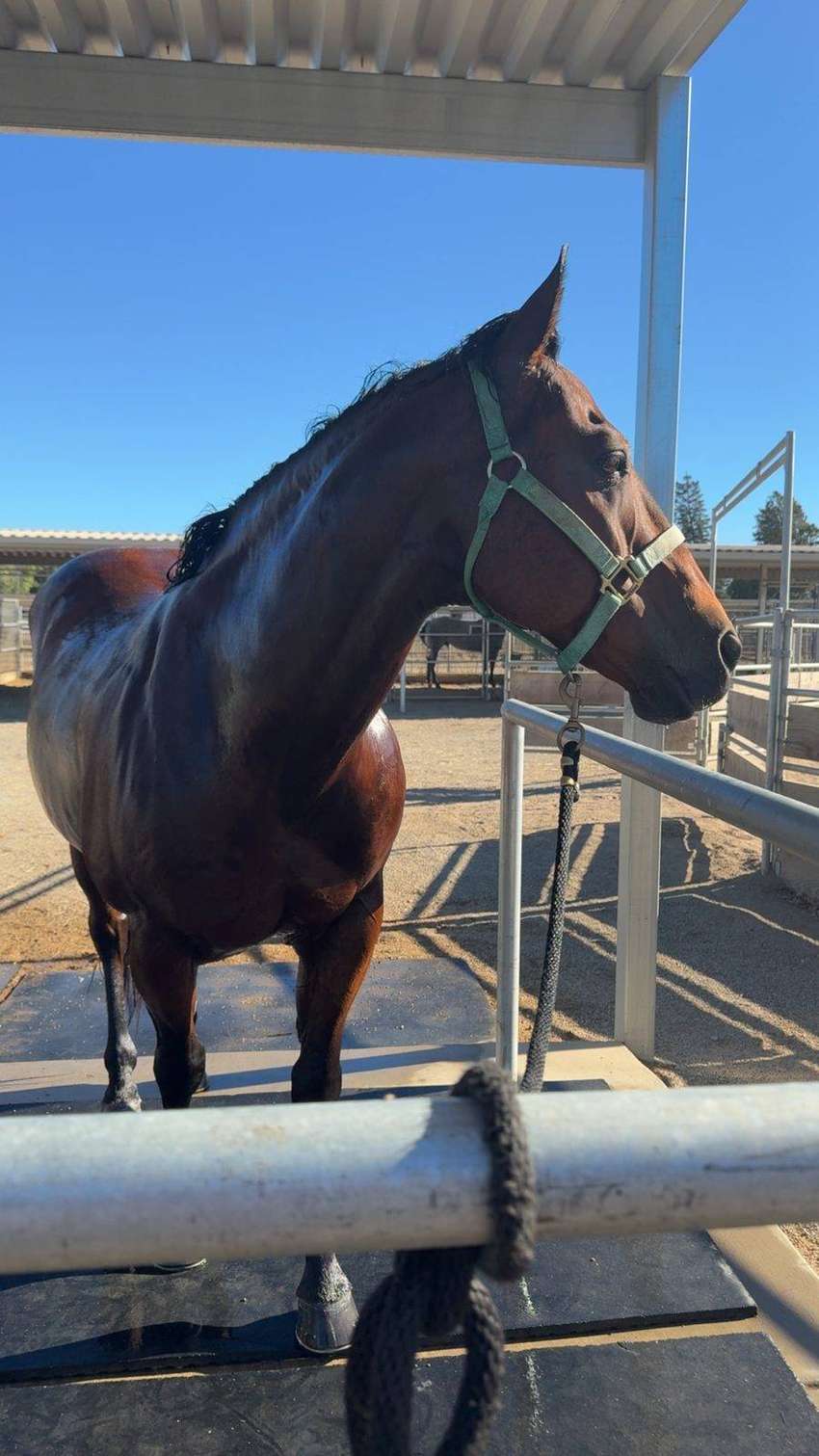
A well-fitted bridle disappears: the horse bridles willingly, the mouth is quiet, the jaw relaxes, and contact feels like a conversation instead of an argument. When a horse gets fussy — head-tossing, gaping, rooting, resisting the bridle itself — check the fit before you check the training. Horses rarely lie about discomfort; they just report it in the only language they have. Fit the bridle to the horse in front of you, recheck as the horse changes, and the head problems you 'used to have' have a way of quietly vanishing.
Keep reading
From the ranch