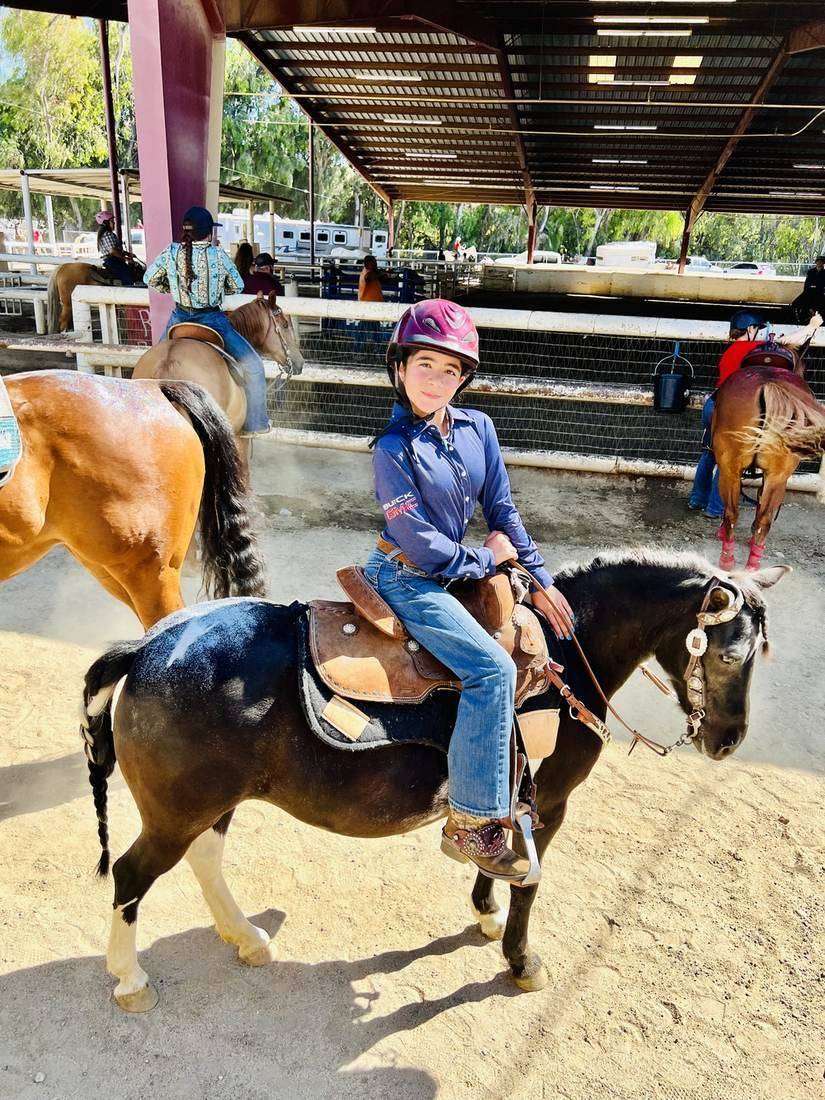
Girth Fit Basics: Snug, Secure, and Kind to Your Horse
The girth is the one piece of tack that holds everything together, and its fit deserves more attention than it usually gets. Too loose and the saddle slides; too tight and the horse is miserable before you ever step into the stirrups. Add the common problem of girth sores, and it becomes clear why a little knowledge here pays off every single ride — for beginners and experienced riders alike.
Knowing the Girth Types
English riders generally meet three styles: the straight girth, the contoured or anatomical girth that curves to sit behind the elbow, and the string girth with its breathable corded design. Western riders use a cinch, often straight or roper-style, paired with a latigo and off billet. Each type has its place, and none is universally best. What matters is that the style suits your saddle, your horse's shape, and the work you are doing. When you are starting out, ride in what your barn or instructor provides and notice how each style feels before investing in your own.
The Two-Finger Rule and Finding the Right Spot
A reliable starting point is the two-finger rule: once the girth is snugged up, you should be able to slide two fingers — laid flat, not jammed — between the girth and the horse's side. Position matters as much as tightness. The girth should sit a hand's width behind the horse's elbow, lying flat against the body with no wrinkles in the skin beneath it. If it creeps forward into the elbow's movement, the horse will let you know through pinned ears, biting at the air, or reluctance to move forward — all signs to loosen up and reposition.
Girthing Up Gradually
Resist the urge to crank the girth tight in one go. A kinder method is to girth up in stages: snug it lightly at the tie rail, lead the horse a few steps or do a few minutes of groundwork, then check and tighten a hole or two. Repeat after mounting — saddles settle once weight is in them. Before you ride off, walk the horse forward a few steps and ask it to stretch each front leg forward one at a time; this pulls any pinched skin out from under the girth and is one of the oldest barn tricks for good reason.
Preventing and Spotting Girth Sores
Girth sores — rubs or small wounds where the girth sits — come from dirt, uneven pressure, or a girth that is too tight, too loose, or dirty. Keep the girth clean and check it for rough edges or cracked leather. After every ride, run your hand along the girth area and look for heat, swelling, or hair rubbed thin. Catching a sore early, while it is just a bald spot, is a rest-and-wait fix; riding on through it turns it into a real wound. When in doubt about a sore or swelling, ask your instructor or veterinarian before tacking up again.
Keep reading
From the ranch