Youth Rodeo Basics: Age Divisions, Events, and Getting Started
Youth rodeo is where the next generation learns rodeo’s timed events in a format built for kids — age divisions, age-appropriate livestock, and an emphasis on sportsmanship over payouts. It is one of the most family-oriented corners of the horse world, with parents, grandparents, and volunteers filling the arena crew. Here is what youth rodeo looks like and what a family needs to know before the first entry form.
Age Divisions and How Competition Is Structured
Youth rodeo organizes riders by age so kids compete against their peers. The exact brackets vary by association, but a common shape is pee-wee for the youngest riders, junior for the middle group, and senior for the teenagers — each division running its own set of events and its own points standings. Events run simultaneously in multiple arenas at most youth rodeos, which keeps a long day moving and lets families watch siblings in different divisions. A season typically builds toward a year-end finals, with points accumulated across rodeos deciding who qualifies. Prizes skew toward buckles, trophies, saddles, and scholarship-style awards rather than large cash payouts, which keeps the emphasis on horsemanship and effort. For parents, the structure is reassuring: your child is measured against kids their own age and experience level, in events scaled to what young riders can safely handle.
The Events Kids Actually Compete In
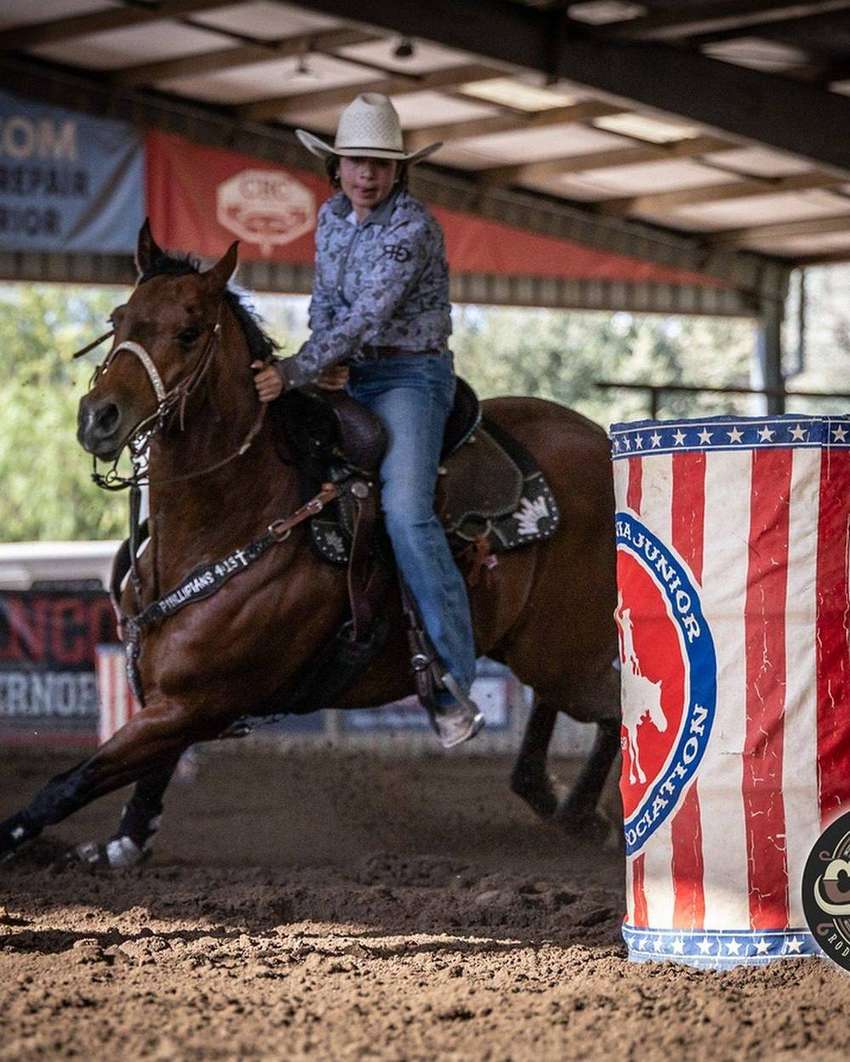
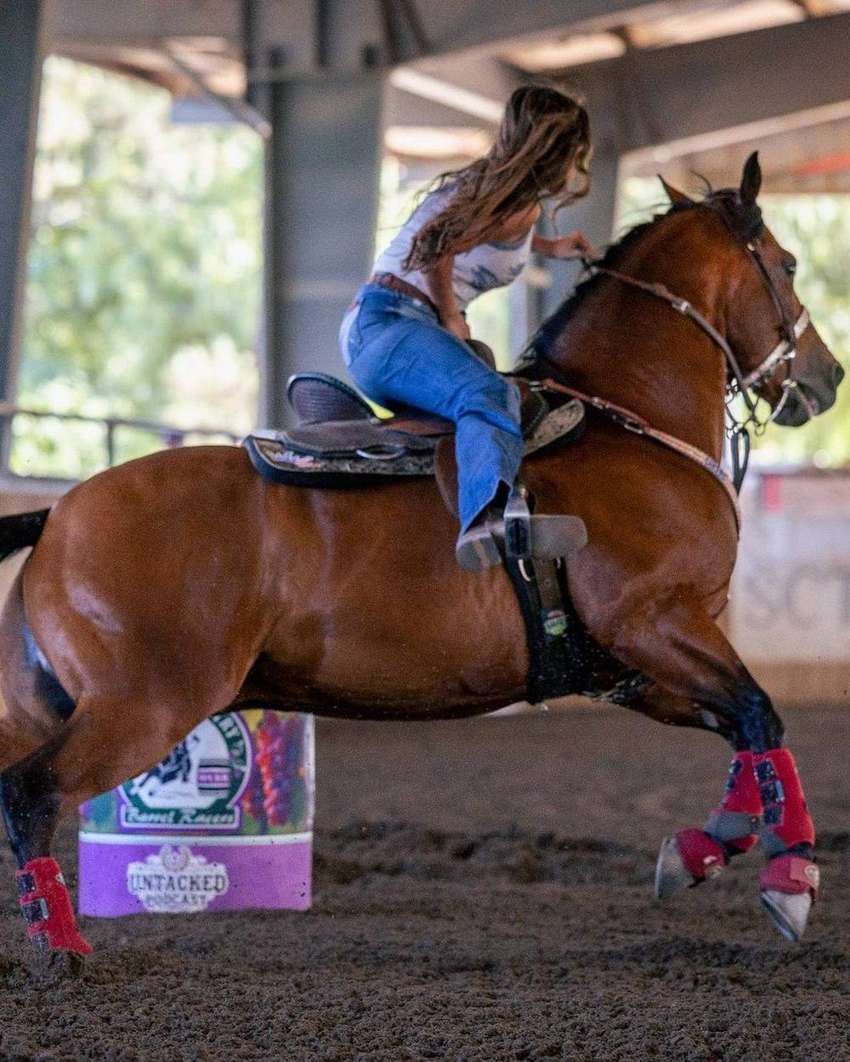
Youth rodeo’s event list mirrors adult rodeo’s timed events, scaled down. Barrel racing and pole bending are the backbone — pure speed-pattern events that reward a well-trained horse and a confident rider. Goat tying teaches dismounting at speed, flanking, and tying, and it is a favorite of kids who like the all-around challenge. Breakaway roping introduces roping fundamentals without the dismount and flank of tie-down roping. The littlest riders get their own world: dummy roping (roping a stationary dummy, sometimes from the ground) and stick-horse events that let tiny competitors join the fun safely. What you will not see is children on bulls or bucking broncs — roughstock is for adults, full stop. The pattern is consistent: take the skill, shrink the livestock, keep the format, and let kids build real competence one division at a time.
What a Family Needs to Start
Starting youth rodeo takes less than many families expect, and more patience than most expect. The first requirement is a safe, seasoned horse — speed matters far less than a horse that is calm, sound, and forgiving of beginner mistakes, and many families start with a lease before buying. Entry fees are part of the sport at every level, so budgeting for a season of entries, fuel, and stalling is part of the plan. Beyond the horse, the gear list is straightforward: a well-fitting saddle, a helmet or protective vest where required or encouraged, boots, and a rope if your child ropes. Just as important is a coach or mentor who understands youth rodeo — someone who can match events to the rider’s readiness and keep progress steady. Families who thrive in youth rodeo treat it as a team project: kids learn responsibility caring for their horse, and parents learn the rhythm of early mornings, long arena days, and celebrating effort over placing.
Sportsmanship and Finding Your Association
Ask around any youth rodeo and you will hear the same value repeated: how you win matters as much as whether you win. Kids are expected to congratulate competitors, thank volunteers, treat livestock with care, and accept a judge’s call with grace — and associations take these expectations seriously. That culture is one reason families stay for years; the arena becomes a community where kids grow up together across seasons. To find a starting point, look for the youth or junior rodeo associations active in your region — most have websites or social pages listing their schedule, divisions, and membership details. Attend one rodeo as a spectator first: walk the grounds, watch the pee-wee events, and talk to parents in the stands. They will tell you which events fit beginners, which clinicians are worth the drive, and what they wish they had known in year one. Youth rodeo rewards the families who show up curious and stay humble.
Keep reading
From the ranch