Trick Riding Basics: Gymnastics at the Gallop
Trick riding is the rodeo and exhibition art of performing gymnastic moves on a galloping horse — standing, hanging, and vaulting in motion. Behind every crowd-stopping trick is a slow, methodical training system.
Where Trick Riding Comes From
Trick riding's roots run through Cossack cavalry riding (dzhigitovka), circus performance, and the American rodeo and Wild West show tradition, where riders like the great exhibition performers turned cavalry skills into headline acts. The vocabulary is athletic: the hippodrome stand (standing upright in the saddle at a gallop), the suicide drag (hanging low beside and behind the horse), vaults, and shoulder stands. Modern trick riders perform at rodeos, fairs, and exhibitions, and a small competitive scene judges compulsory and freestyle routines.
The Horse Is the Foundation
A trick-riding horse is a specialist as trained as any in this library: it must gallop a perfectly straight, even track at a consistent speed, ignore a rider moving all over its back and sides, and stop on cue at the end of the run. Horses are selected for steadiness and a rhythmic, ground-covering gallop, then trained to the track and the cues long before tricks are added. The saddle is specialized too — built with the straps, handles, and a secure seat the rider's moves depend on — and the horse wears protective leg gear as standard.
How Riders Actually Learn
Nobody starts at the gallop. Instruction begins on the ground and on vaulting barrels, moves to moves at a standstill and a walk on a trained school horse, and adds speed only as each skill is automatic — a progression measured in months and years, with spotters, mats, and coaching from experienced trick riders. Strength and flexibility training off the horse is part of the program, as is falling practice. Professional instruction is not a recommendation here so much as the definition of the activity: this is a discipline where the line between trained and reckless is drawn by who taught you.
Appreciating It Safely
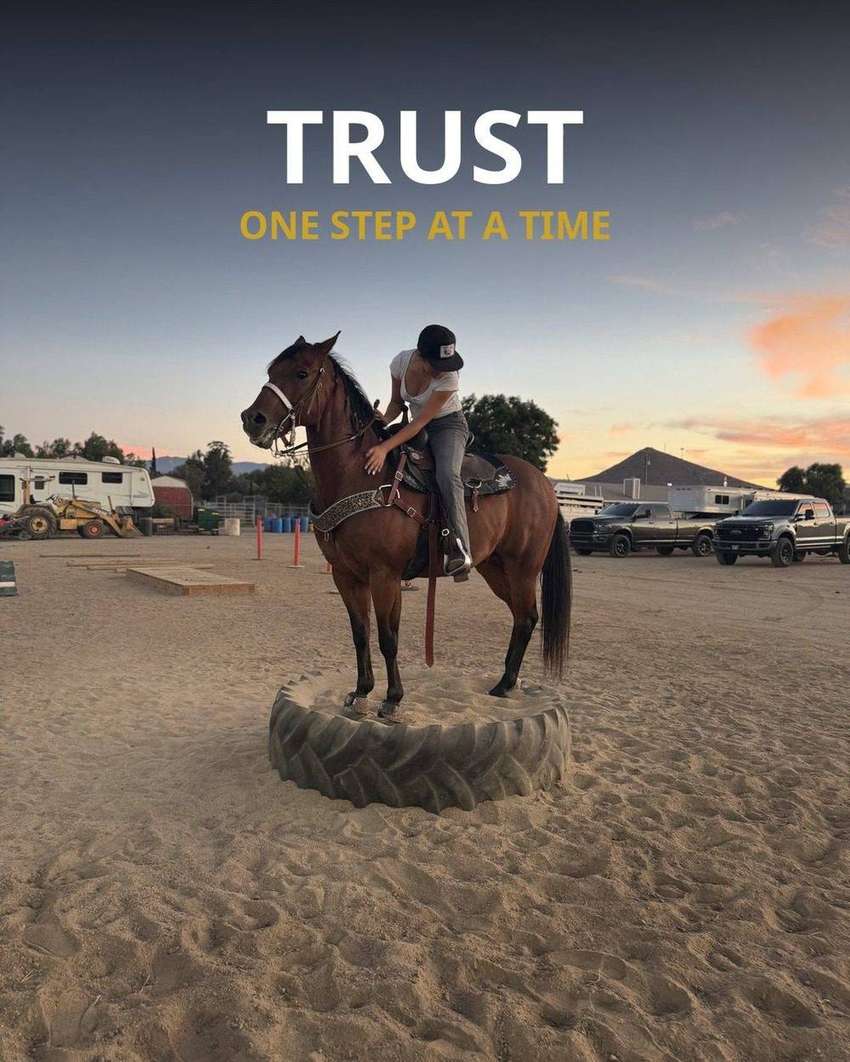
For most riders, trick riding is a spectator art — and a superb one, because it makes visible a level of trust between horse and rider that few sports display so nakedly. If it sparks ambition, the honest path is a clinic or school with trained horses and credentialed instructors, beginning with vaulting-style basics. What it should never be is an experiment on a ranch horse in an ordinary saddle: the horse has not been trained to carry a standing rider, the tack is wrong, and the speeds involved forgive nothing. Enjoy the pros; they have earned every second of it.
Keep reading
From the ranch