Rodeo Queen Competitions: Horsemanship First
A rodeo queen competition is not a beauty pageant with a horse in the photo — it is a judged contest of horsemanship, rodeo knowledge, public speaking, and ambassadorship, and the crown is a working job.
What the Title Actually Is
Rodeo queens are the sport's ambassadors: they represent their rodeo, association, or state at events across the country, appear in grand entries and sponsor visits, speak to media and school groups, and promote the sport and its sponsors for a title year. At the top of the ladder, state queens compete for Miss Rodeo America, a pageant held with the National Finals Rodeo that has crowned a national ambassador since the 1950s. Local and state contests feed that ladder, and the judging everywhere follows the same logic: this is a hiring decision for a hard, public, horse-powered job — not a coronation for a photograph.
The Judged Divisions
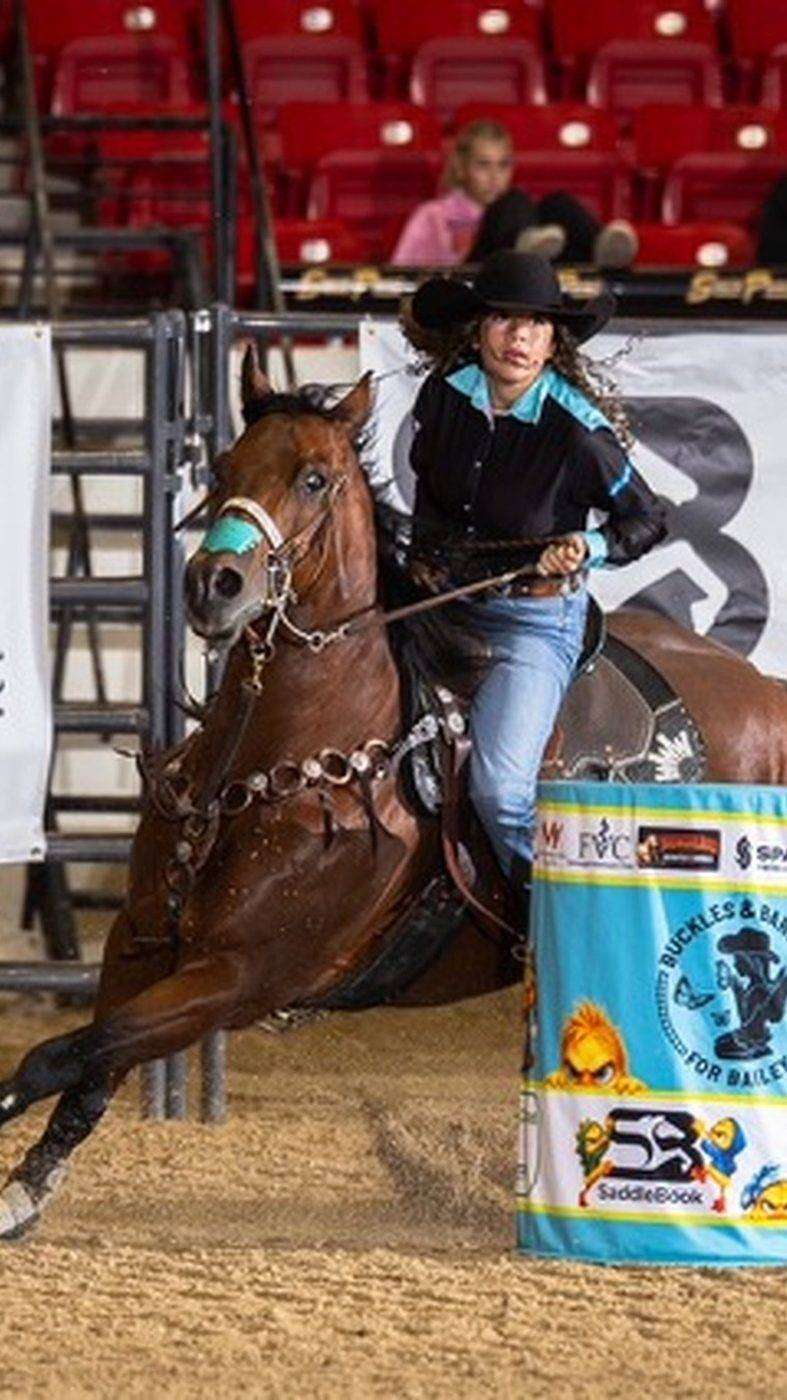
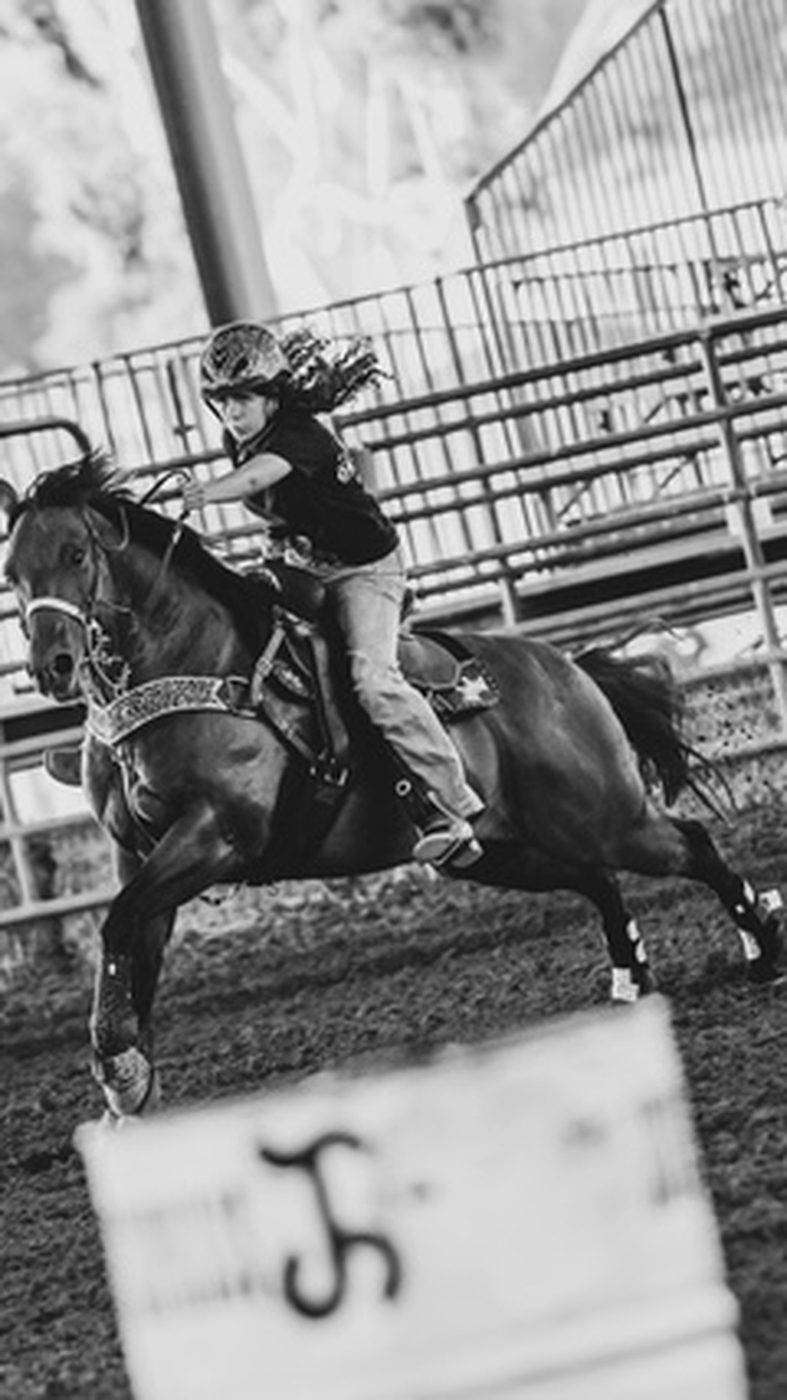
Contestants are typically scored across several divisions. Horsemanship carries heavy weight: a prescribed pattern ridden on the contestant's own horse, often followed by a ride on an unfamiliar draw horse, plus flag runs and grand-entry riding judged at speed. Personality and appearance divisions cover interviews, impromptu questions, prepared speeches, and modelling of western attire — judged for knowledge, poise, and communication as much as polish. A written test on rodeo rules, livestock, and current events appears in many contests. The composite winner is the young woman who can ride, think, and talk — in that order of difficulty to fake.
A Year of Service, Not a Sash
The crown's calendar is the real prize and the real test: dozens of rodeos and appearances, thousands of miles, sponsor obligations, media interviews, and the expectation of grace with everyone from a nervous mutton buster to a title sponsor's board. Titleholders raise money and attention for their rodeos and charities, recruit the next generation of fans, and become many young riders' first proof that the sport has a place for them beyond the arena floor. It is genuine career training in public life — former queens populate rodeo media, associations, and sponsor companies.
Preparing to Compete
Serious preparation mirrors the judging: weekly horsemanship work on pattern precision and strange-horse adaptability, coached practice in interviews and impromptu speaking, study of rodeo rules and industry news, and a wardrobe built for function across a year of appearances. Mentorship from former titleholders is the sport's open secret — queens coach queens. For families considering it, start at the local rodeo's contest, where the stakes are friendly and the learning is the same. Behind every wave in the grand entry is a contestant who once answered a hard question in an interview room and rode a pattern clean; the wave is earned long before it is waved.
Keep reading
From the ranch