Barrel Racing 101: The Cloverleaf Pattern, Rules, and Getting Started
Barrel racing is rodeo's signature speed event — horse and rider against the clock around three barrels in a cloverleaf. It's thrilling to watch and deeply technical to do well.
The Pattern
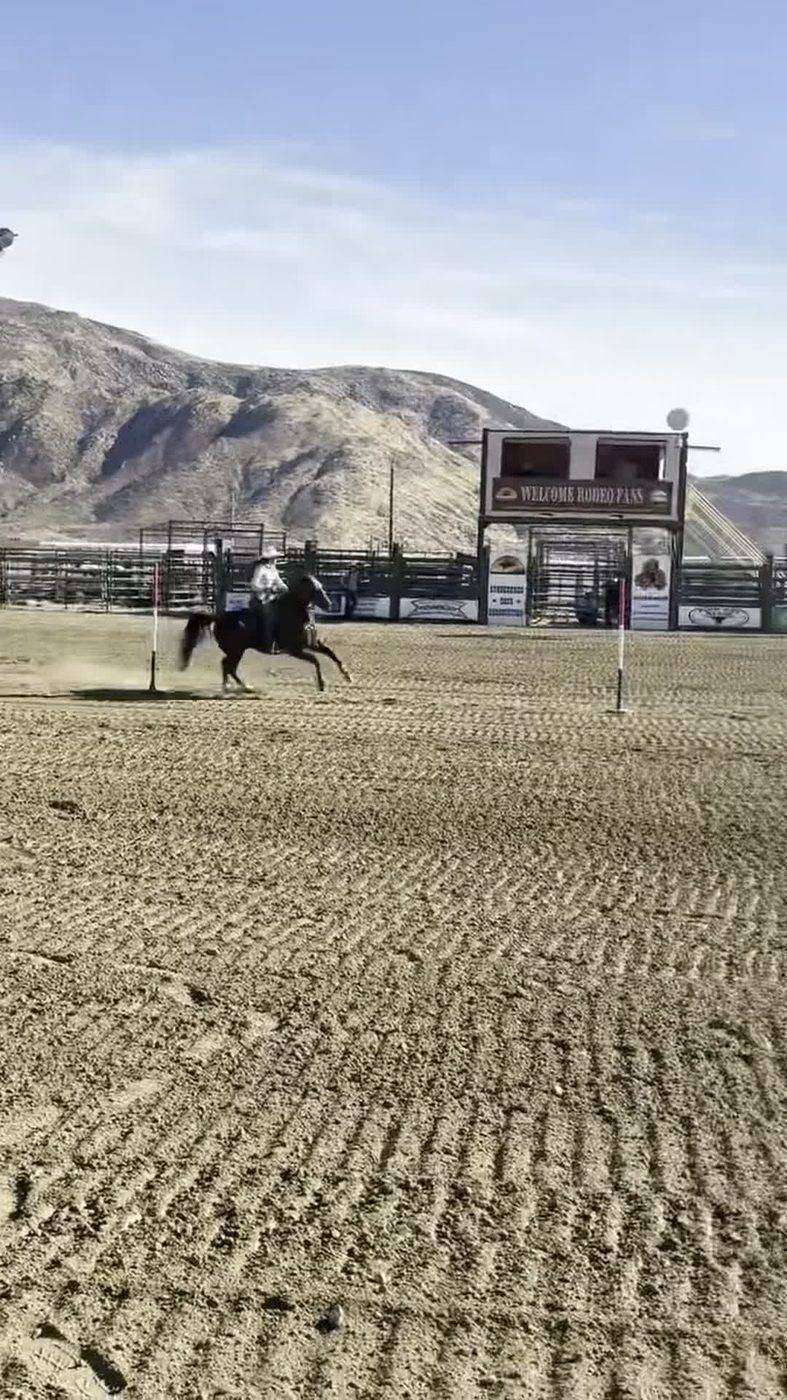
The standard pattern is three barrels set in a triangle, run as a cloverleaf. The rider crosses the timer line at speed, circles the first barrel (right or left — rider's choice), crosses to the second and turns it the opposite direction, runs to the far third barrel, turns it, and sprints home across the timer. The Women's Professional Rodeo Association standard sets 90 feet between the first two barrels and 105 feet from each of those to the third, with 60 feet from the first barrels to the scoreline — scaled down in smaller arenas. A winning run on a standard pattern lands in the teens of seconds, decided by hundredths.
Rules and Penalties
The rules are simple and unforgiving. Knocking over a barrel adds a five-second penalty under WPRA rules — an eternity in this sport. Breaking the pattern, missing a barrel, or going off course is a no-time: the run doesn't count. Touching a barrel to keep it upright is allowed and costs nothing. Runs must finish within the time limit, typically 60 seconds. Electronic timers start and stop the clock as the horse crosses the line, so the run is pure: one horse, one rider, one clock.
The Horse and the Training
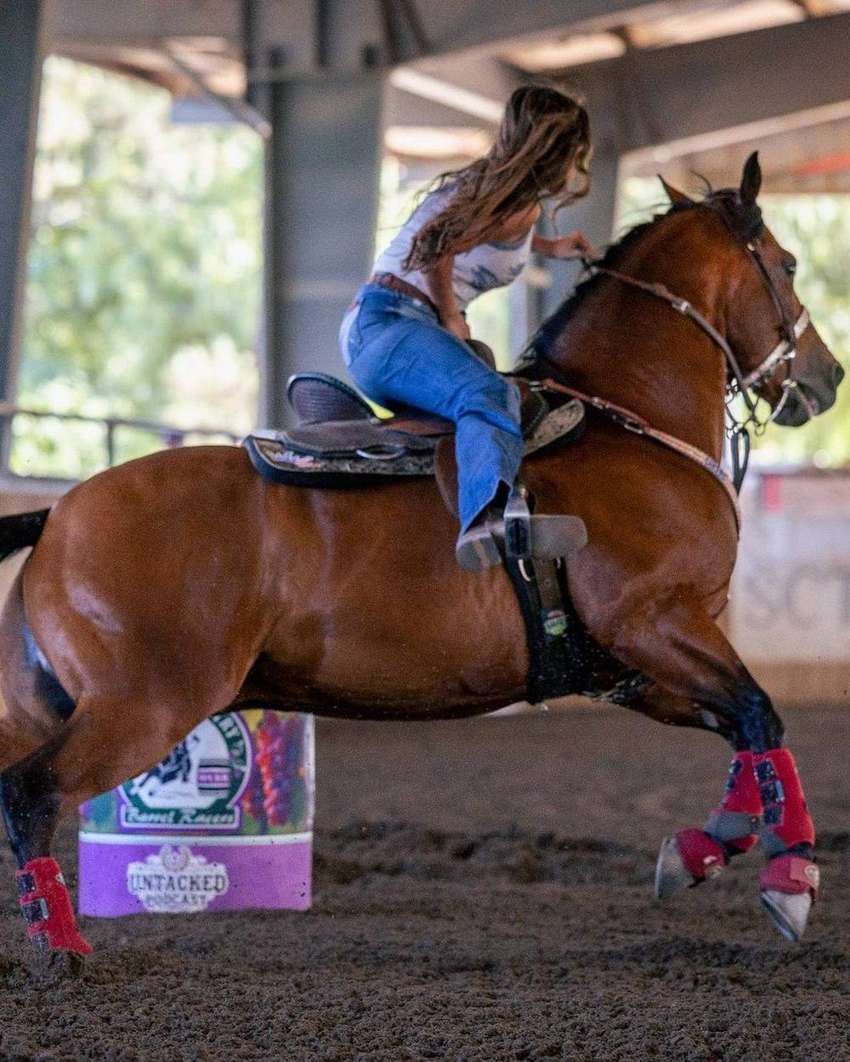
Great barrel horses are athletes with a specific skill set: explosive speed, a low balanced turn, rate — the ability to collect and prepare for the turn on cue — and the mental toughness to run the same pattern with fire every time. American Quarter Horses dominate the sport. Training builds the pattern slowly: walking and trotting the turns to teach correct body position before any speed is added. Good trainers protect the horse's confidence fiercely — a sour, pattern-anxious horse won't run its best. Conditioning, correct shoeing, and footing awareness are part of the program.
Getting Started
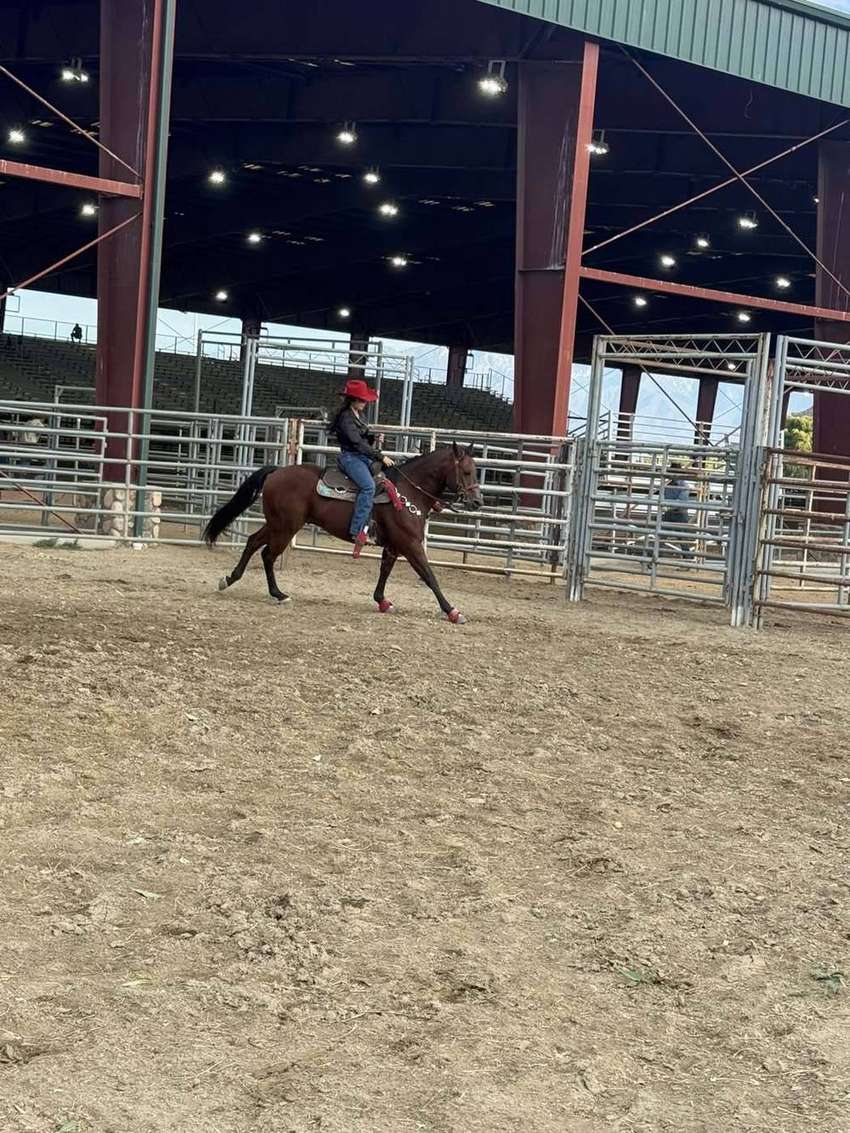
Newcomers usually start at local jackpots, playdays, or 4-H and youth association events, where the atmosphere is welcoming and the pattern is often scaled to the arena. A solid foundation of basic horsemanship comes first — control at speed is non-negotiable. Find a trainer who teaches the pattern correctly from the ground up, invest in safety gear, and learn to read ground conditions: good footing is everything in a sport built on hard turns at speed. Many riders start on a seasoned, forgiving horse while they learn the game.
Keep reading
From the ranch