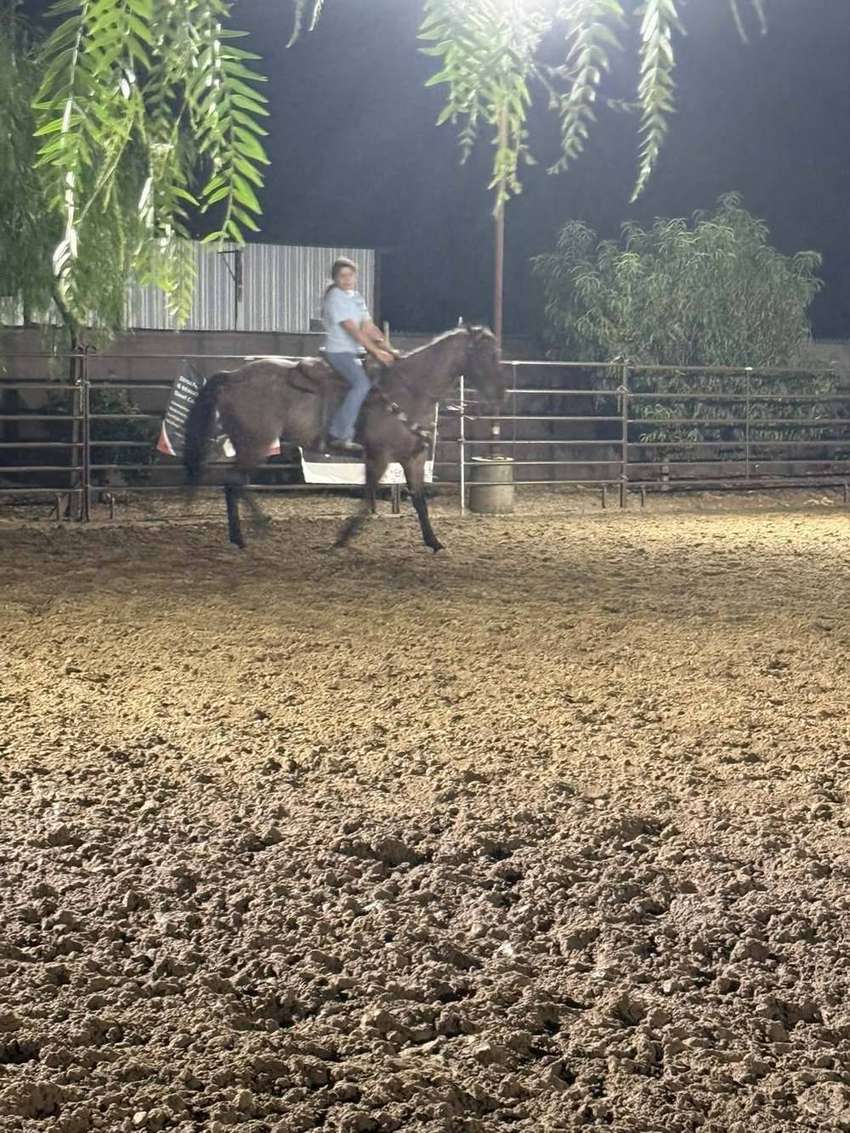
What Are Diagonals in Posting Trot?
Riding on the correct diagonal means rising out of the saddle as the horse’s outside front leg swings forward in the posting trot. It keeps you in rhythm with the horse and helps him stay balanced through turns. Checking and changing diagonals is a core skill every trotting rider learns.
What does “correct diagonal” actually mean?
In the trot, the horse’s legs move in diagonal pairs: the left front and right hind move together, then the right front and left hind. When you post — rising and sitting in rhythm — you are either rising as one diagonal pair moves forward or the other. The correct diagonal is rising as the outside front leg swings forward: when you are tracking right, you rise as the left front leg comes forward, and vice versa. Riding the correct diagonal matters because it keeps your weight off the horse’s back as the outside leg reaches under him, which helps him balance through turns and circles. On a straight line it matters less, which is why riders often hear “you are on the wrong diagonal” right as they change direction. It is not a rule for its own sake — it is about moving with the horse instead of against him.
How do I check which diagonal I am on?
Glance down at the horse’s outside shoulder — not your whole head, just your eyes. Watch the shoulder’s rhythm: it swings forward and back with each stride. You are on the correct diagonal when you are rising as that outside shoulder moves forward. Many beginners find this glance-down tricky at first because looking down unbalances them, so your instructor may start you by feeling it instead: the correct diagonal has a particular smoothness, and the wrong one can feel subtly off-balance, especially on a circle. Another way instructors teach it is to watch the rider from the ground and call out each time to sit two beats — you learn the feel of the switch. Do not stare at the shoulder for strides on end; a quick glance, then eyes back up. With practice, checking becomes a one-second habit you do every time you change direction.
How do I change diagonals?
To change diagonals, you sit one extra beat of the trot instead of rising — sit, sit, then rise. That skipped rise shifts your posting rhythm onto the other diagonal pair. It sounds simple, and the mechanics are, but doing it smoothly without bouncing or losing your rhythm takes practice. Your instructor will have you drill it deliberately: trot a circle, check your diagonal, change it, check again. Soon you will change diagonals automatically every time you change direction, the way experienced riders do without thinking. A common beginner mistake is changing diagonals by bouncing higher or rushing the rhythm — the change should be invisible, just one quiet extra sit. Another is changing when you did not need to, out of habit, without checking first. Always check, then change only if you are wrong. The habit you are building is awareness first, correction second.
Why do diagonals matter for the horse?
Posting on the correct diagonal is genuinely kinder to the horse. When you rise as the outside leg moves forward, your weight leaves the saddle exactly when that leg is reaching and the horse’s back is lifting — you are getting out of his way at the right moment. On the wrong diagonal, your sitting lands as the outside leg is working hardest, which can make the horse feel unbalanced or rushed, especially on circles. Horses ridden consistently on the correct diagonal tend to trot more freely and turn more willingly, because the rider’s weight is cooperating with their movement instead of interrupting it. This is also why instructors are strict about diagonals early: it trains you to feel the horse’s legs and rhythm, which is the beginning of real “feel” — the rider’s ability to sense what the horse’s body is doing. Diagonals are not just a test maneuver. They are your first step toward riding in true partnership with the horse’s movement.
Keep reading
From the ranch