How Do You Ask a Horse to Canter?
The canter is the first gait that feels like flying — here's how the transition works and how to ride it well.
What the Canter Is
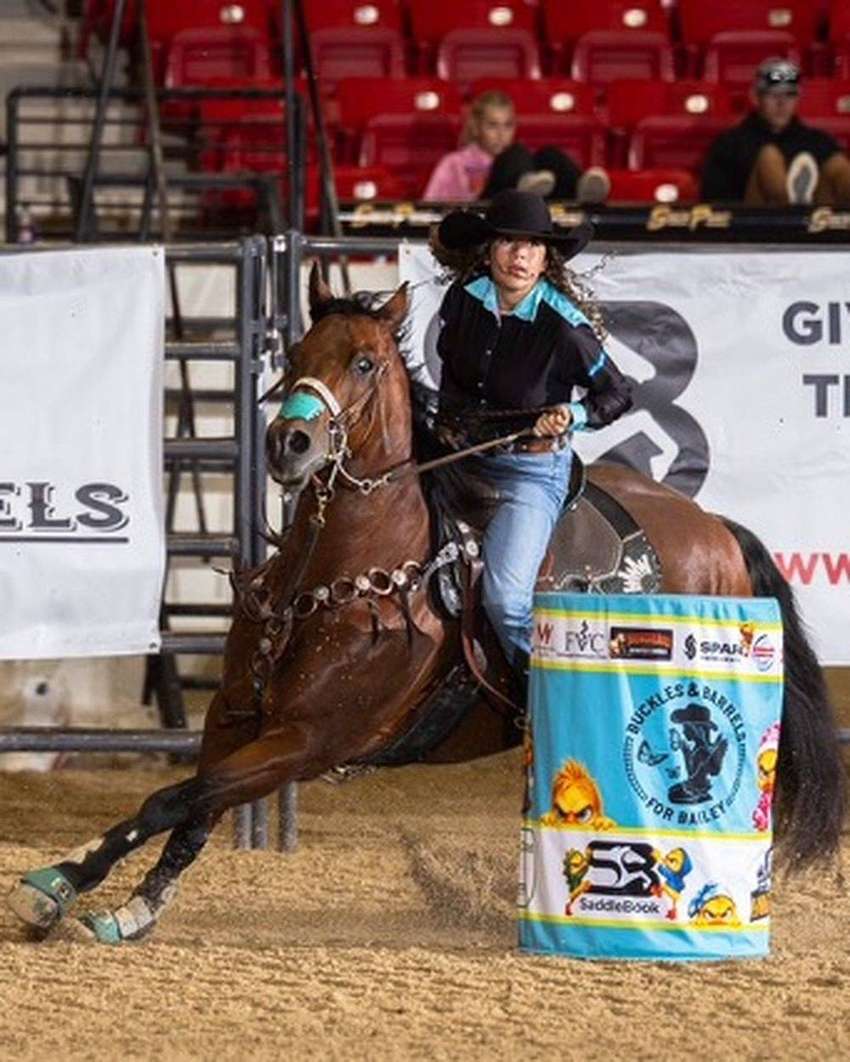
The canter is a three-beat gait with a moment of suspension — a rocking-horse rhythm that feels completely different from the trot's bounce. Horses canter on a lead, meaning one side's legs reach slightly further forward, and the correct lead keeps the horse balanced through turns. It's slower and more collected than the gallop, which is the canter's stretched-out, four-beat cousin. For most riders, the canter is where riding starts to feel like the dream that brought them to horses in the first place.
Setting Up the Transition
Good canter transitions start in the trot, not in the moment of asking. Establish a forward, balanced, rhythmic trot first — rushing or strung-out trot produces rushing, strung-out canter. A half-halt, which is just a brief rebalancing reminder through your seat and reins, gathers the horse's energy without shutting it down. Then the aid: inside bend, outside leg slightly back, and a clear, committed ask. Corners are your friend — asking as you come out of a corner naturally encourages the correct lead.
Riding the Canter
Once you're cantering, your job is to follow, not to drive. Let your hips rock with the motion — think of polishing the saddle with your seat — keep your hands quiet and following, and breathe. New canter riders tend to either perch stiffly or collapse forward; the middle path is a tall, soft upper body with an active, swinging seat. Look where you're going, not down at the horse — your eyes steer more than you think. A few relaxed circles beat a frantic lap of the arena every time.
Common Mistakes and How to Fix Them
The most common mistake is asking from a trot that's already falling apart — fix the trot first and the canter usually follows. Leaning forward and pulling on the reins is the rider's panic response; it hollows the horse's back and kills the gait you're asking for. Getting the wrong lead isn't a failure, it's information — come back to trot calmly and ask again with better setup. Work with an instructor on transitions; timing the aid is a feel thing that's hard to learn from words alone, and a good eye on the ground accelerates everything.
Keep reading
From the ranch