Quarter Horse Racing: The Basics
Quarter Horse racing is the sprint of the horse world — explosive races over straight tracks from 220 to 870 yards, crowned by the classic 440-yard quarter mile that named the breed.
Born on Colonial Quarter Paths
The sport is older than the breed's name: in colonial Virginia and the Carolinas, planters raced their sprinting horses down village main streets and cleared quarter-mile paths, and the horse that won those dashes — the Celebrated American Quarter Running Horse — became the American Quarter Horse. Organized racing formalized with the breed's registry in 1940, and the modern sport runs at dedicated tracks across North America and Mexico, from historic Ruidoso Downs in New Mexico to Los Alamitos in California.
Twenty Seconds at Full Stretch
Races run on a straightaway, not a turn: distances from 220 yards up to 870, most between 300 and 440. The classic 440 — the quarter mile itself — is covered in around twenty-one seconds by top horses leaving the gate at full speed almost immediately; a Quarter Horse's acceleration is its defining weapon, reaching race pace in a few strides. Futurities for two-year-olds and derbies for three-year-olds carry the sport's biggest purses, and its richest race, the All American Futurity at Ruidoso, has paid out at the top of the entire racing world.
Speed Index and the Clocker's Craft
Because straight tracks and conditions vary so much, the sport measures horses by speed index — a standardized figure comparing a horse's time for a distance against the fastest recorded standards — rather than by raw times alone. Breeding follows the numbers: racing Quarter Horses are bred from specialist sprint lines, with Thoroughbred crosses — the Appendix registry — long used to add scope to sprint blood. The horses themselves are compact and heavily muscled behind, built like the sprinters they are, a different athlete from their ranch and arena cousins of the same breed.
A Sport of Small Tracks and Big Barns
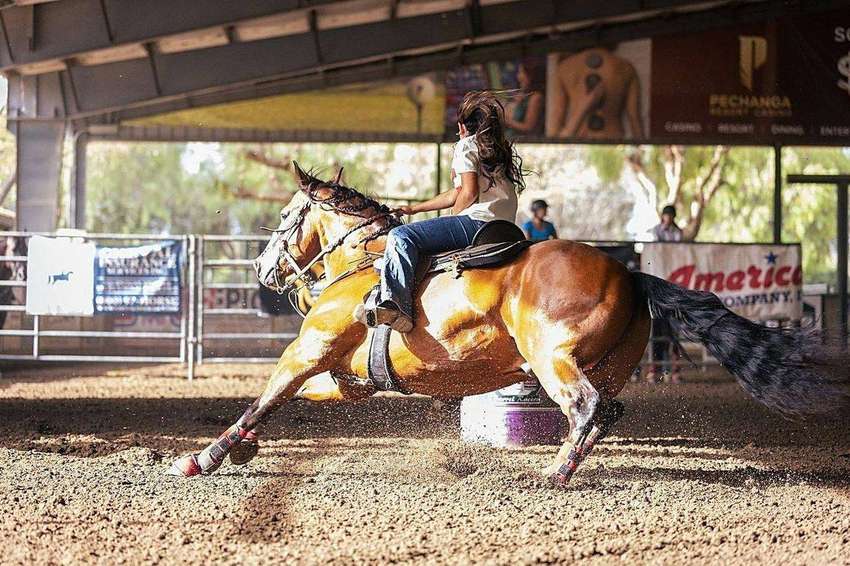
Quarter racing's culture is distinct from the Thoroughbred world's: a network of regional tracks, match races in its folk tradition, and family training operations feature as prominently as the big futurity stables. Racehorses commonly move on to second careers — the breed's versatility means a retired sprinter may become a barrel horse, a ranch horse, or a show horse, its gate speed converted to arena quickness. For the breed as a whole, racing is the ancestral sport: the quarter path came first, and everything else the Quarter Horse does was built on a sprinter.
Keep reading
From the ranch