The American Quarter Horse: The Ranch Horse America Grew Up With
If you have ever pictured the classic American ranch horse — steady, quick, and ready to work cattle — you were picturing a Quarter Horse. It is the most popular breed in the country, and for good reason: these horses do a little bit of everything, and they do it with a calm, willing attitude. Here is what a beginner should know before meeting one.
What the Quarter Horse Is Known For
The Quarter Horse earned its name by racing short distances — a quarter mile or less — and it remains one of the fastest horses on earth over a sprint. But speed is only part of the story. These horses were bred on working ranches, so they carry a deep instinct for cattle work: the famous "cow sense" that lets a horse read a calf and mirror its moves without being asked. They are typically compact and muscular, usually 14 to 16 hands tall, with a broad chest and powerful hindquarters. That build makes them balanced, agile, and sure-footed. They come in nearly every solid color, plus many patterns, so two Quarter Horses rarely look exactly alike. For a newcomer, the takeaway is simple: this is the all-purpose American horse, equally at home on a ranch, in an arena, or on a trail.
Temperament and Handling
Ask around any barn and you will hear the same thing: Quarter Horses are generally calm, sensible, and people-oriented. They tend to bond closely with their riders and forgive beginner mistakes, which is why so many lesson programs and family ranches choose them. That does not mean they are push-button — they are still thousand-pound animals with opinions — but their default setting is "let's get to work" rather than "let's panic." They usually learn quickly and enjoy having a job, so consistent groundwork and clear, quiet handling go a long way. A nervous or rushed handler can make any horse anxious, and Quarter Horses are no exception. Spend time on the ground first: leading, yielding, standing tied. The trust you build there carries straight into the saddle.
Disciplines That Suit the Breed
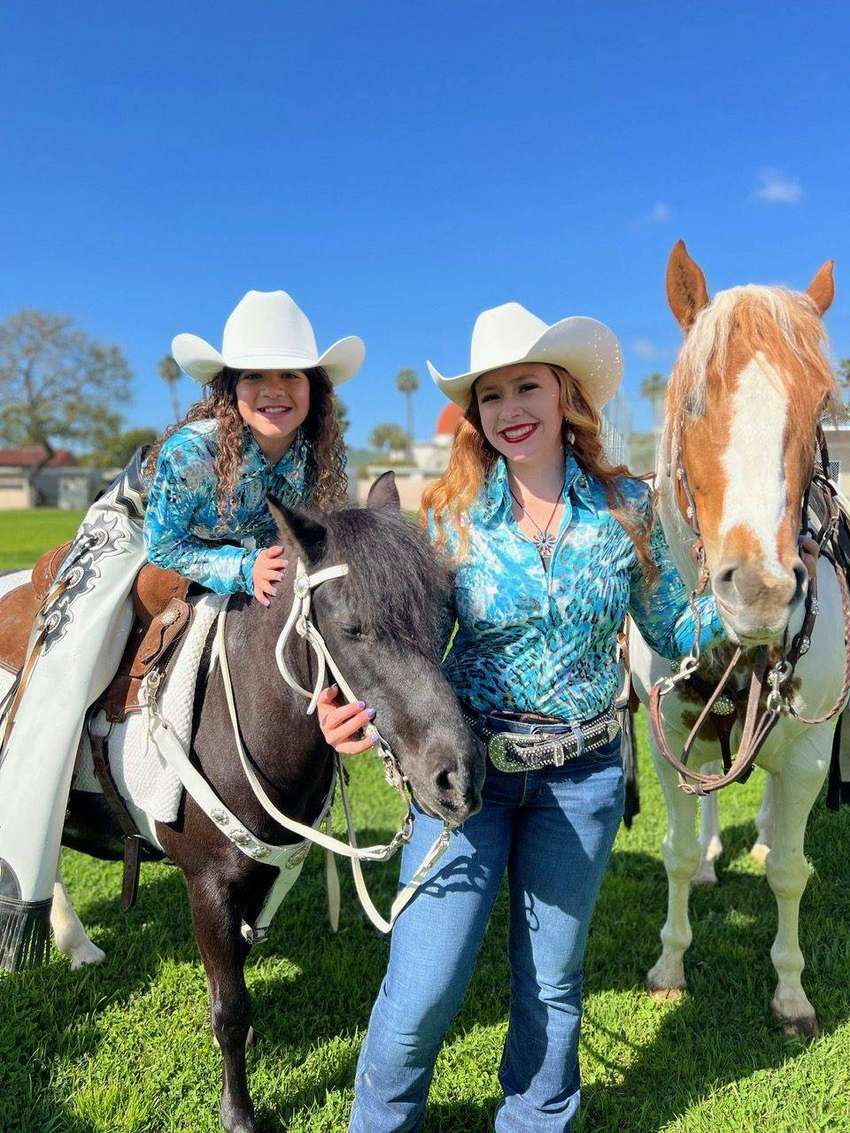
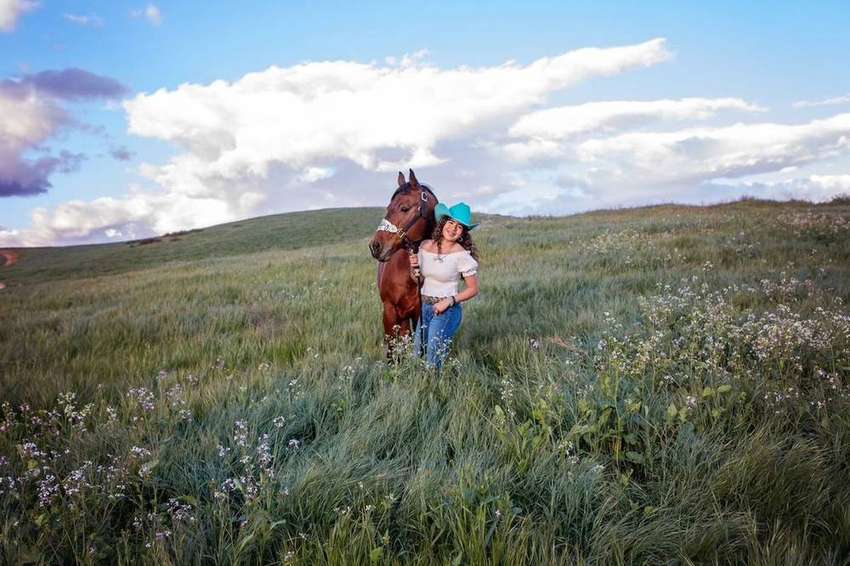
This is where the Quarter Horse truly shines: versatility. In western riding, they compete in barrel racing, pole bending, reining, cutting, roping, and ranch versatility — often excelling in several at once. Their sprint speed and quick turns make them natural barrel and pole horses, while their cow sense makes them standouts in cattle events. They also do well in English disciplines like hunter classes and dressage at the lower and middle levels, and many make excellent trail horses because they are steady and sure-footed. Here at the ranch, Samantha rides Quarter Horses — Skippy, Tecova, and Classy — in youth rodeo events like barrels, poles, and goat tying, and those horses show exactly what the breed is about: athletic, honest, and game for whatever the day asks.
What a Beginner Should Know
If you are shopping for your first horse, a Quarter Horse is one of the safest breed choices you can make — but breed is never a substitute for training and temperament. Look for an older, well-trained horse with a calm record around beginners, and have a knowledgeable mentor or instructor evaluate any prospect with you. Expect an easy keeper in most cases: many Quarter Horses stay healthy on good hay, appropriate grain, and regular hoof care. Like all horses, they need routine vet and dental care — talk to your veterinarian about a care schedule that fits your horse. Start with groundwork and short, positive rides, and resist the urge to rush into speed events. The Quarter Horse will be ready when you are, and the patient path is the one that lasts.
Keep reading
From the ranch