Mounted Patrol: Horses in Public Service
Mounted patrol units put trained horses and officers into parks, downtowns, and crowds — where a horse's height, calm, and approachability do work no vehicle can.
Why Cities Still Keep Horses
The mounted unit survives the motor age because a horse solves problems wheels cannot. An officer on horseback sits high enough to see over crowds and parked cars, moves through parks, alleys, and packed streets where a cruiser cannot go, and — police departments repeat this with complete sincerity — gets approached by the public constantly, because people talk to a horse. That community-policing value is now a stated mission of many units, alongside patrol, search support, and crowd management, where a line of calm horses can move a crowd by presence rather than force. Units range from large city stables with dozens of horses to small sheriff's posses and volunteer patrols in parks and wilderness trail systems.
The Horse: Calm Is the Qualification
Patrol horses are selected for temperament first and everything else second. The shopping list sounds simple — sound, sensible, mid-sized to large, unflappable — and eliminates most horses. Candidates then face sensory auditions that read like a haunted house for horses: sirens, flags, tarps, smoke, crowds pressing close, bicycles, fireworks recordings, objects tossed nearby. Breeds vary by unit; draft crosses are prized for size and steadiness, Quarter Horses for their numbers and minds, and many units adopt or accept donated horses that pass the same tests. A patrol horse is not brave because it notices nothing — it is brave because it notices everything and has learned, systematically, that its rider's calm is the correct response.
Training Officers and Horses Together
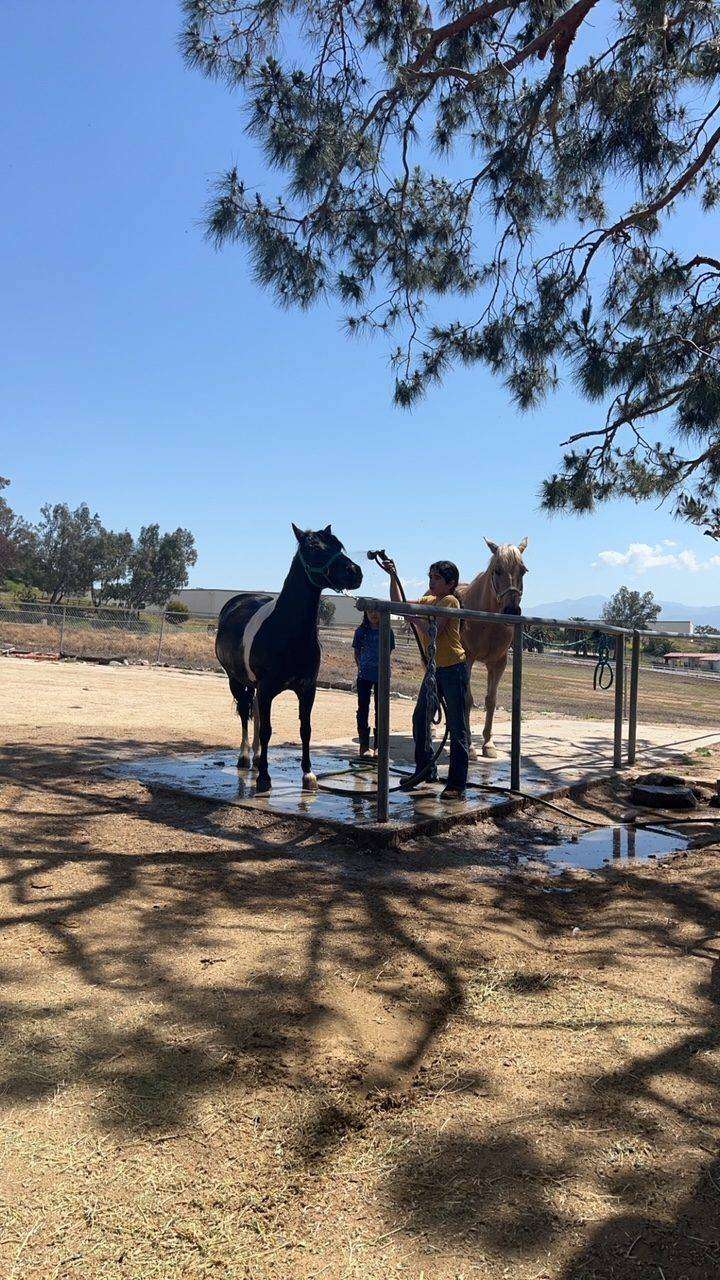
A patrol mount's education is desensitization done as a science: each stimulus introduced at a distance and intensity the horse can handle, rewarded for standing, and advanced only when the previous level is boring. Horses learn formations — riding shoulder to shoulder, turning as a wall, holding a line — and practical skills from gates and stairs to standing for hours at events. The officers train just as hard: mounted units typically run multi-week schools covering equitation, horse care, stable management, and patrol tactics, and the stable work is part of the job forever, not a phase. The bond that results is operational equipment as real as the radio — a horse that trusts its officer works better in the exact moments the public is watching.
Meeting a Mounted Patrol Horse
For the public, one rule covers every encounter: ask the officer before approaching, and approach at the shoulder where the horse can see you, never from directly behind. Officers generally welcome the interaction — it is, after all, half the mission — and many units host stable open houses and school visits precisely so the first meeting happens on a calm day. For horsemen, patrol work is worth respecting as a discipline of its own: no other job asks a horse to be simultaneously a vehicle, a vantage point, a crowd tool, and an ambassador. The horses that do it for a decade, ears up in the middle of a festival, are among the best-educated horses in the country, and their calm is a trained skill anyone's horse can learn from.
Keep reading
From the ranch