Parade Horses: What Makes a Horse Ready for Flags and Crowds
A parade horse walks calmly past marching bands, sirens, waving flags, and children lunging for candy. That steadiness is not an accident — it is selected, trained, and honestly assessed. Here is what goes into a horse that belongs on a parade route.
Temperament First, Training Second
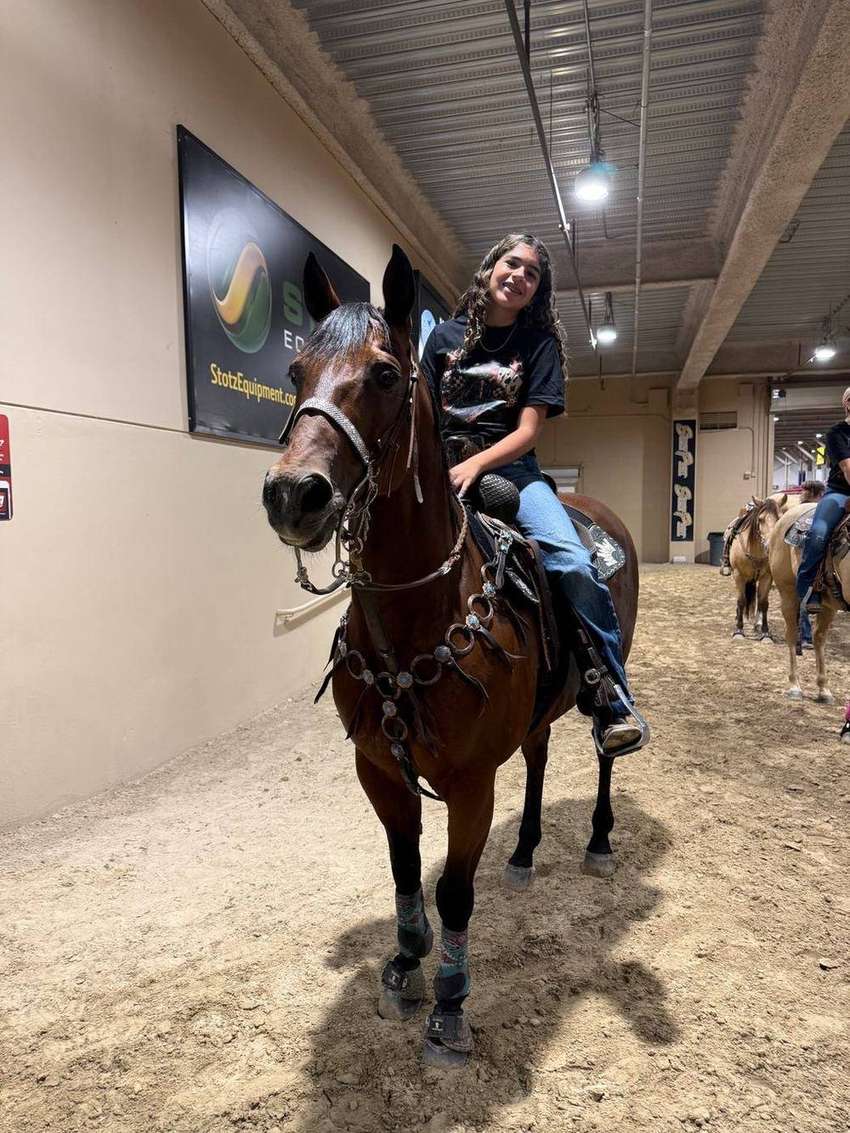
Parade work starts with the horse's basic outlook: the right candidate is curious rather than reactive, recovers in seconds from a startle instead of minutes, and enjoys people and activity. Training can polish those traits; it cannot manufacture them. Honest riders evaluate a prospective parade horse the way they would a children's mount — by watching it in genuinely new situations, not by hoping exposure on parade day will fix things. Horses that are herd-bound, traffic-worried, or sound-sensitive are happier in other jobs, and saying so early protects the horse, the rider, and the crowd. Many of the best parade horses are veterans of other work — ranch, show, or mounted patrol horses whose brains have already seen a busy world.
Preparation Looks Like a Parade, in Pieces
Training introduces parade elements one at a time, at home, long before the route: walking over tarps and past flapping flags, standing near recorded band music and then real drums, navigating crowds of familiar people, walking in company with other horses in formation, and carrying the actual tack, drapes, and decorations the horse will wear. Sessions stay short and successful; a horse that handles ten calm minutes is done for the day. Riders also practice the boring parts — standing still during long staging waits, walking slowly in close company, and ignoring dropped items underfoot. On parade day itself, an experienced, steady companion horse beside a greener one is worth more than any piece of equipment.
Day-Of Safety Rules
Parade safety is mostly decided before the first step. Tack is checked twice; costumes and drapes must not flap into legs, trail on the ground, or cover the horse's eyes and ears more than the horse has practiced with. Routes are walked with fresh eyes for hazards — slick pavement, storm drains, railroad tracks, tight turns — and horses wear appropriate hoof protection for asphalt, which is slippery for shod hooves and wearing for bare ones. Riders never hand items to or take items from spectators, keep spacing in the ranks, and have an exit plan: every parade rider should know how they would quietly leave the route if their horse unravels. Water, shade, and a patient wait at the trailer finish the job.
The Rider's Half
A parade rider is an ambassador on horseback — waving, smiling, representing their ranch, unit, or town — while doing a real job of riding. That means rehearsing one-handed riding and neck reining until they are automatic, keeping attention split between the crowd and the horse's ears, and knowing the difference between a horse enjoying the party and a horse politely holding itself together. After the parade, the honest review matters: what startled the horse, what tired it, what to practice next. Parades celebrate community like nothing else, and a well-prepared horse lets a rider be fully part of that — the flag overhead, the band behind, and a partner walking steady underneath it all.
Keep reading
From the ranch