Medal Classes: Equitation's Finals Pathway
Medal classes are hunt-seat equitation's championship pathway: classes judged entirely on the rider, run over testing courses with flat phases and judge's work-offs, qualifying riders through a season of points to national finals such as the Maclay and the USEF Medal.
Judged on the Rider Alone
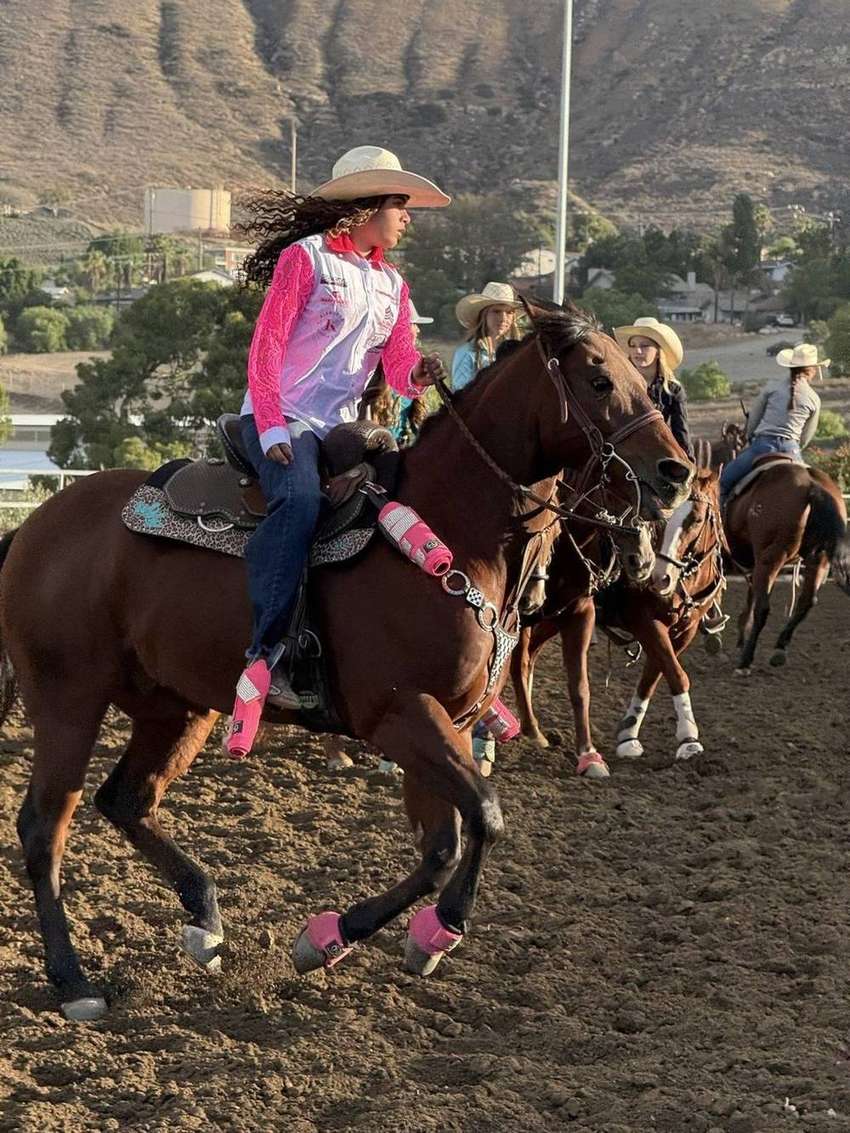
In a hunter class the horse is judged; in equitation the rider is. Medal classes are equitation's highest expression — named, by the sport's own account, for the actual medals awarded when the first of them began in the 1930s. The judge marks position, technique, and control: a rider who makes a difficult course look quiet and inevitable scores, while visible effort, lost position, or a horse bullied around the track does not. Because the horse is only the vehicle, medal riders are made, not mounted — the same rider must produce the same picture on course after course, all season long.
The Big Finals Everyone Names
Four championships anchor the American pathway. The ASPCA Maclay, dating to 1933, tests riders over fences and on the flat at the National Horse Show. The USEF Medal, begun in 1937, adds a formal work-off drawn from a published list of tests. The USEF Talent Search brings a jumper-style phase and an open water element, with separate East and West finals. The Washington International's equitation championship runs hunter and jumper phases. All are contested at about 3 feet 6 inches, and all are, for junior riders especially, the sport's most coveted ribbons — the results that trainers and college programmes read first.
Courses, Flat Phases, and the Work-Off
A medal course is a hunter course with the kindness removed: bending lines, roll-back turns, narrow fences, long approaches, and combinations chosen to ask questions. After the jumping phase, leading riders return for flat work — walk, trot, canter, sometimes without stirrups, sometimes with tests such as the hand gallop, a halt held for seconds, a rein-back, or a figure-eight with changes of lead. The work-off is the format's soul: judges may test the top riders further, swapping the order entirely, and composure under that examination is itself part of what is being judged. Riders qualify for finals by accumulating points in medal classes through the season, with smaller mini-medal and 3-foot medals serving as the pathway's lower rungs.
What Medal Riding Teaches
The medal system's gift to a rider is a standard: ride so correctly that a judge can find nothing to forgive. Its critics note, fairly, that it can reward a manufactured picture; its defenders answer that the work-off exposes manufacture within minutes. For readers of this library, medal classes pair with the hunter-seat equitation page as the two halves of one subject — the class that judges the rider, and the championship system that judges riders against each other, all year, until only the finalists are left standing in the ring.
Keep reading
From the ranch