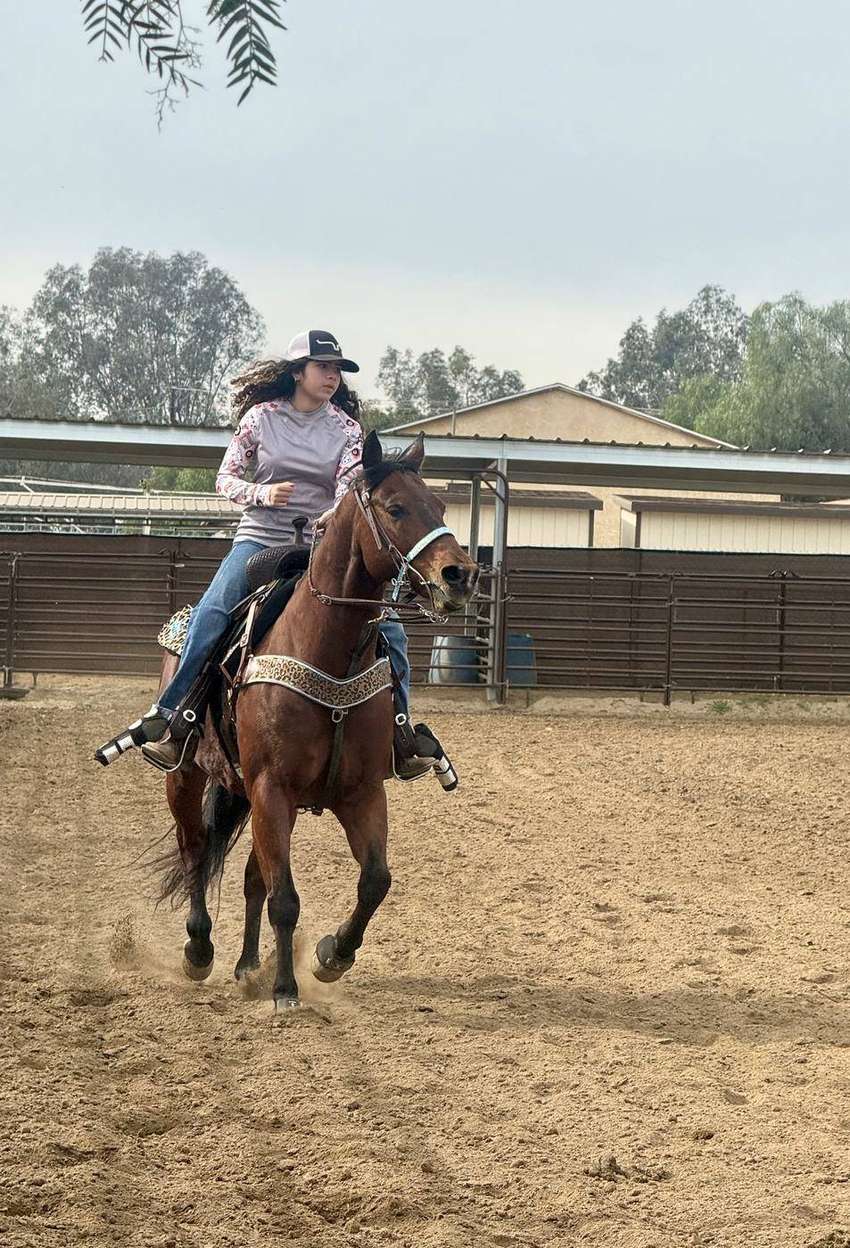
Hunter Seat Equitation: The Class That Judges the Rider
Hunter seat equitation flips the usual horse-show script: the horse is the equipment, and the rider — position, effectiveness, and quiet control — is what the judge is scoring.
Judged on the Rider, Not the Horse
In most classes the horse takes the ribbons; in equitation, the rider does. Hunter seat equitation grew out of the hunter tradition, where a rider may be mounted on an unfamiliar or borrowed horse and must still produce a smooth, correct round. Judges score the rider's position — heels down, leg steady at the girth, seat balanced, eyes up, hands following and quiet — and, more importantly, what that position produces: invisible aids, accurate tracks, good decisions at speed. A beautiful position that does nothing scores below an effective ride that happens to look effortless, which is rather the point.
Flat Work, Fences, and the Judge's Tests
Equitation divisions typically combine work on the flat — walk, trot, and canter, often including sitting trot, work without stirrups, and counter-canter or simple tests of control — with rounds over fences judged on the rider's track, pace, and position in the air. At the top of a class, judges may ask finalists for additional tests: a hand gallop to a fence, a halt after a jump, a trot fence, or a swap of horses in championship formats. The tests are not tricks; each one isolates a skill a genuinely educated rider should have on tap, on whatever horse is underneath them.
Position Is a Skill, Not a Look
The equitation position gets copied as a pose by beginners, which misses its function entirely. A leg anchored at the girth is a leg that can apply one clear aid; a seat balanced over the stirrup is a seat that stays with the horse's motion instead of bracing against it; eyes up and ahead are how a rider plans a line instead of reacting to it. Coaches build it with unglamorous volume: two-point work, no-stirrup lessons, gymnastics that punish a swinging leg, and flatwork that makes the seat independent of the reins. Riders who do the volume discover the secret — the posed look is just what effectiveness happens to photograph as.
Starting Down the Equitation Road
New riders enter through local and schooling shows, where equitation classes exist for every level from walk-trot upward. The best preparation is a coach who teaches equitation as horsemanship rather than choreography, school horses steady enough to let a rider work on themselves, and honest video — nothing builds a rider's eye like watching their own rounds. Fitness off the horse helps more than riders expect, especially core and hip flexibility. And because the class judges the partnership's smoothness, horse care is rider preparation too: a comfortable, well-kept horse with tack that fits lets the judge see the rider instead of the problems.
Keep reading
From the ranch