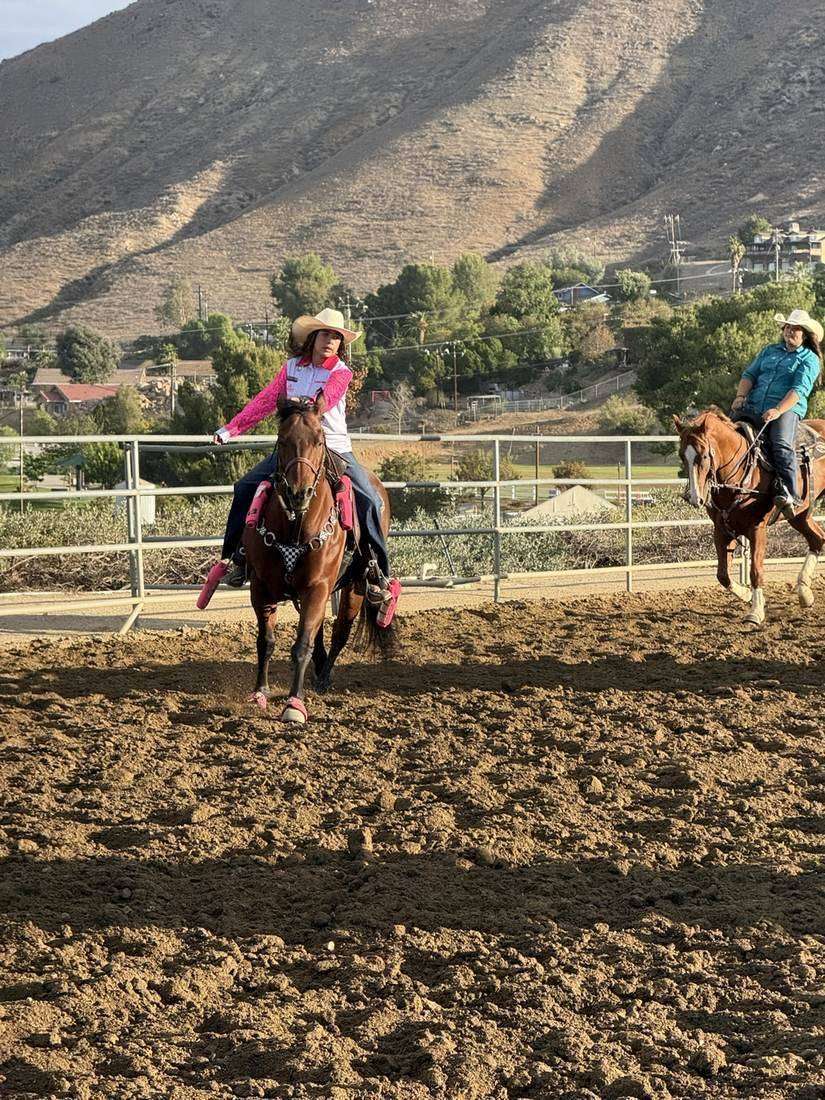
The Latvian Horse: Harness Horse Turned Sport Horse
The Latvian Horse began as a Baltic harness horse built with Oldenburg blood — its herd book dates to 1927 — and after recognition in 1952 it gradually transformed into a modern riding and sport horse.
Oldenburg Blood on Baltic Mares
Latvia's breeders set out in the early twentieth century to build a strong, versatile harness horse for farms and transport, crossing native mares with heavier European breeds. The single largest influence was the Oldenburg: more than one hundred Oldenburg stallions and mares were imported between 1920 and 1941, and their blood shaped the breed's size, movement, and character. A herd book was established in 1927 to record the developing population, and selection steadily favored a consistent, powerful type. The Latvian Horse was formally recognized as a breed in 1952, by which time it was the working harness horse of its country.
The Harness Type Comes First
For its first decades, the Latvian was predominantly a harness type: a substantial horse of roughly sixteen hands, with a strong back, powerful hindquarters, and the steady temperament that farm and carriage work demand. Bay, brown, black, and chestnut are the usual colors. This heavier type — sometimes described as the carriage or harness type within the breed — pulled plows, wagons, and carriages across Latvia and was also used in crossbreeding to add substance to other populations. Understanding this original type matters, because everything the modern Latvian became was selected from this harness foundation rather than created separately.
From Harness Horse to Sport Horse
Around 1960, as tractors replaced farm horses and equestrian sport grew, Latvian breeding pivoted. The harness type that had predominated until about 1960 gradually gave ground to a lighter riding and sport type, refined with Hanoverian, Arabian, Thoroughbred, and other warmblood influences. The result is a modern warmblood-style horse used in dressage, show jumping, and eventing, while retaining the breed's traditional soundness, good temperament, and easy keeping. Both types remain part of the breed's story: the harness horse explains its substance and calm, and the sport horse explains its current popularity across Europe.
Keeping a Latvian Horse Well
Management suits a sensible warmblood. Build the diet on forage, match concentrates to real work, and plan rations with your veterinarian — Latvians are traditionally good keepers, and a sport horse in light work gains weight quietly. Strong feet and legs still belong on a regular farrier and daily-check routine, and the powerful back deserves correctly fitted tack as work progresses. Latvians are valued for a calm, willing temperament, so varied work — schooling, hacking, and driving where trained — keeps both body and mind engaged. Give one consistent work and company, and it repays with the Baltic virtues: substance, steadiness, and athleticism in one horse.
Keep reading
From the ranch