Hannoverian Horse Explained: The German Warmblood Built for Every Arena
The Hannoverian is one of the oldest and most successful warmblood breeds in the world, and one of the most numerous. Developed in Lower Saxony, Germany, through centuries of rigorous selection, it is the all-around sport horse: strong in dressage, jumping, and eventing, with a temperament that has made it a favorite of amateurs and professionals alike. Here is what defines the breed.
From Celle to the world
The breed's story begins in 1735, when George II, King of England and Elector of Hanover, founded the State Stud at Celle to breed all-purpose horses for agriculture, harness, and cavalry. Local mares were refined over generations with Thoroughbred and other blood to produce a quality coach horse, and the first studbook appeared in 1888. After the world wars the breeding aim shifted decisively toward the riding and sport horse, and today the Hannoveraner Verband in Verden oversees inspections, stallion licensing, and performance testing that keep the breed at the top of international sport.
The long-lined sport horse
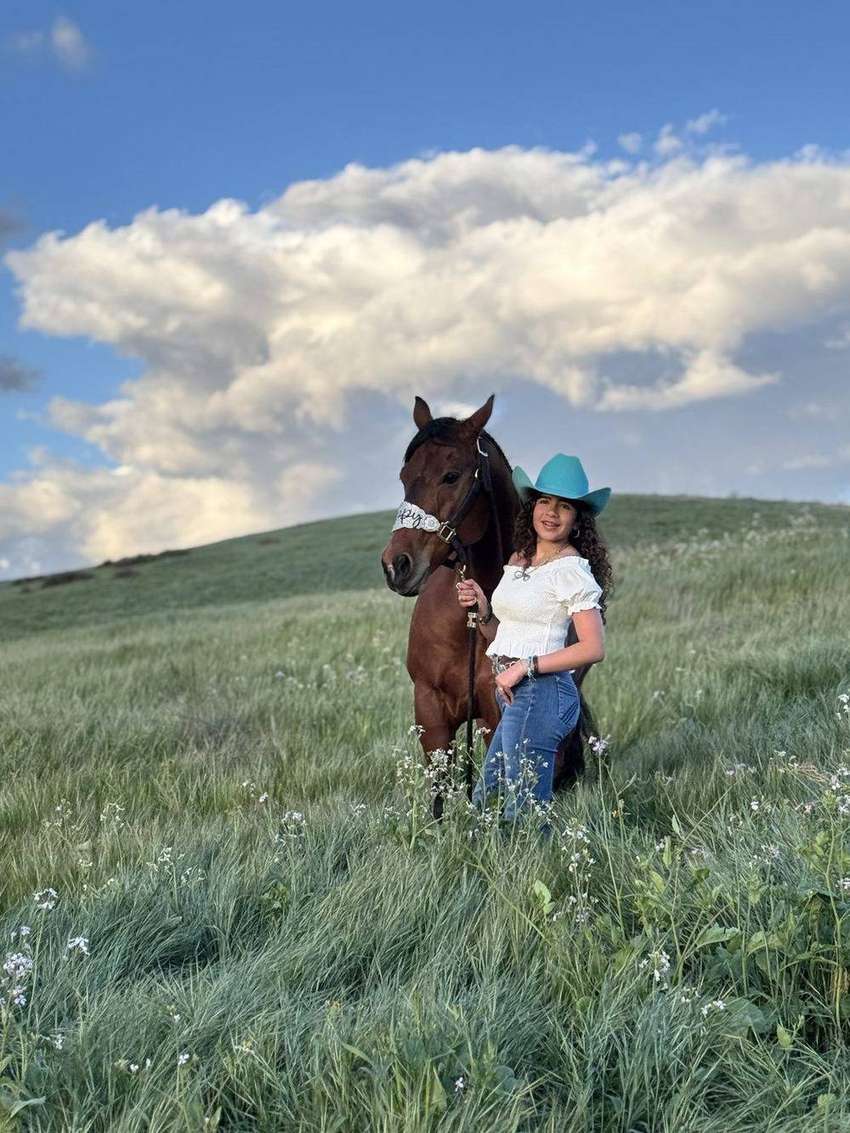
Hannoverians average about 16.2 hands, typically ranging from 15.3 to 17.2, with a rectangular, long-lined frame, a noble head, a long arched neck, a sloping shoulder, and strong hindquarters. Bay, chestnut, black, and gray are the common colors. Their gaits are a hallmark: a ground-covering walk, a floating trot with cadence and elasticity, and an uphill, well-rounded canter. Everything about the conformation is built for athletic function, which is why the breed produces horses that stay sound and competitive deep into their careers.
A temperament people trust
The breed is known for being intelligent, willing, calm, and alert, with a friendly nature that has made well-trained Hannoverians good choices for developing riders. They are spirited enough to compete yet level-headed enough to handle busy show environments. That combination, athletic and sensible, explains the breed's huge amateur following. They compete at the top of dressage, show jumping, and eventing, and also work as hunters, driving horses, and general riding horses. As always, buy the individual, not just the brand, and look for solid training.
Keeping a Hannoverian sound
Like any large sport horse, the Hannoverian needs consistent farrier care, since sound feet underpin everything the breed is bred to do. Feed to condition and workload, watch weight, and keep up with routine dental and vaccination care, working with your veterinarian on any health decisions. Give the horse turnout and variety in its work; even a willing horse gets stale without it. If you are shopping, bring a trainer, study bloodlines, and remember that the best Hannoverians are the product of both good breeding and good horsemanship.
Keep reading
From the ranch