Ice and Snow Safety for Horses: Winter footing and Care
Ice is winter's main horse hazard — in gateways, at water troughs, and under snow-hidden ground. Traction, water access, and honest workload choices prevent most trouble.
The Dangerous Ground Is the Familiar Ground
Winter injuries rarely happen on dramatic terrain. They happen where horses walk every day: the gateway polished to ice by traffic and refrozen meltwater, the slick apron around the water trough, the yard between barn and paddock, the invisible ice sheet under fresh snow on a slope. Horses are surprisingly capable on snow itself — it gives footing — and surprisingly helpless on smooth ice, where a half-ton animal on four small hooves has no purchase and a fall can mean fractures or a horse cast against a fence. Winter management is therefore mostly ice management, aimed at a short list of known places.
Traction: Shoes, Studs, and Managed Surfaces
Shod horses on ice are the worst combination — steel on ice slides freely — so winter shoeing is a decision to make with your farrier before the season: many horses do best pulled barefoot for winter turnout, while horses that must work get traction devices such as borium or studs, each with trade-offs in how the foot lands and grips that your farrier and veterinarian can weigh for your horse. On the ground itself, the tools are humble: sand or fine grit spread on icy paths and gateways (kept out of feed areas), snow cleared before it compacts to ice, meltwater diverted so it does not sheet across walkways, and known ice zones simply fenced off until thaw.
Water, Feed, and the Cold Horse's Budget
Cold weather raises a horse's energy needs while freezing its water supply — the two facts that define winter feeding. Frozen or near-freezing water is the quiet crisis: horses drink less icy water, eat less dry hay in consequence, and impaction colic risk climbs, so trough heaters, regular ice-breaking, and checks that water is actually liquid are colic prevention, not chores. Forage is the horse's internal furnace — digestion of hay generates real heat — so extra hay, fed ahead of a cold snap rather than after it, does more for warmth than extra grain. Blanketing, shelter from wind, and workload decisions round out the budget for each individual horse.
Riding and Working in Winter, Honestly
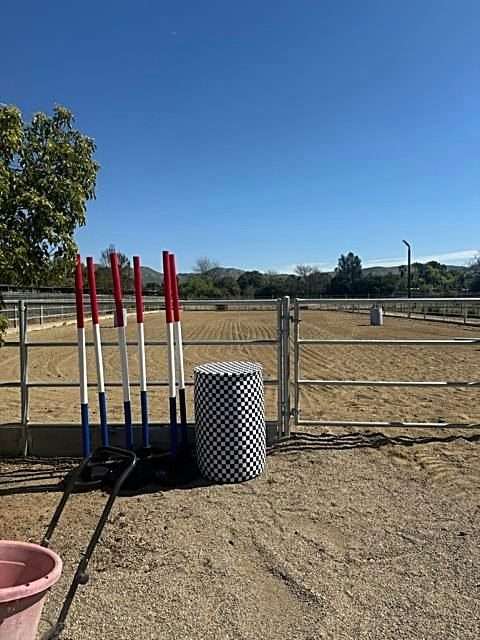
Winter riding is a judgment call renewed daily. Deep or crusted snow strains tendons and hides holes and ice; frozen, rutted arena footing jars joints; a horse worked hard in bitter cold breathes hard in air its airways would rather it didn't, and cooling a hot, hairy horse afterward is its own project. Sensible winter programs shorten sessions, prize walking work and turnout, skip the days when footing is truly bad, and let fitness taper rather than forcing summer work on January ground. The season always ends. The goal is a horse — and a rider — who reach spring sound, which is won mostly by the days you wisely did less.
Keep reading
From the ranch