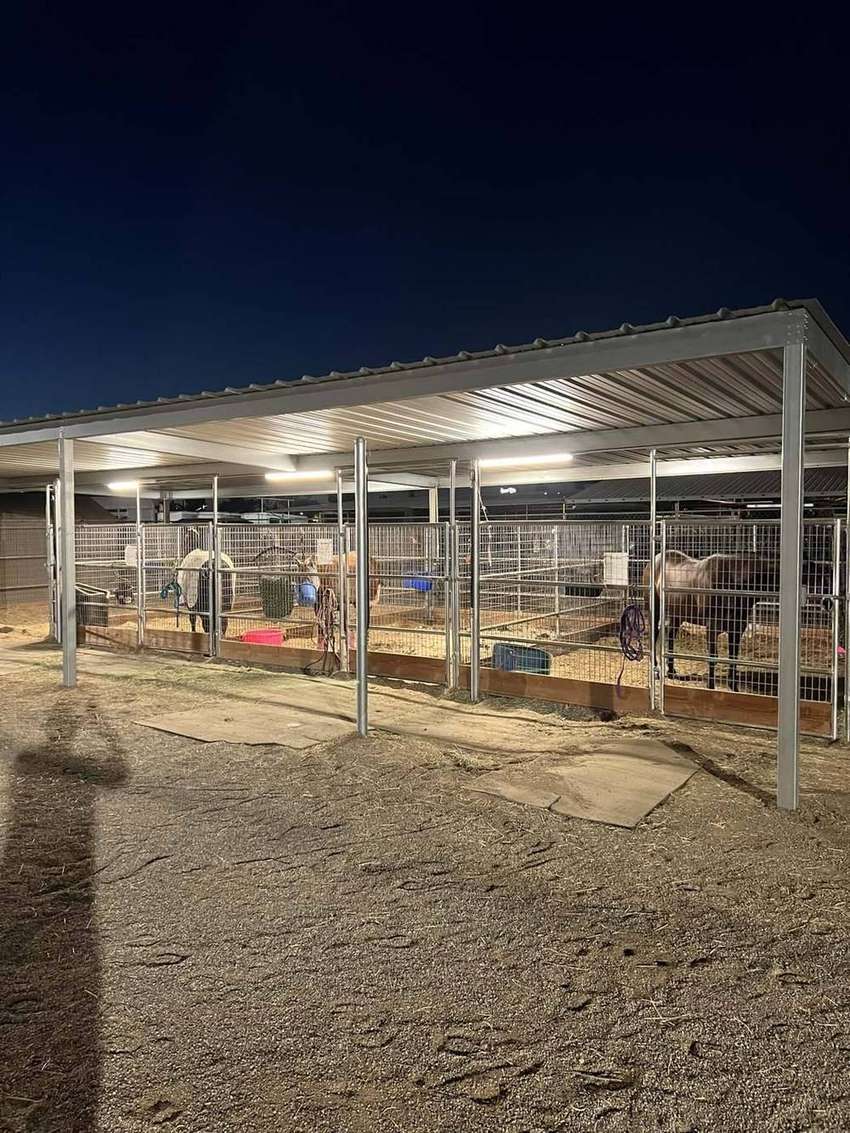
Blanketing Basics: When, What, and How
Blankets are one of the most argued-over topics at any barn. Here's the calm version: when horses actually need one, how to read the options, and how to avoid the classic mistakes.
Does your horse even need one?
Start with a surprise: a healthy, unclipped horse with shelter and good hay handles cold weather remarkably well — its coat fluffs up into natural insulation that works better than most blankets. Blankets earn their place for clipped horses (no natural coat left), seniors and hard keepers that burn calories staying warm, horses without windbreaks or shelter, and any horse that's wet and cold at the same time. Wind and rain strip heat far faster than dry cold air, so a 40-degree rainy night can chill a horse worse than a dry 25-degree one. Judge the situation, not just the thermometer.
Reading the options
Blankets are sold by weight, measured in grams of fill: sheets (no fill) for wind and light rain, lightweights around 100 grams, mediums around 200–250, and heavies at 300–400 plus. General temperature guidance you'll see posted in tack rooms runs roughly like this for unclipped horses: a sheet for cool rain, light fill as it drops toward freezing, medium for the 20s and 30s, heavy for single digits and below — and everything shifts warmer for clipped horses. These are starting points, not prescriptions: body condition, wind, wet, and the individual horse all move the needle. When in doubt, most barns would rather see a horse a touch cool than sweating under too much blanket.
Fit and daily checks
A bad-fitting blanket is worse than none — it rubs shoulders and withers raw. The blanket should cover from withers to tail without pulling, leg arches should sit forward of the hind legs, and straps should be snug but not tight (you should fit a hand under them). Then comes the part people skip: check under the blanket every day. Feel for sweat (too warm), check for rubs, and make sure it hasn't shifted sideways. The old 3-S rule still works: if the horse is shivering, soaking wet, or sweating under its clothes, something needs to change right now.
The classic mistakes
Never blanket a wet horse unless the blanket is specifically designed to wick — trapping moisture against the skin chills worse than no blanket at all. Never put a rain sheet on an unclipped horse in real cold: the sheet flattens the coat's natural loft and destroys its insulation. Don't over-blanket 'to be safe' — a sweating horse under a heavy blanket will chill hard when the sweat cools. And introduce blankets thoughtfully: let the horse sniff the new crunchy thing before you throw it over its back, especially with young or nervous horses.
Keep reading
From the ranch