Electrolytes for Horses: When They Help and When to Ask Your Vet
Sweat costs horses more than water — it carries away the salts their muscles and nerves run on. Here's when electrolytes make sense and when they're not the answer.
What Electrolytes Do
Electrolytes are minerals — mainly sodium, potassium, and chloride, plus smaller amounts of calcium and magnesium — that carry electrical charges in body fluids. They're essential for muscle contraction, nerve signals, hydration balance, and the thirst response itself. A horse in hard work on a hot day can lose staggering amounts of these salts in sweat; plain water alone doesn't replace them. Depleted electrolytes can mean fatigue, poor recovery, muscle cramps, and — critically — a blunted thirst drive, so the horse doesn't drink enough to catch up.
When Supplementation Makes Sense
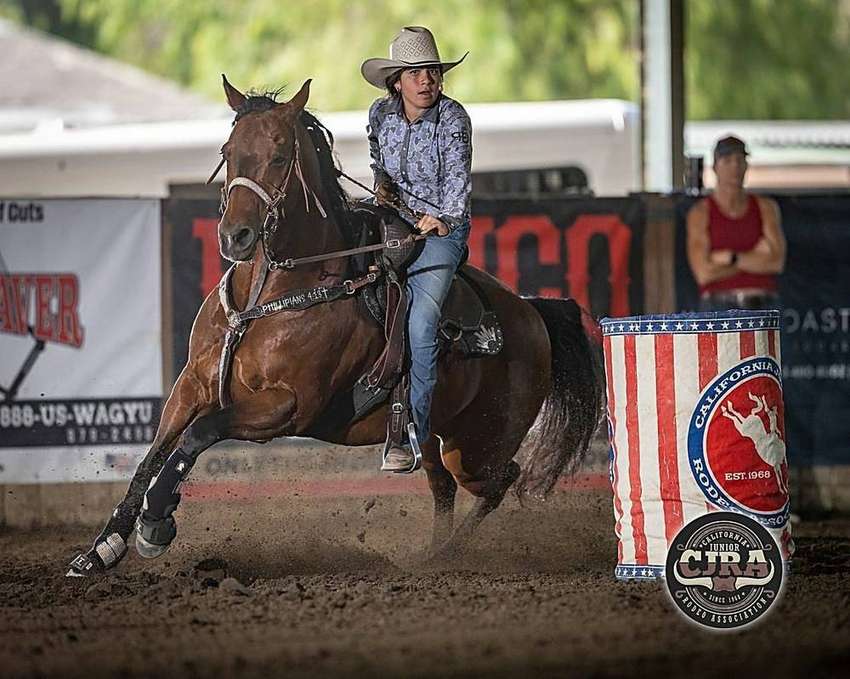
The classic case is the horse working hard in heat: long trail rides, schooling in summer, hauling to shows, or any sustained sweating. Endurance riders and eventers plan electrolytes like they plan water stops. Horses traveling long distances also benefit, since hauling stress and unfamiliar water often mean they drink less. The key question is always: is this horse sweating significantly, or under unusual stress? A pasture pet on a mild day doesn't need supplementation — good forage, a salt block, and fresh water cover the baseline.
How to Give Them — and Mistakes to Avoid
Electrolytes come as pastes, powders mixed into water or feed, and some are formulated for top-dressing. Always offer plain fresh water alongside — never make electrolytes the only water source, since a horse that won't drink the salty water then gets no water at all. Don't oversupplement: too much salt without enough water can cause its own problems. Follow the product's dosing for the horse's size and workload, and for horses with kidney issues, heart conditions, or on medications, check with your veterinarian first.
The Bigger Hydration Picture
Electrolytes are one tool in a larger hydration strategy. The foundations matter more: unlimited fresh, clean water; free-choice salt (block or loose); feeding before and after work appropriately; cooling out properly with walking and water; and knowing your horse's normal drinking habits so you notice when they change. After hard work, offer water first, then electrolytes with more water available. This is information only — if a horse is dehydrated, tying up, or not recovering normally, consult your veterinarian rather than reaching for another tube.
Keep reading
From the ranch