Horses in the Heat
Shade, water, and rest — how horses handle hot weather, and what good barns do about it.
How horses cool down
Horses sweat — a lot — and that is their air conditioning. A horse that stops sweating on a hot day is in trouble; a horse lathered white between the legs is working hard to cool off.
Water and electrolytes
Heat means more water, offered often. Working horses in summer may need electrolytes to replace what sweat takes. Salt blocks and fresh troughs are summer staples.
Timing the work
Smart barns work horses early morning or evening in summer and rest them in the midday heat. Shade, fans, and hosing off are not luxuries — they are the schedule.
Signs of trouble
Rapid breathing that will not slow, a dry coat on a hot day, stumbling or dullness — these mean stop, cool, and call for help. Heat illness in horses is serious and fast.
Cooling the barn itself
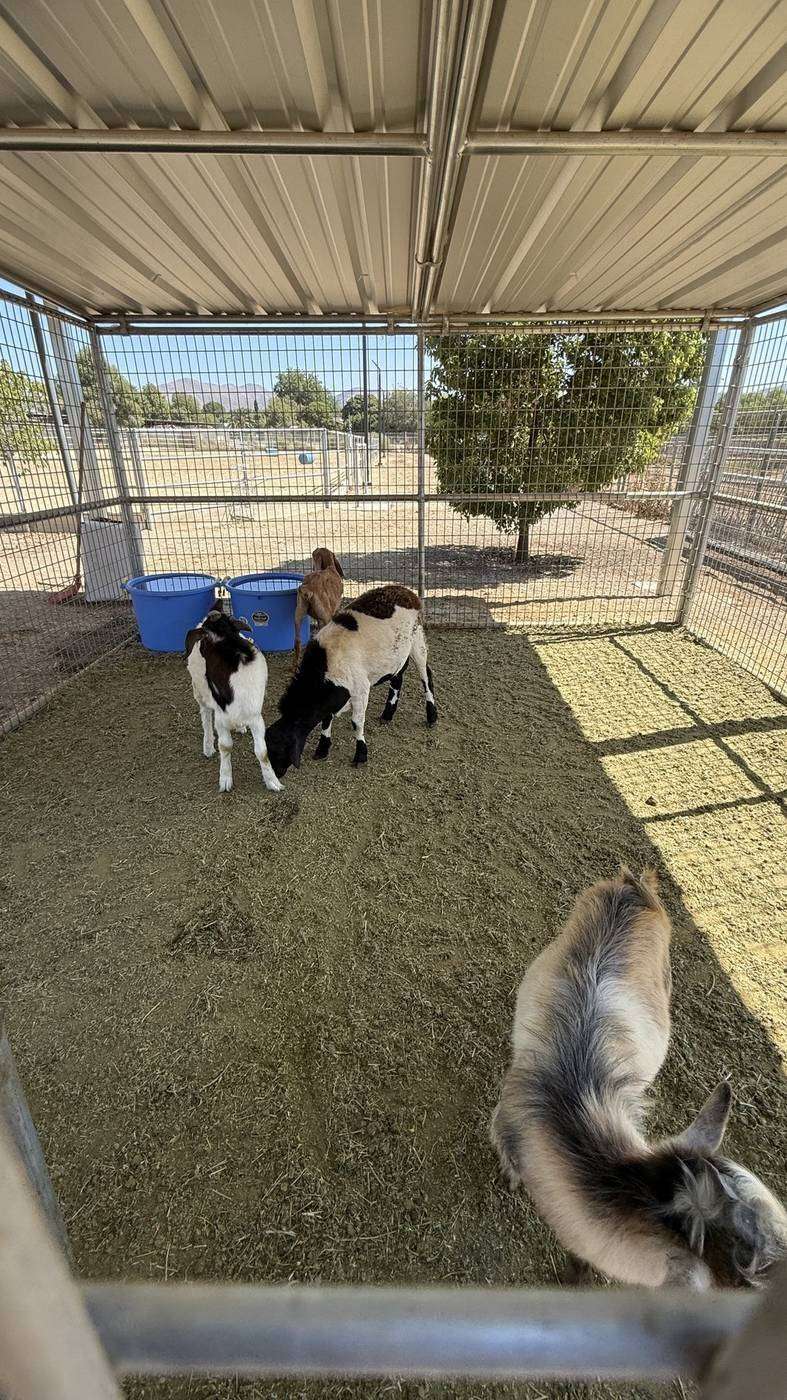
Keeping horses comfortable in heat starts with the building, not the horse. Airflow is everything: barns with open ends and high roofs stay degrees cooler than closed boxes, and a simple box fan — mounted high, cords secured, motor kept clean — moves enough air to matter. Shade structures over pens beat a dark stall at midday, since horses cool better standing in moving air than in still heat. Water placement counts too: troughs in the shade stay cooler and cleaner, and horses drink more from water that does not taste like a hot hose. Flies multiply the misery, so manure gets picked up daily and fans double as fly deterrents. None of this is fancy equipment. It is the unglamorous infrastructure of summer horse care — and the difference between a barn that endures August and one that dreads it. And when in doubt, the hose is your friend: cool water on the legs and neck brings a hot horse down faster than standing and worrying.
Keep reading
From the ranch