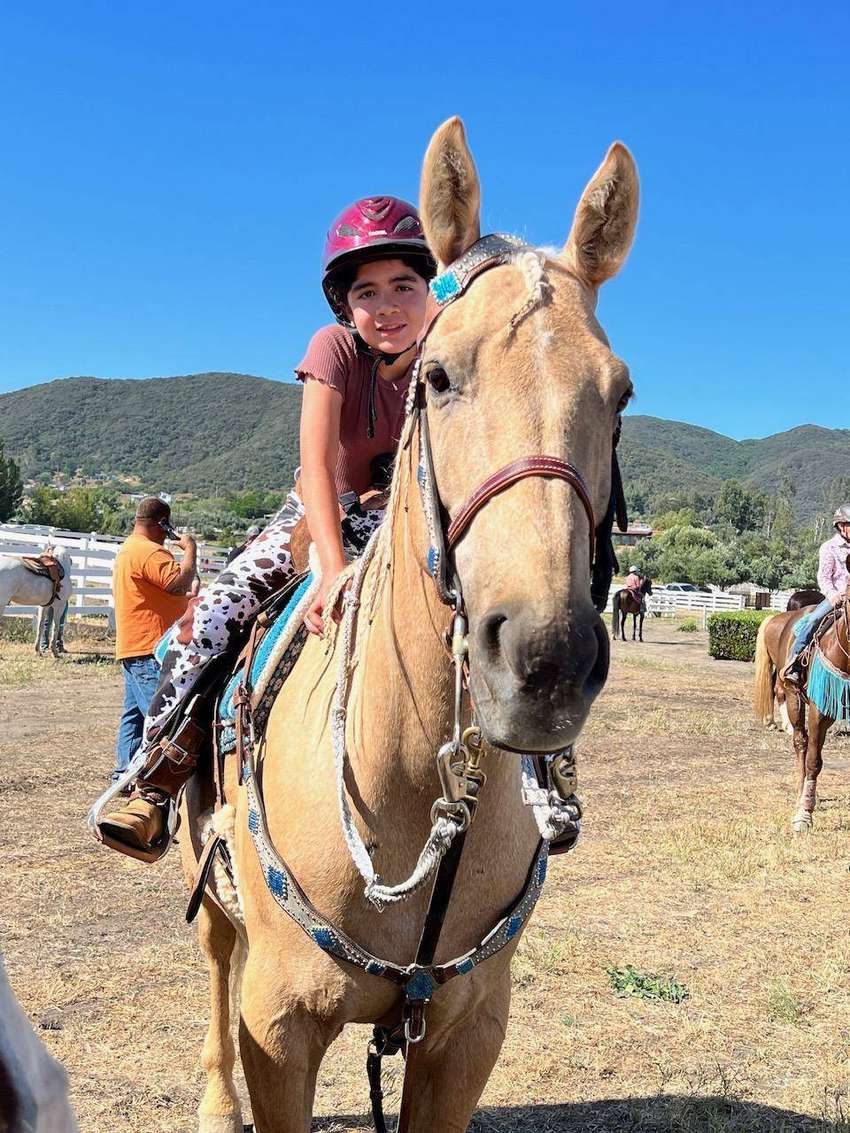
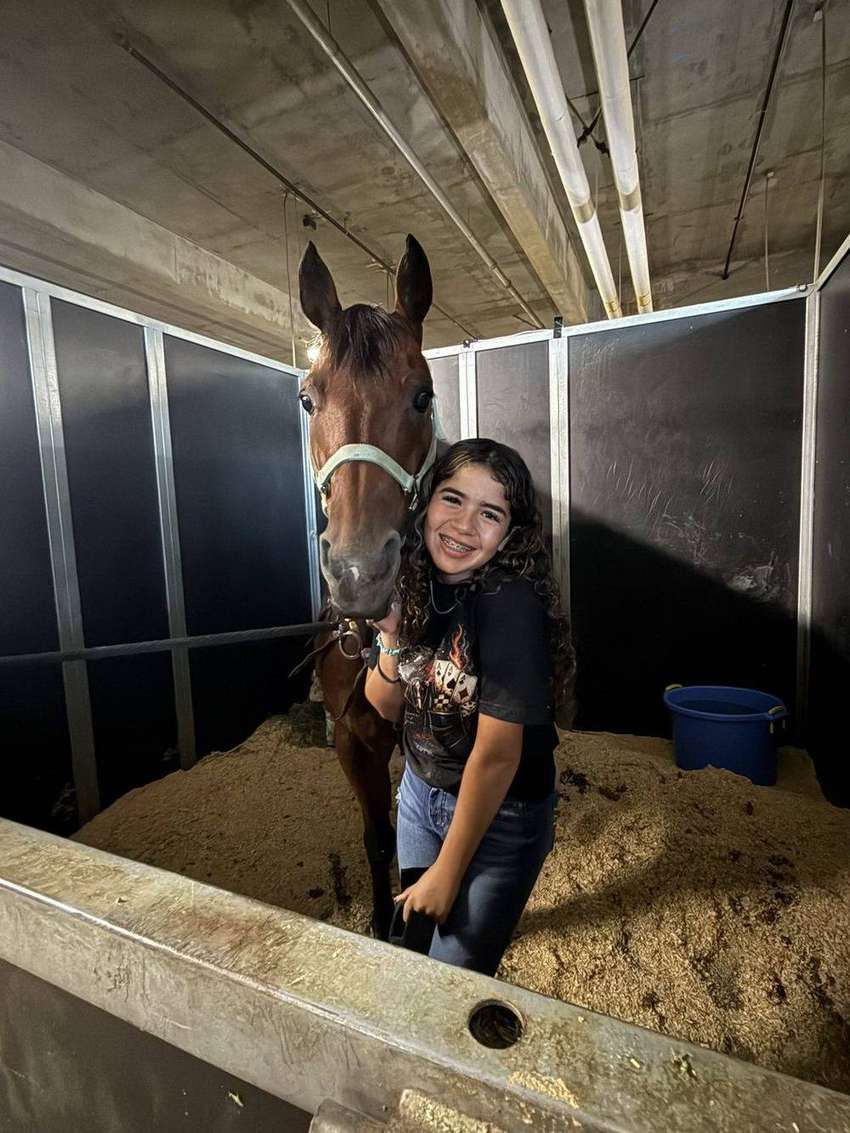
Hand-Walking Your Horse: More Than Just Exercise
Leading a horse at a walk sounds too simple to matter — until a vet prescribes it as rehab, or a nervous horse needs miles of calm handling. Done with intention, hand-walking builds fitness, manners, and trust. Here is how to make the minutes count.
When Hand-Walking Matters Most
Veterinarians prescribe hand-walking as the bridge between stall rest and turnout: controlled, low-impact movement that encourages circulation and healing without the explosions of free turnout. It is also the default exercise for horses coming back from layups, for young horses learning the world, and for any horse that needs miles without a rider's weight. Treat prescribed hand-walking like medication — the right dose, on schedule, exactly as directed — because in rehab, it is.
Gear and Safety
Hand-walk in a bridle or a halter with a chain shank over the nose for control; a plain halter on a fresh horse is asking for a loose horse. Wear gloves and solid boots, keep the horse's head at your shoulder (never let it crowd past you), and carry a dressage whip as an extension of your arm, not a punishment. Choose your route deliberately: quiet barn aisles, the arena at off-hours, or a familiar path away from feeding-time excitement. A horse that is too dangerous to hand-walk safely needs a conversation with your vet, not a braver handler.
Making It Training, Not Just Walking
Every hand-walk is a groundwork session in disguise. Ask for crisp walk-halt-walk transitions, practice standing quietly, walk over poles or tarps if the horse is ready, and reward the try the instant it happens. Keep sessions purposeful but fair — fifteen focused minutes beat an hour of dragging a bored horse in circles. For rehab horses, log the time and distance so you can report accurately to your vet; progress you can measure is progress you can trust.
Reading Your Horse on the Line
Hand-walking puts you close enough to notice everything: the stride that shortens on the third lap, the head that bobs at the trot-up, the energy that says today's session should be shorter. Report changes to your vet promptly — in rehab, you are the monitoring equipment. And notice the good stuff too: the horse that walks out calmer each day, the eye that softens, the partnership that deepens when the work is quiet. Some of the best horsemanship happens at three miles an hour.
Keep reading
From the ranch