Lead Ropes, Flags, and Cones: Groundwork Tools Explained
Every tool in the groundwork kit has a job — here's what each one does and how it's meant to be used.
Lead Ropes and Halters
The lead rope is your primary line of communication, not just a leash. Longer, heavier ropes give clearer signals and more feel than short, light ones, which is why groundwork folks favor them. The golden safety rule: never wrap a lead rope around your hand — if the horse spooks, a wrapped hand gets injured. Hold the rope with a flat, open hand and a drape of slack, and keep the excess folded neatly rather than dangling. A well-fitting halter that doesn't rub or slip is the foundation everything else builds on.
Sticks, Flags, and Whips as Extensions
A horsemanship stick with a flag or string attached is an extension of your arm, not an instrument of punishment. Its job is to add energy and clarity at a distance — a wave asks for movement, a point directs it, and a quiet, neutral carry means rest. The rhythm and intention behind the tool matter more than the tool itself; a calm handler with a stick gets better results than an agitated one with the fanciest flag. When you're not using it, the tool goes neutral — dragging it around or waving it idly just teaches the horse to tune it out.
Cones, Barrels, and Obstacles
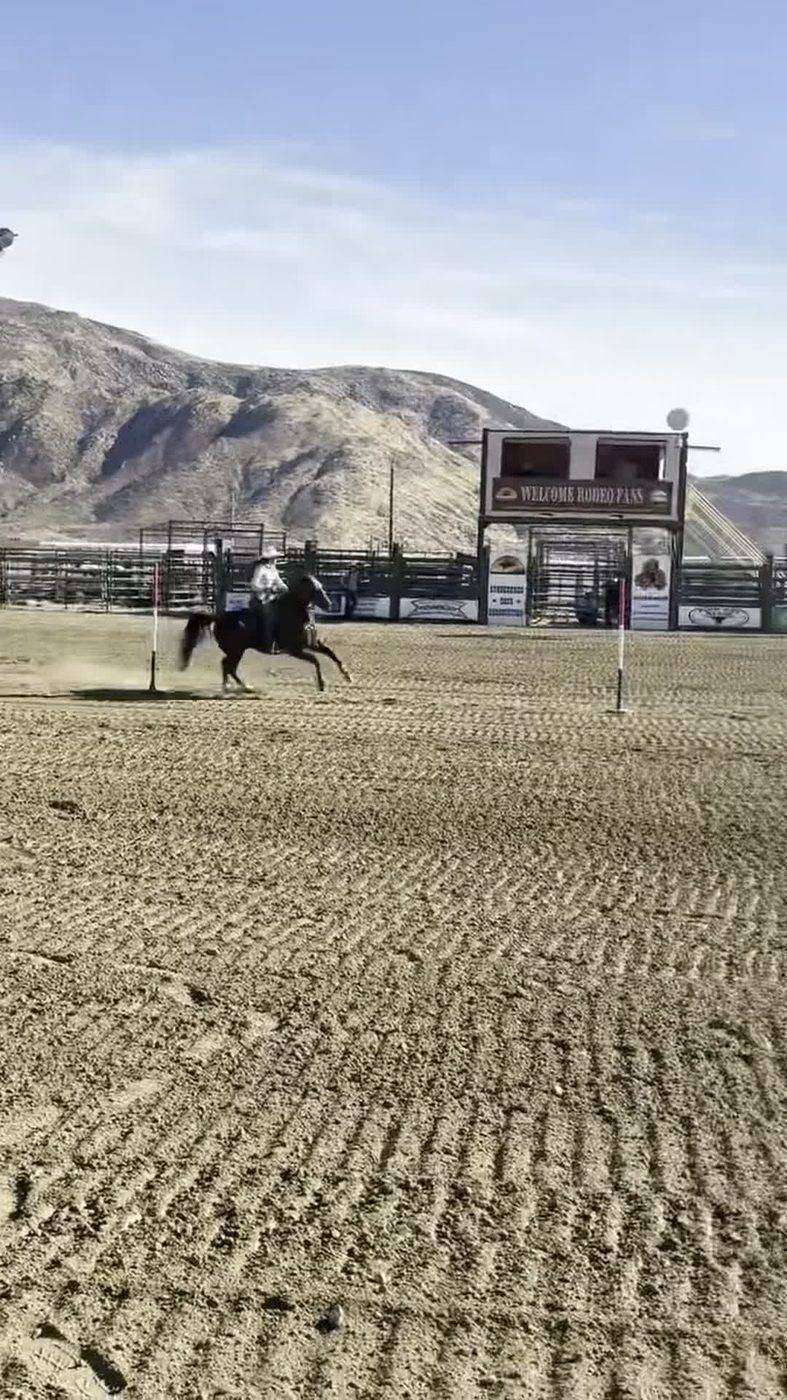
Cones and barrels are the cones of the horse world: they mark patterns, define boundaries, and turn an empty arena into a classroom. Simple obstacle setups — poles on the ground, a tarp to walk over, cones to weave — build a horse's confidence and foot awareness. Start easy and let the horse investigate new objects on its own terms; curiosity beats coercion. These props also make sessions more interesting for the human, which keeps training consistent — and consistency is what actually trains the horse.
Choosing and Storing Your Kit
You don't need expensive gear to start — a good rope halter, a twelve-foot lead, and a stick with a flag will carry you through months of groundwork. Inspect ropes and halters regularly for fraying, worn snaps, and stiff spots; a rope that breaks at the wrong moment is a safety problem. Hang halters and coil ropes after use instead of leaving them in a pile — mice love to nest in rope piles, and tangled gear wastes session time. Replace anything damaged without hesitation; groundwork tools are safety equipment first.
Keep reading
From the ranch