Gymkhana Basics: Speed-Pattern Games on Horseback
Gymkhana is the playground end of timed horse sports — a series of speed-pattern games run in a schooling-show or playday format where the emphasis is on fun, participation, and improving your own times. Riders of all ages gallop set patterns against the clock, and the atmosphere is closer to a community field day than a high-stakes show. For young riders especially, gymkhana is often the first taste of competition.
The Classic Gymkhana Events
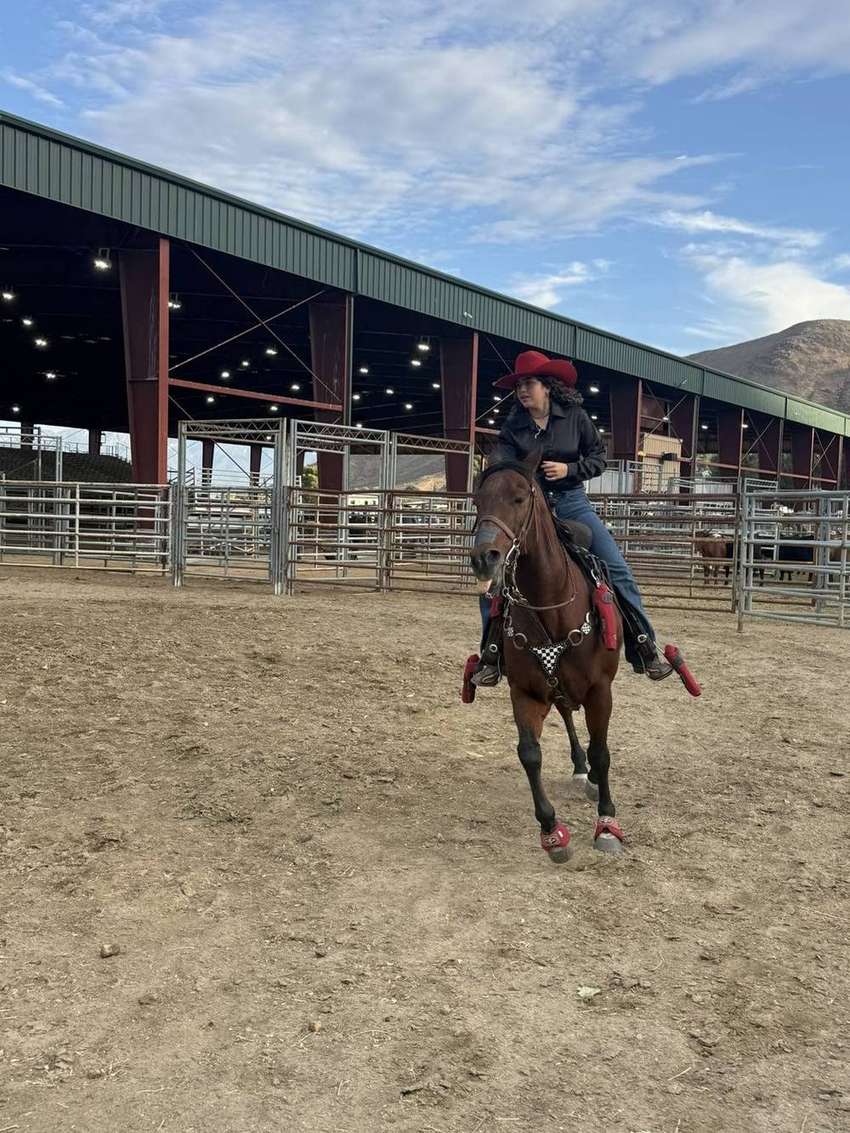
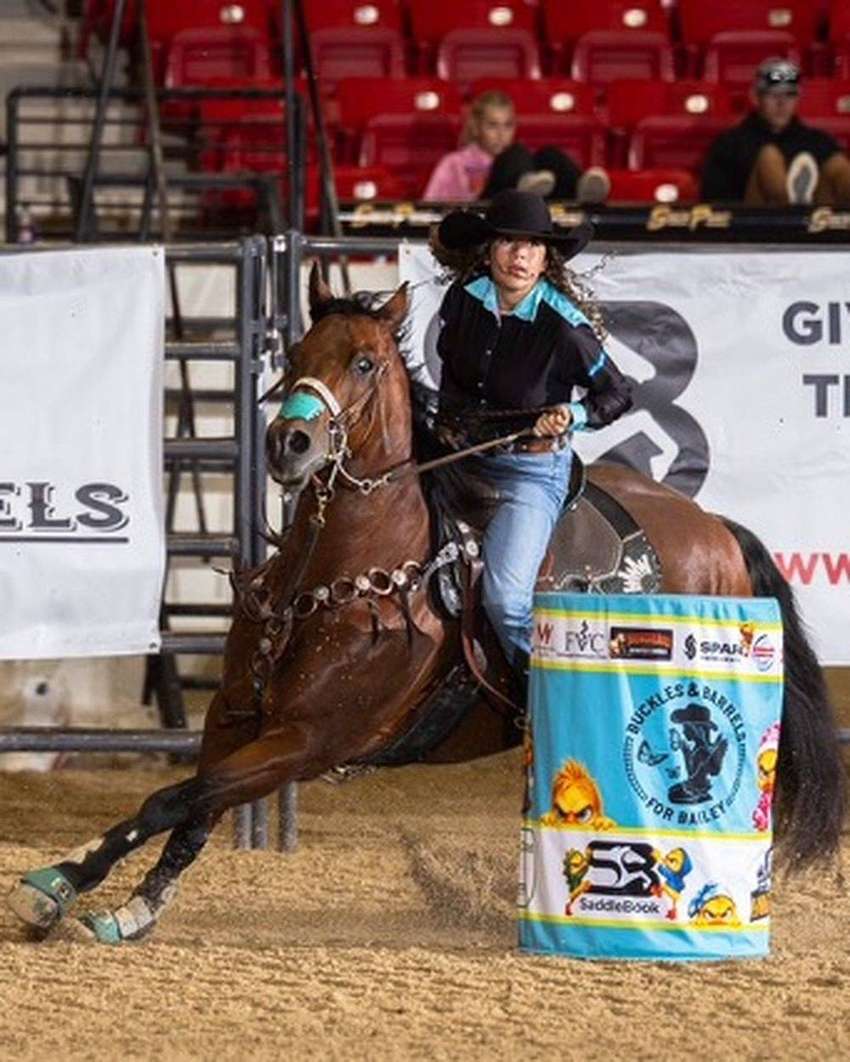
A gymkhana program is built from a menu of pattern races, each testing a different slice of speed and control. Barrel racing’s cloverleaf and pole bending’s six-pole weave are the headliners — the same patterns rodeo riders run, in a lower-pressure setting. The flag race asks horse and rider to gallop down the arena, grab a flag from one barrel, and deposit it in another on the way back, rewarding a horse that will stand quietly for the pickup and a rider with quick hands. Keyhole is a precision game: riders race into a painted keyhole shape, turn tightly inside it, and race out — crossing the line is a disqualification, so it teaches rated speed. The stake race sends riders weaving through a line of stakes and back, blending the weaving of poles with full-speed straightaways. Programs usually offer a mix of these across divisions, and riders collect times or points across the day’s events.
The Playday Format: How a Gymkhana Runs
Gymkhanas typically run as playdays or schooling shows rather than formal rated competitions. Divisions are usually split by age or experience — leadline for the tiniest riders, then youth and adult brackets — so everyone competes against fair company. Entry is simple, the schedule is relaxed, and riders often get to run every event in their division across the day. Scoring is usually based on times or accumulated points, with ribbons and small prizes rather than big purses. Because the stakes are low, gymkhanas are where riders try new things: a first attempt at the flag race, a greener horse’s first outing, a rider coming back after time off. Volunteers run the timers, set the patterns, and rake the arena between divisions. The whole format is designed to give riders ring time and confidence without the pressure or expense of the rated show circuit.
Why Gymkhana Is a Great Entry Point
For a young or beginning rider, gymkhana offers something the bigger disciplines cannot: real competition experience with training wheels on. The patterns teach the fundamentals that every timed event demands — rating speed, balancing through turns, changing leads or direction on cue, and riding accurately to a marker. Because mistakes cost only time and not a season, riders learn to problem-solve in the moment: what to do when the horse drifts off the third barrel, how to recover a missed weave. Horses benefit too; the variety of patterns keeps schooling interesting and builds a broke, adaptable mount. Many accomplished barrel racers and pole benders ran their first patterns at local gymkhanas, and the friendships formed at playdays often last entire riding careers. It is competition as education — fast, forgiving, and genuinely fun.
What You and Your Horse Need to Play
The barrier to entry is refreshingly low. Any sound, reasonably trained horse can run gymkhana patterns — you do not need a specialized speed horse to start, and many riders begin on the family trail or lesson horse. Tack is standard western equipment in good repair, and protective boots for the horse’s legs are smart given the tight turns. Riders need the basics: control at the walk, trot, and canter, and the ability to steer an accurate circle before speed enters the picture. A helmet is strongly recommended for every rider, especially youth. Beyond gear, the best preparation is practice at home — set up three barrels or a few poles in the arena and walk and trot the patterns until they are boring before you ever ask for speed. Show up early, walk the patterns on foot, watch a division ahead of yours, and remember the point: ride your own ride and beat your own last time.
Keep reading
From the ranch