Equine Flu and Strangles: Contagious Illnesses Every Horse Owner Should Know
Two of the most contagious equine diseases — influenza and strangles — move fast through barns, shows, and trailheads. Knowing the basics helps you protect your horse and your neighbors.
Equine Influenza Basics
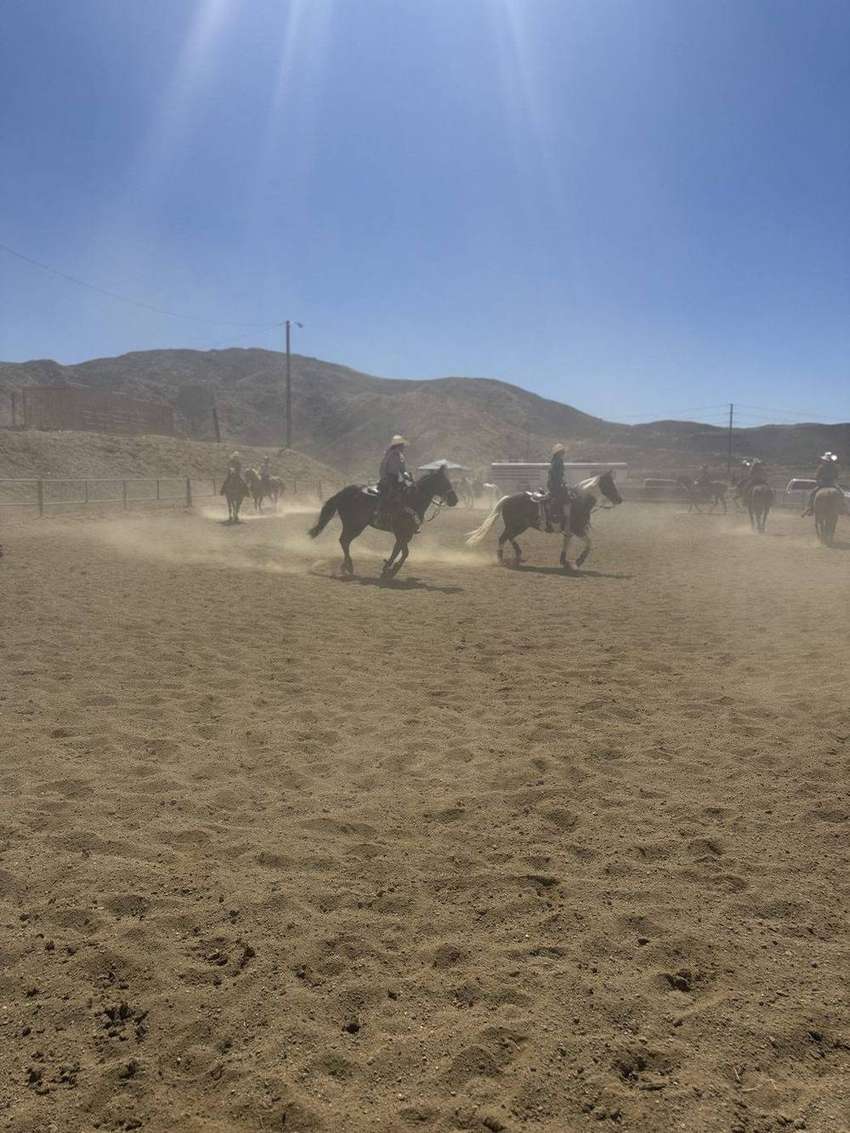
Equine influenza is a highly contagious respiratory virus — the horse world's version of the flu, and it spreads through the air over surprising distances. Signs include a dry, harsh cough, fever, nasal discharge, and lethargy, usually appearing a few days after exposure. Most healthy adult horses recover with rest and veterinary care, but the cough can linger for weeks, and young, old, or stressed horses can develop complications. Because it moves on the wind and on shared airspace, one sick horse at a show can expose dozens. This is information only — respiratory illness in horses always warrants a vet call.
Strangles Basics
Strangles is a bacterial infection caused by Streptococcus equi, infamous for the abscessed lymph nodes under the jaw that give it its name — swollen nodes can make swallowing and breathing difficult, hence the name. Classic signs are fever, thick nasal discharge, and hot, painful swellings under the jaw and throatlatch that may rupture and drain. It is extremely contagious through direct contact and shared equipment, water, and hands. Strangles does not usually kill, but it is miserable, spreads like wildfire, and can shut down a barn for weeks. Suspected cases should be isolated and your veterinarian called immediately.
Biosecurity Basics Every Barn Needs
You cannot bubble-wrap a horse, but basic biosecurity cuts risk enormously. Isolate new arrivals for two to three weeks before they join the herd — this single habit prevents more outbreaks than anything else. Do not share buckets, brushes, bits, or towels between horses, especially at shows. Wash or sanitize your hands between handling unfamiliar horses, and change clothes after visiting a barn with sick animals. At events, avoid nose-to-nose contact between horses and do not let your horse drink from communal troughs. These habits feel fussy until the week they save your barn.
Talk to Your Vet About Prevention
Vaccination is the other half of the equation, and it is a conversation to have with your veterinarian — not a one-size schedule, because risk depends on travel, showing, boarding density, and local disease activity. Your vet can recommend a program tailored to your horse's lifestyle and keep it current with boosters. Keep records of every vaccination with dates; shows and boarding barns often require proof. And know the drill before you need it: who to call, where to isolate, and how to take a temperature. Preparation turns a scary morning into a managed one.
Keep reading
From the ranch