How Do You Introduce a New Horse to the Herd Safely?
Adding a horse to a herd is a social event with real stakes — a slow, staged process keeps everyone safer.
Quarantine First
Before any introductions, a new arrival should spend time separated from the resident herd for health observation — this is standard biosecurity, not unfriendliness. The separation period lets you watch for signs of illness, get a vet check done, and confirm vaccinations and deworming are current without risking the whole barn. Ask your veterinarian how long to keep the new horse separate and what health checks to complete first. Use separate equipment and wash your hands between horses during this period.
The Over-the-Fence Phase
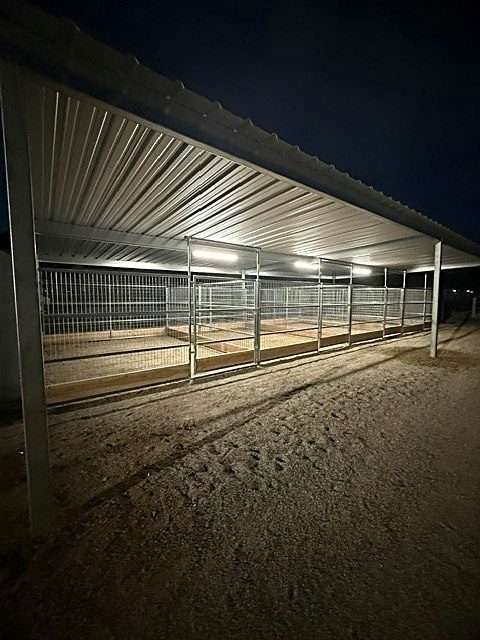
Once quarantine clears, let the horses meet across a safe barrier — adjacent paddocks or a sturdy fence line where they can see, smell, and squeal at each other without full contact. Expect drama: squealing, posturing, and showing off are normal first-meeting conversation. Give this phase several days at least; some barns allow a week or more. You're looking for the novelty to wear off and curiosity to replace the big reactions before anyone shares the same space.
Shared Space, Carefully
For the first shared turnout, choose the largest area available so a chased horse has room to get away — tight spaces cause most introduction injuries. Remove feed buckets and hay piles for the first meeting, since food is the fastest trigger for a fight. Stay nearby with a plan to separate horses if things escalate beyond normal sorting-out. Most introductions settle within an hour or two, but some take a few sessions. Never leave a brand-new mix unsupervised until you're confident it's stable.
Reading the Pecking Order
Some chasing, pinning ears, and squealing is normal communication as the herd renegotiates rank — horses are honest and quick about hierarchy. What's not normal: relentless pursuit that doesn't let up, cornering, double-barrel kicks aimed with intent, or a horse that's terrified and can't get to water. Check every horse afterward, especially legs and faces, for cuts and swelling. Give the new horse a buddy if possible — one friend in the herd changes everything. Patience now prevents injuries later.
Keep reading
From the ranch