Cold Hosing a Horse's Leg: The Basics
Cold hosing is the barn's oldest first response for a fresh leg strain or swelling — cold running water, applied patiently — and doing it well is a genuine skill.
Why Cold Water Is the First Tool
Fresh injuries to a horse's leg — a strain, a knock, a twist, a newly stocked-up lower leg — respond to the same principle human athletes use: cold constricts blood vessels, slows the rush of inflammatory fluid into the tissues, and numbs the area, limiting how much swelling and secondary damage accumulate in the first hours. Cold hosing delivers that cold in its simplest, most available form: a hose, running water, and time. It is a first response, not a diagnosis and not a treatment plan. A leg that is hot, significantly swollen, non-weight-bearing, wounded, or attached to a horse that is plainly lame needs your veterinarian involved from the start, with cold hosing as the bridge while help is arranged — not as a substitute for it.
The Technique That Actually Cools
Effective cold hosing is methodical. Start the water gently above the affected area and let it run down over the leg — beginning softly below a nervous horse's tolerance and working to full coverage once it settles. Keep the stream moving slowly over the whole region rather than blasting one spot, and let the water sheet over the leg for a sustained session; short splashes cool the hair, not the tissues. Common stable practice runs sessions of roughly fifteen to twenty minutes, repeated through the day on veterinary advice for fresh injuries. Work in a wash rack or on ground that drains, keep the handler on the same side as the hose, and watch the horse: most settle quickly once they connect the cold with relief.
What Cold Hosing Can and Cannot Do
Cold therapy serves the acute window — the first day or two after a strain or impact, and after genuinely hard work in horses whose legs are being managed under a veterinary plan. It does not fix torn fibers, drain an abscess, treat an infection, or explain a lameness. Swelling that does not improve, returns as soon as hosing stops across several days, localizes into heat and pain, or is joined by fever or a wound has outgrown first aid and belongs in a veterinary work-up. Owners also sometimes alternate cold with other therapies; those decisions, and any use of boots, wraps, or medications afterward, should follow your veterinarian's direction for the specific leg, because the right follow-up for a tendon strain and a cellulitis look similar only at the hose.
Building It Into Barn Routine
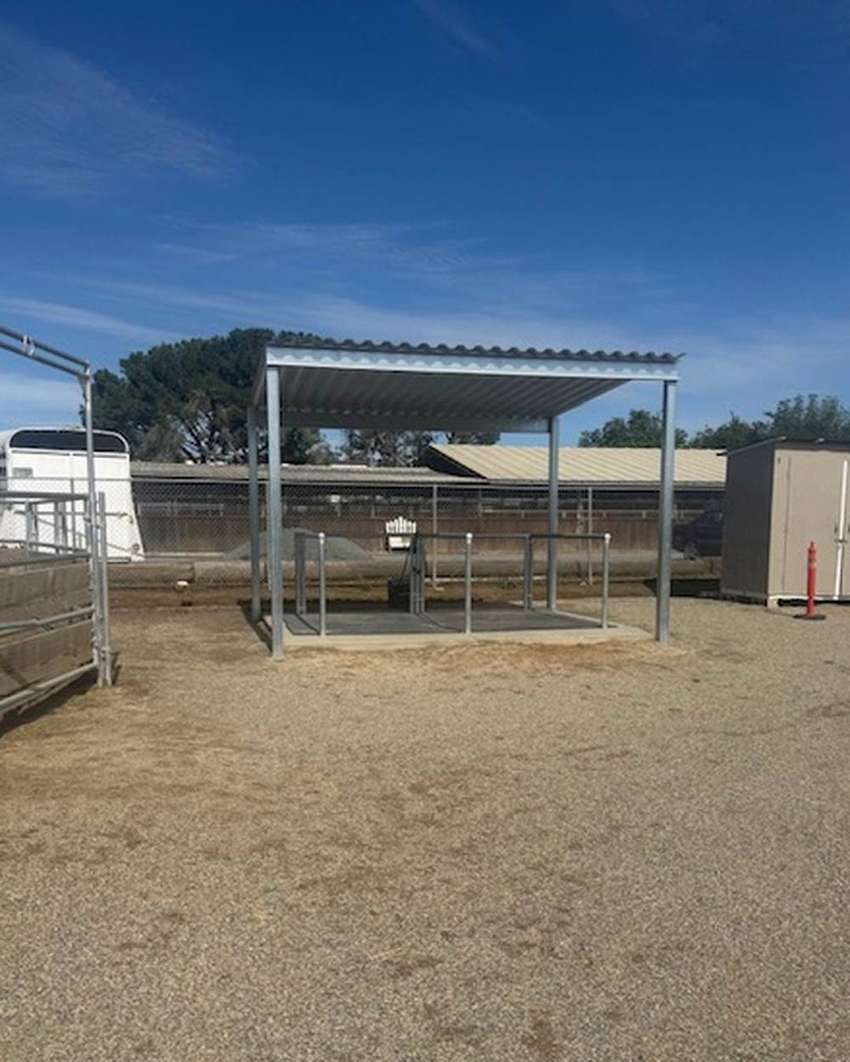
Barns that hose well set it up before they need it: a hose that reaches the wash rack without kinks, water pressure that is firm but not punishing, crossties or a safe tying point with good footing, and a timer nobody argues with. Keep brief notes when a leg needs hosing — date, which leg, what happened, how the swelling responded — because that log, shared with your veterinarian and farrier, turns one incident into useful history. Teach young horses to stand for hosing on a calm day rather than during their first injury; standing in running water is a trained skill like any other. The hose is humble equipment, but in the first hour of a leg problem, patience and cold water are the professional's opening move.
Keep reading
From the ranch