Standing Wraps, Polos, or Boots: Which Leg Protection and When?
Wraps and boots protect legs, but only when chosen and applied correctly — here's the breakdown for each type.
Standing Wraps and Bandages
Standing wraps — a quilted cotton pad under a flannel or knit bandage — are typically used overnight for support or to hold a poultice or medication in place. The critical skill is even tension: smooth, overlapping layers with no wrinkles, no ridges, and no tight spots, because an incorrectly applied wrap can damage tendons — the famous bowed tendon risk. Always wrap the full cannon from below the knee to above the fetlock, and always do both legs or at least compare pairs. This is a hands-on skill: have an experienced horse person teach you in person before you wrap a leg solo.
Polo Wraps for Riding
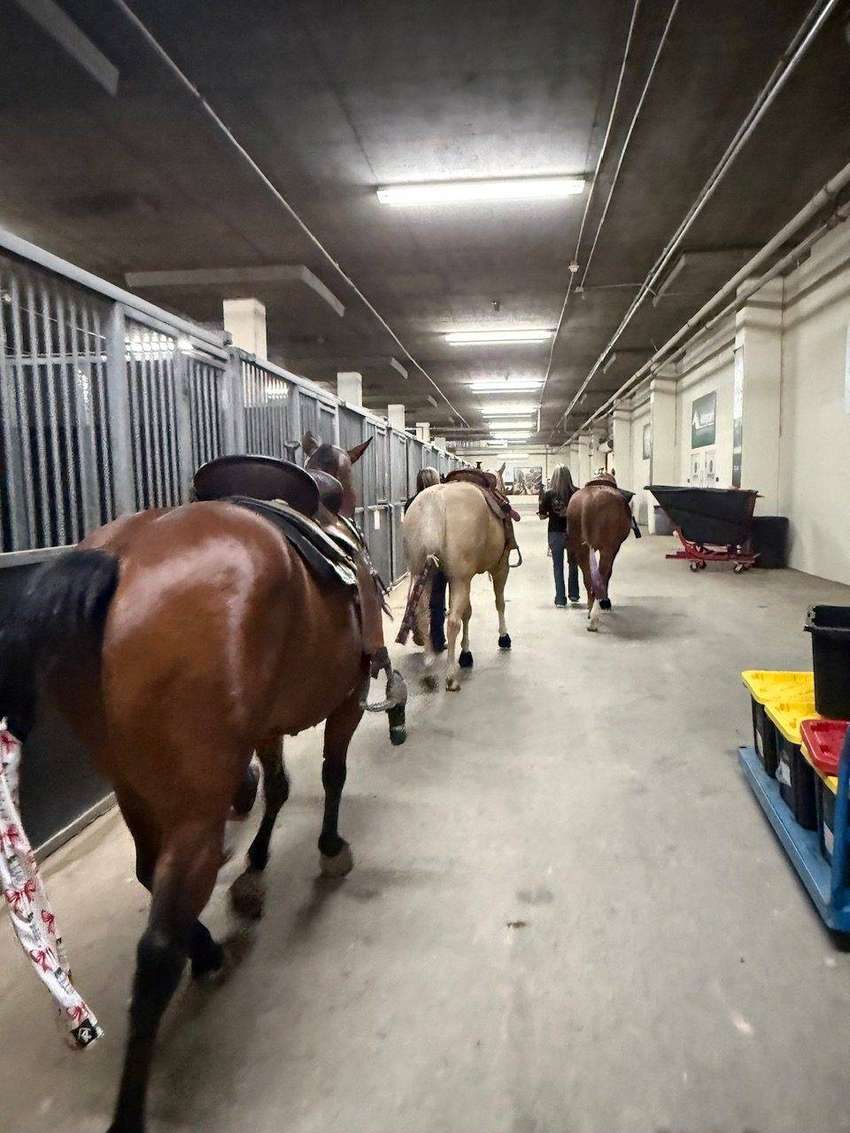
Polo wraps are the exercise wrap — soft fleece bandages that give light support and protection from brushing knocks during schooling. They go on with the same even-tension discipline as standing wraps, wrapped in the direction that supports the leg's structure, and finished with the fastener secured so nothing unravels mid-ride. Keep them clean and rolled neatly; dirty, stretched-out polos wrap unevenly. Polos are for riding, not turnout — a horse turned out in polos can catch and tighten them, which is exactly the injury you were trying to prevent.
Boots: Bell, Splint, and Sport
Boots are the quick-on, quick-off option, and each style has a job. Bell boots protect the heel bulbs and coronet from overreaching hind feet — essential for horses that pull front shoes. Splint or brushing boots shield the inside of the cannon from the opposite leg's knocks, common in horses that travel close. Sport and SMB-style boots wrap the whole lower leg for schooling and turnout. Whatever you choose, fit is everything: check for rubbing after every use, especially behind the fetlock, and keep boots clean so grit doesn't become sandpaper.
When to Skip Them and When to Ask
Here's the honest part: leg protection used wrongly causes the injuries it was meant to prevent. Never wrap a leg that's already swollen, hot, or injured without veterinary guidance — compression on the wrong problem makes it worse. Take wraps and boots off after work, check the skin underneath every time, and give legs naked time to breathe. If you're dealing with filling, heat, or lameness, consult your veterinarian before reaching for the bandage box. Wraps support healthy legs; they don't fix sick ones.
Keep reading
From the ranch