Choosing a Boarding Barn: A Practical Checklist
Choosing where a horse lives is choosing its daily feed, footing, turnout, and care culture — so visit like an inspector, ask like a journalist, and read the contract like a lawyer.
Start With the Horse's Day, Not the Amenities
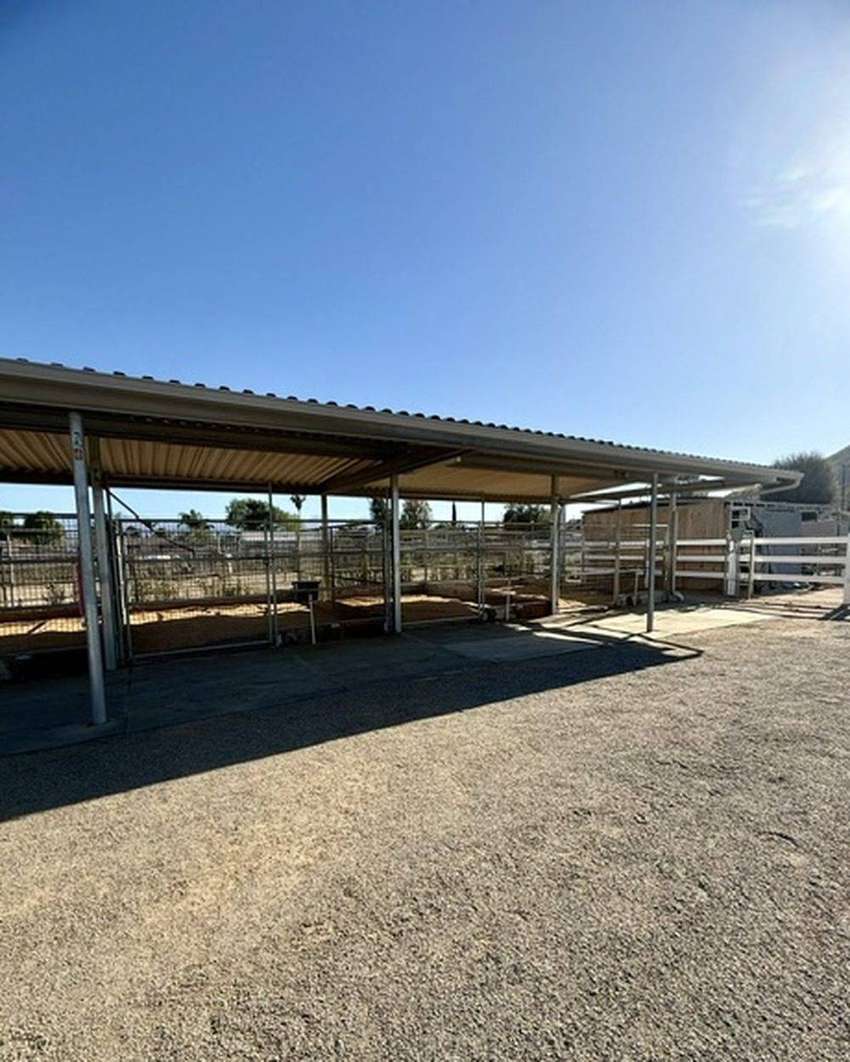
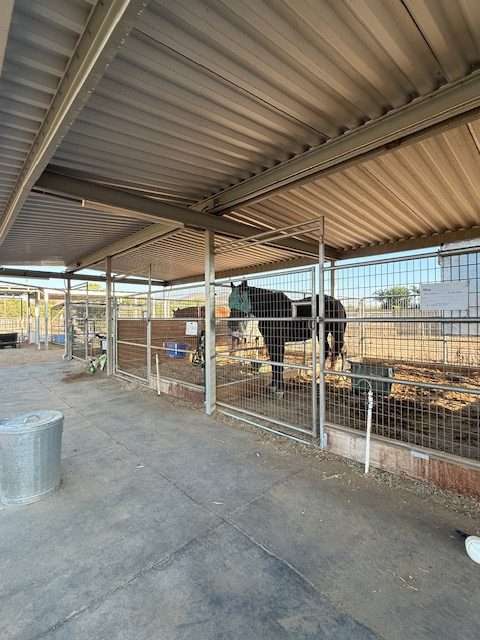
A boarding barn's real product is an ordinary Tuesday: what the horse is fed and when, how much turnout it actually gets and with whom, whose hands handle it daily, and what the stall looks like at the end of the day rather than after a showing clean-up. Visit unannounced if the barn allows, or at least at chore time, and look at the horses already living there — their weight, feet, coats, and demeanor are the most honest brochure available. Arenas and wash racks matter, but a fat, calm, well-shod herd matters more.
Questions Worth Asking Out Loud
Ask how feeding changes are decided, who calls the veterinarian and farrier and whether you may use your own, what happens in an emergency at 2 a.m., how new horses are quarantined and introduced to turnout groups, and what the barn's vaccination and deworming requirements are. Ask about blanketing, holding for appointments, trail access, arena rules, and visitor hours — the small print of daily life. Good barns answer these questions easily because they have systems; evasive answers are information too. Request references from current and former boarders, and call them.
Read the Contract for the Hard Days
Boarding agreements should spell out fees and what triggers extras, notice periods on both sides, liability and insurance expectations, lien language, and exactly what happens if a horse is injured, colics, or must be moved in an emergency. Clarify who may authorize emergency veterinary care and up to what limit if you cannot be reached — a conversation to have in writing, in advance, with your veterinarian's number in the barn office. Disagreements between barns and boarders are rarely about riding; they are about money, care standards, and surprises. A clear contract prevents most of all three.
Fit Is a Two-Way Trial
Finally, weigh fit: the barn's discipline culture, noise level, lesson program traffic, and community should suit both the horse and the human who will visit it for years. Most good arrangements include a trial period or at least an honest first month of heightened communication — weight checks, turnout adjustments, quick reports. If something feels wrong, raise it early and specifically; if it stays wrong, move kindly and promptly. Horses read their environments daily. Choosing where yours lives is one of the largest welfare decisions you will make for it, and it deserves this level of care.
Keep reading
From the ranch