Boarding Basics: What to Ask Before You Move In
Choosing a boarding barn is choosing your horse's home — and your second home. Tour with this checklist in hand.
The facility walk-through
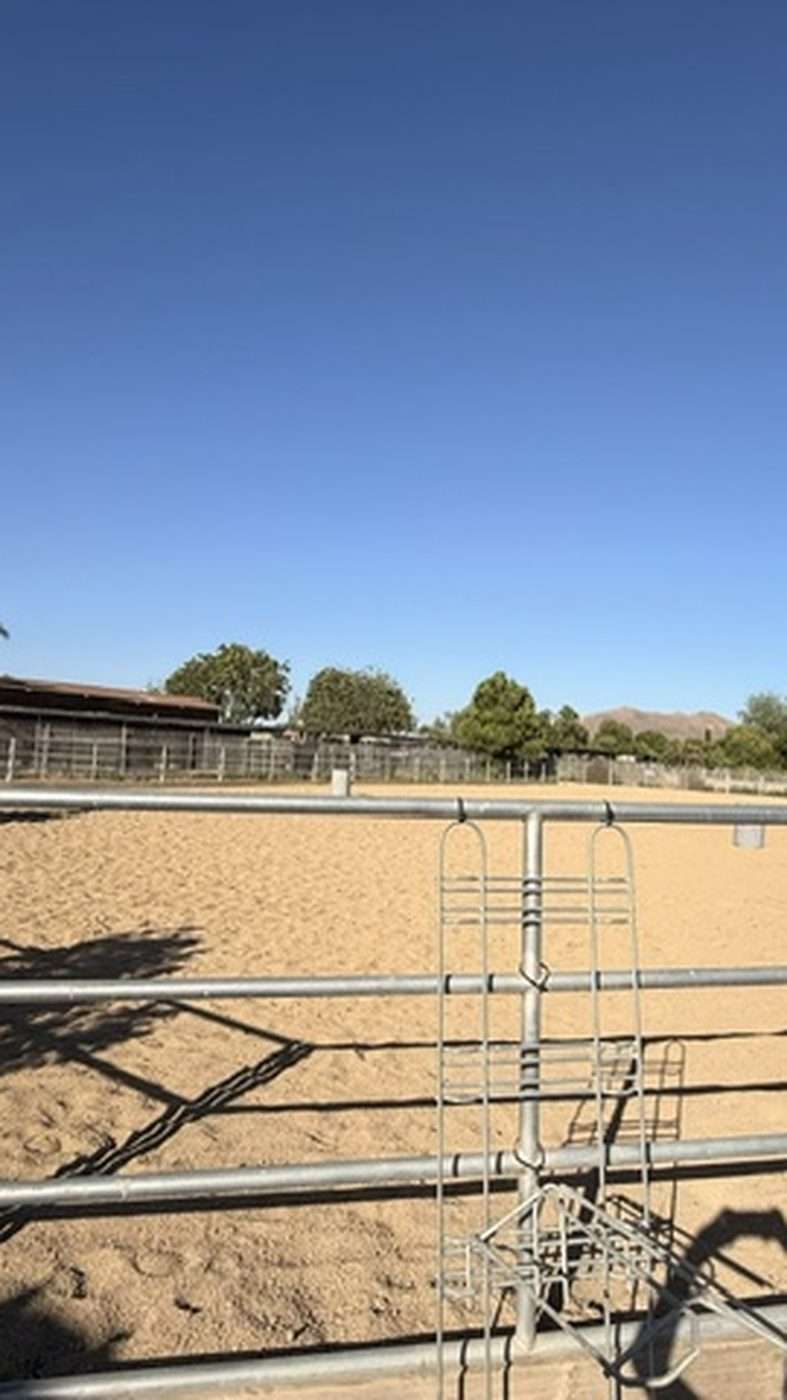
Look at everything with fresh eyes: stall size, bedding depth and cleanliness, ventilation, turnout (how many hours, how many horses per group, pasture condition), arena size and footing quality, round pen, wash rack, trailer parking, feed room tidiness, hay storage (dry and covered?), and water sources. Visit at feeding time if you can — the real routine shows when the staff thinks no prospective client is watching. Notice the horses already there: do they look content, well-fed, and well-handled? They are the review that matters.
Care questions that matter
Ask who is on the property and when — overnight staffing, night checks, and who handles emergencies at 2 a.m. How does feeding work: what, how often, and can you supply your own feed or supplements? What are the farrier and vet policies — your own practitioners or the barn's? Blanketing, booting, and fly-mask routines; holding for vet and farrier appointments; the emergency protocol and who is authorized to call your vet. Vague answers to these questions are answers.
The people and the culture
Watch a lesson or two before you commit. Are students safe? Are horses treated with patience? Is instruction clear and kind, or loud and fear-based? Talk to current boarders away from the manager — they will tell you the truth about drama, rule enforcement, and how problems get handled. Look for clear posted rules, tidy common areas, and horses that are relaxed around the staff. Trust your gut about the vibe; you will be spending a lot of hours there.
Contracts and costs
Get the board agreement in writing: exactly what is included (feed? blanketing? holding for farrier?), the notice period for leaving, the policy on price increases, and the liability waiver — read it, do not just sign it. Understand what costs extra before the first invoice surprises you. And remember the golden rule: the cheapest board is rarely the best value. You are not buying a stall; you are buying daily care for an animal you love. Buy the care.
Keep reading
From the ranch