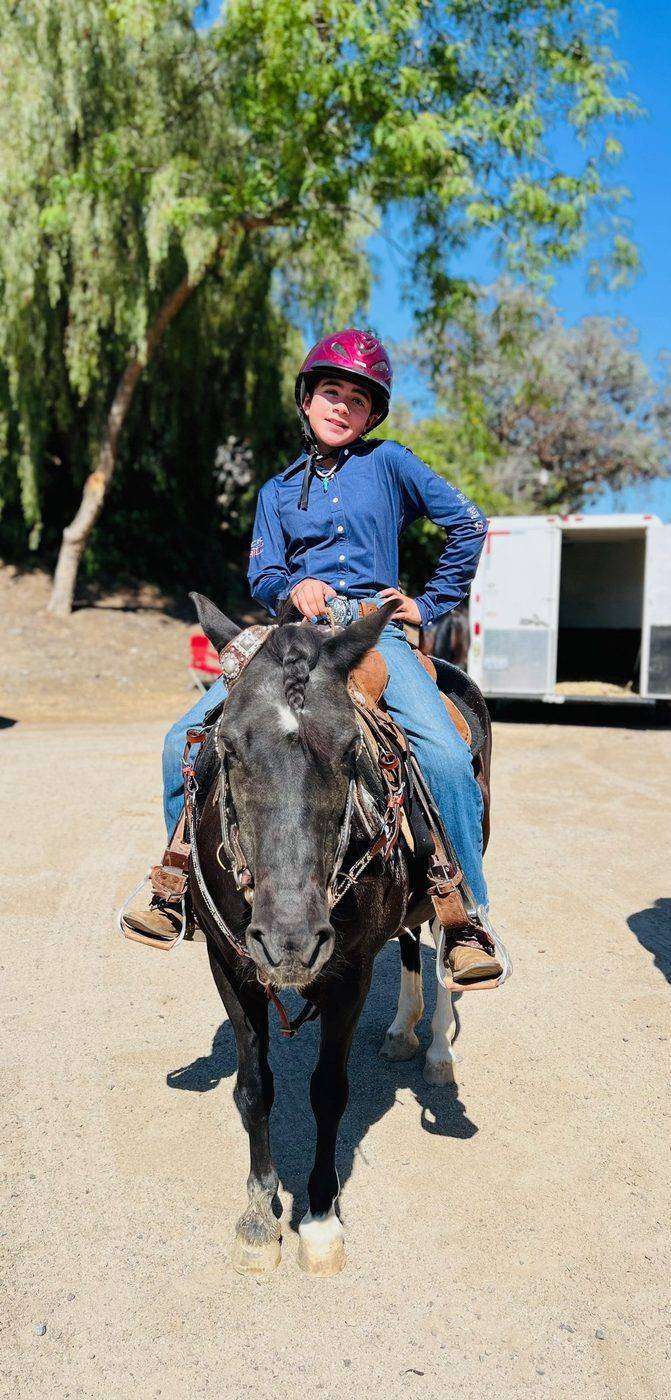
Bit Basics: What Beginners Should Know
Bits are the most argued-about inch of equipment in riding — and the least important part of good hands. Here's the beginner's framework: what bits do, where to start, and why the answer is almost never 'a stronger one.'
What a bit actually does
A bit is a communication tool, not a brake pedal. Through the reins it applies pressure — to the mouth, and depending on design, the poll and chin — and the horse learns to seek the release of that pressure. That's the entire mechanism: pressure, then relief when the horse responds. It follows that the bit only works as well as the release does; constant pulling with no release teaches the horse to tune out or fight, regardless of what's in its mouth. The hardware matters far less than the conversation happening through it.
Start mild
The usual starting point is a simple snaffle — direct pressure, no leverage — because it gives the clearest, kindest signal while horse and rider are both learning. Severity comes from leverage (shank length) and mouthpiece design, not from size; a thin twisted wire mouthpiece can be harsher than a thick smooth one. Here's the rule that saves horses: a stronger bit never fixes a training gap. If the horse is rushing, rooting, or ignoring you, the answer is schooling and softer hands — reaching for more hardware just raises the volume of a conversation neither of you understands yet.
Fit matters as much as type
An ill-fitting mild bit can be worse than a well-fitting stronger one. Width: the bit should extend just past the corners of the mouth — too narrow pinches, too wide slides and bangs the teeth. Height: adjusted so it creates one or two soft wrinkles at the mouth corners, sitting quietly rather than hanging or cranked up. Mouthpiece: suited to the horse's mouth conformation — some horses have low palates or thick tongues that change what fits. Check the fit regularly, and check the mouth too: sores at the corners or on the bars mean something needs to change.
Hands before hardware
The through-line of everything about bits: educated, quiet, following hands matter more than any mouthpiece ever made. Before changing bits, get a trainer's eyes on the real question — is the horse confused, in pain, or simply uneducated? Most 'bit problems' are hand problems, fit problems, or dental problems wearing a disguise. Learn to ride from your seat and legs with soft hands, keep the bit simple and well-fitted, and you'll rarely need to think about bits at all — which is exactly how it should be.
Keep reading
From the ranch