Bell Boots and Brushing Boots: What They Protect
Horses' legs take a beating — often from their own hooves. Bell boots and brushing boots are the simple gear that guards against self-inflicted knocks.
Bell Boots: Heel Protection
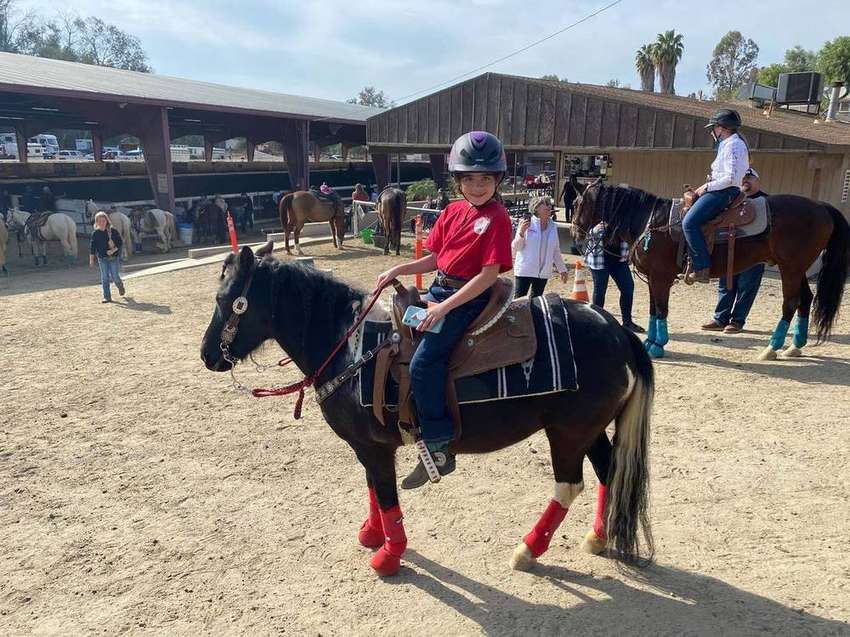
Bell boots cover the coronet band, heel bulbs, and the back of the hoof — the exact zone a horse strikes when it overreaches, catching a front heel with a hind toe. That strike can pull a shoe, bruise the heel, or cut the coronet, so horses that overreach wear bell boots for turnout and work. They come in pull-on rubber, velcro-closure, and no-turn designs; the right one is the one that stays put on your horse. For shod horses that grab their front shoes behind, bell boots are not optional gear — they are cheap insurance.
Brushing Boots: Leg Protection
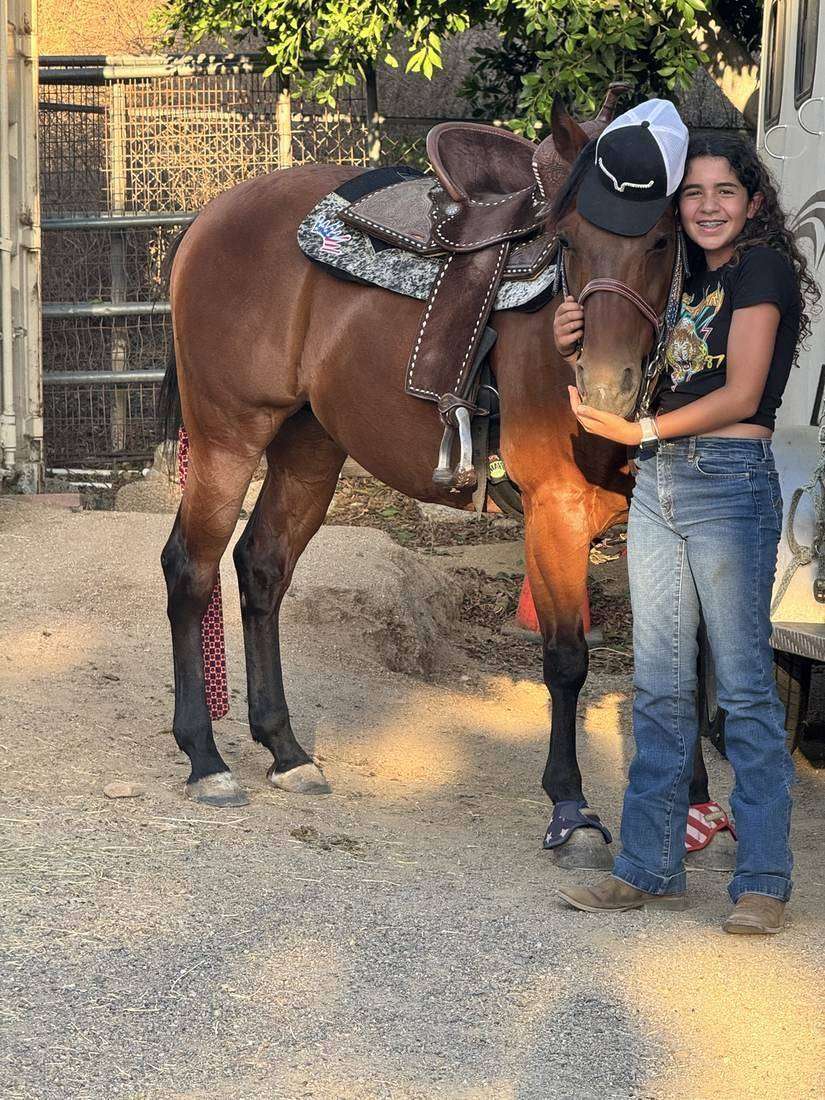
Brushing boots — also called splint boots — wrap the cannon bone and fetlock to protect against brushing, when one leg strikes the opposite leg in motion. Horses with close movement, young horses still sorting out their legs, and horses working laterally all benefit. They are standard equipment in jumping and flatwork, where a misplaced step at speed does real damage. Unlike bell boots they protect the leg itself rather than the hoof, and many horses wear both: bells guarding the front heels, brushing boots on the cannons that need them.
Fit and Daily Care
Both types need to fit snugly without constricting — you should be able to slide a finger underneath, and nothing should gap, twist, or slide down during work. Take boots off daily: check the skin underneath for rubs, heat, or swelling, let the legs air out, and knock the boots clean before they go back on. Wet, dirty boots left on breed skin problems of their own. Replace boots when the velcro dies or the padding compresses — worn-out protection protects nothing. Two minutes of checking beats two weeks of treating a rub.
When It Signals Something More
Constant interference can be telling you something. A horse that suddenly starts overreaching or brushing when it did not before may need a farrier visit — long toes and imbalanced feet change how legs travel. Persistent interference despite correct shoeing is worth mentioning to your trainer and veterinarian, since conformation, fatigue, or subtle lameness can all show up as legs hitting legs. Boots manage the symptom well, but the smart owner also asks why the symptom appeared.
Keep reading
From the ranch