Arena Footing Basics: What Good Ground Looks Like
Footing is the surface horses work on — and it's one of the biggest factors in soundness, confidence, and performance. Here's how to read it and what good ground looks like.
Why Footing Matters
Every stride a horse takes interacts with the ground: the hoof lands, slides slightly, loads, and pushes off. Footing that's too deep grabs the hoof and strains tendons and ligaments; footing that's too hard jars joints and bones; footing that's slippery or uneven causes slips, missteps, and falls. Good footing is the foundation of every safe ride — it's why serious riders walk the arena before they mount and why show organizers obsess over their surfaces.
What Good Footing Looks Like
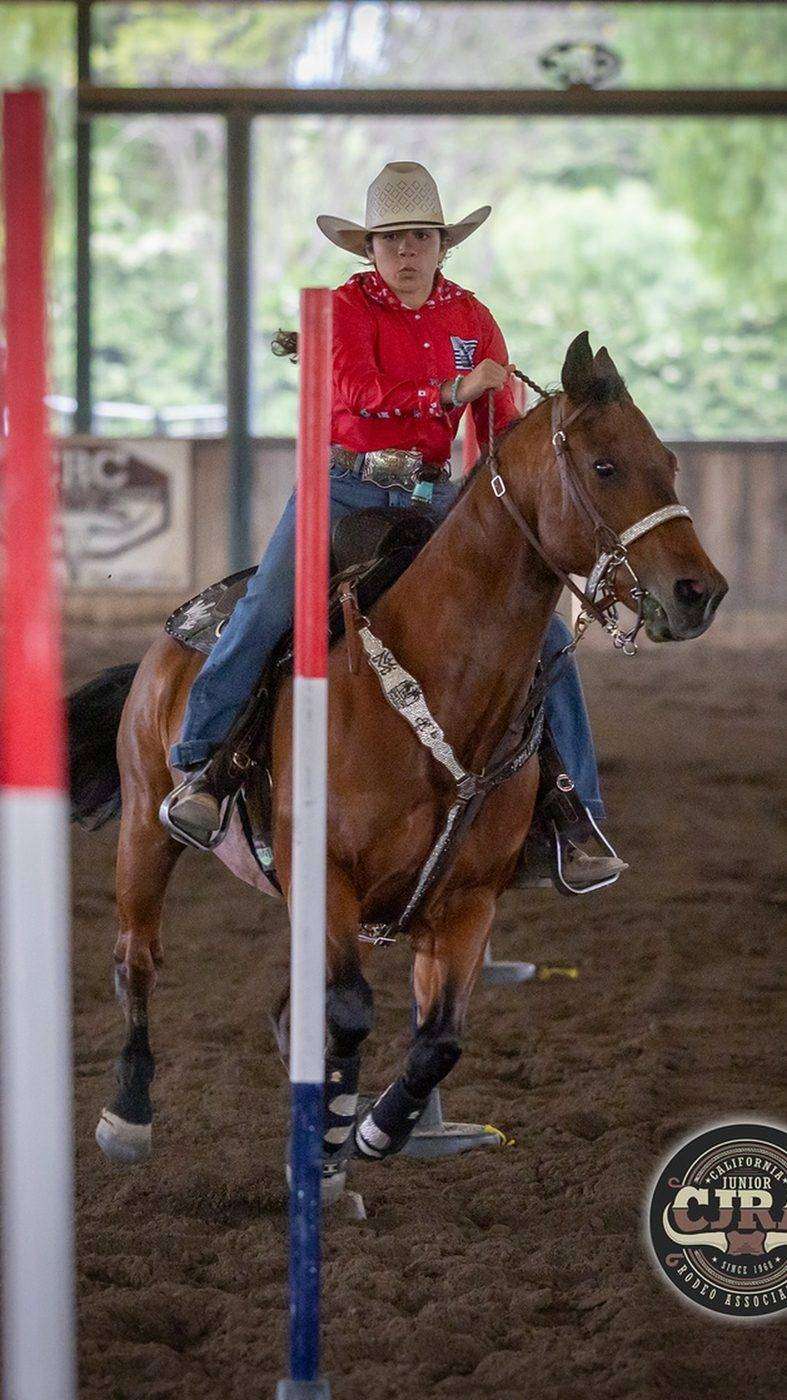
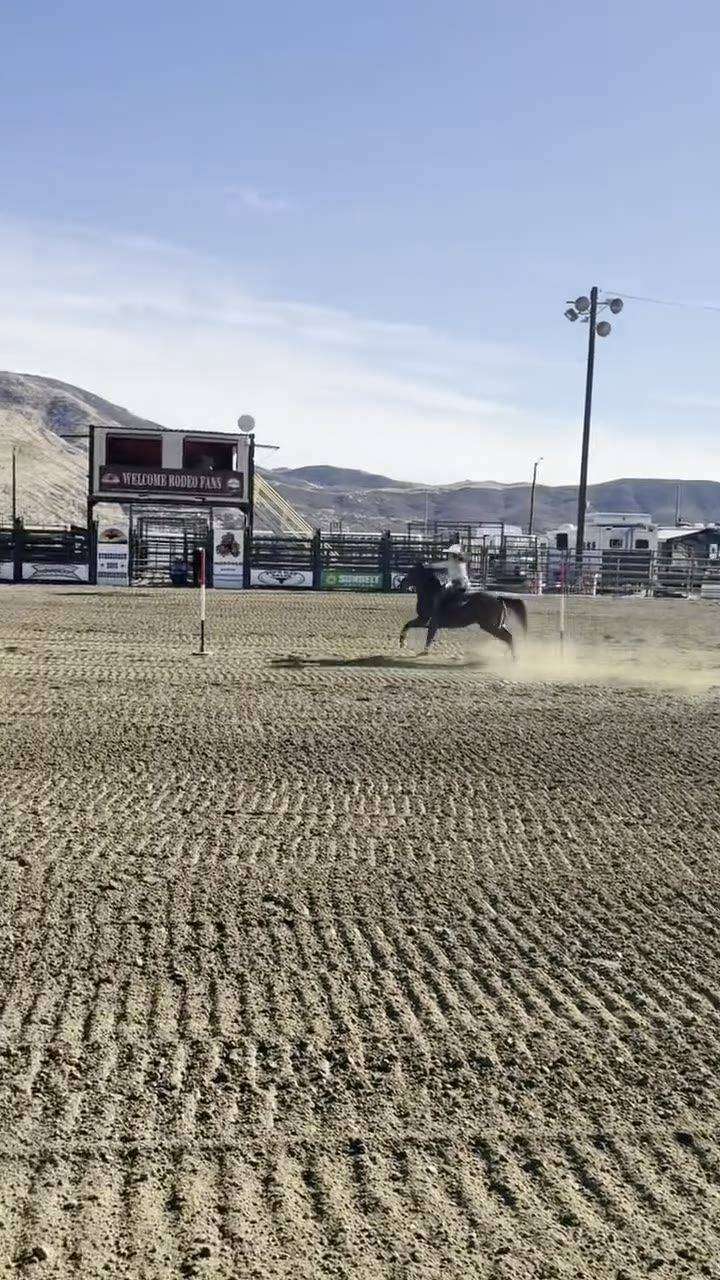
Ideal arena footing has a firm, level base with a cushioning top layer — often sand, sometimes blended with fiber, rubber, or other additives. It should be consistent across the whole arena: no deep spots in the corners, no hard-packed track along the rail, no puddles or dry dust bowls. When you walk it, your boot should sink slightly and evenly, then spring back. The surface should be groomed regularly — dragged to level it and watered to control dust and maintain the right moisture and firmness.
Common Footing Problems
Deep, loose sand is the most common problem: it looks soft and kind but forces tendons and ligaments to work overtime, and tired horses on deep footing are injury-prone. Rock-hard, unwatered arenas jar every joint. Inconsistent footing — deep in the middle, hard on the track — is arguably worse than uniformly mediocre ground because the horse can't predict it. Watch for holes, ruts, rocks working up through the base, and areas where the base material is showing through the top layer.
What Riders Can Do
You can't rebuild someone else's arena, but you can make smart choices: walk the surface before you ride, adjust your work to the ground (less hard turning on deep or slick footing), and speak up — politely — when footing is unsafe. If you manage an arena, the unglamorous routine of dragging, watering, and leveling is the whole game, plus addressing drainage so water doesn't pool. For horses working hard on any surface, correct shoeing and conditioning matter too. Feet and legs last longer when the ground is right.
Keep reading
From the ranch