Working Equitation Basics: Dressage Meets Ranch Obstacles
Working equitation asks one horse-and-rider team to do it all: a dressage test, a stylish obstacle course, the same obstacles at speed, and sometimes cattle work. Born from Europe's working-horse traditions, it is one of the friendliest doors into competition.
Four Trials, One Partnership
A working equitation competition is built from up to four trials. It begins with a dressage test scaled to the team's level — the same emphasis on rhythm, relaxation, and correct gaits as ordinary dressage, judged with an eye toward practical riding. Next comes ease of handling: an obstacle course ridden for style and smoothness, not time. The speed trial runs a similar course against the clock. Finally, where facilities allow, a cattle trial sends small teams to sort a designated cow from a herd and pen it. The first three trials are the core of the sport; cattle work is a bonus offered at some events. The sequence rewards the complete horse — precise, handy, brave, and quick — rather than a specialist.
Obstacles With a Working Past
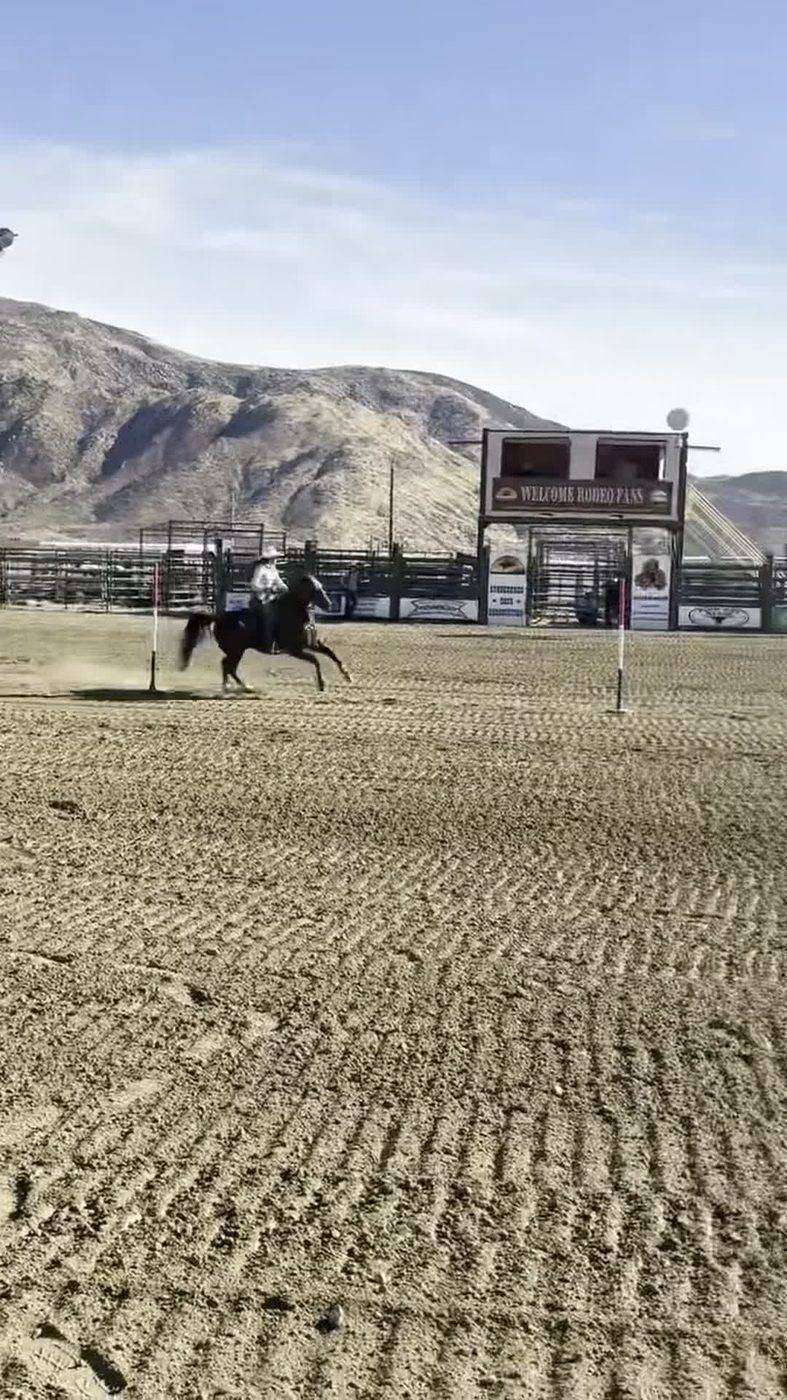
The obstacle course borrows from real ranch and farm work: opening and closing a gate without letting go, crossing a bridge, weaving poles or barrels, ringing a bell at the end of a corridor, backing through an L, sidepassing over a pole, carrying a long garrocha pole to spear a ring, and moving a jug or switch cup from post to post. Each is scored on correctness, calmness, and the quality of the gaits between obstacles. Horses may be ridden in a wide range of tack traditions — western, English, Iberian, and others compete side by side — and any breed can play, which is part of the sport's charm and its growth.
Why Beginners Take to It
Levels run from introductory (walk and trot) upward, so a new team can start small and add canter work, harder obstacles, and one-handed riding as they progress. Schooling the obstacles at home is genuinely fun: gates, bridges, and poles give everyday rides a purpose, and horses visibly enjoy having problems to solve. It also builds exactly the skills ranch riding values — a horse that stands quietly at a gate, rates its speed, and trusts its rider in odd places. Look for a schooling show or a clinic with the national association's local groups, borrow the rulebook's obstacle descriptions, and practice components slowly on the ground first if your horse is green.
A Note on Fit With Ranch Life
Of all the arena sports, working equitation may be the most naturally at home on a working ranch — its entire premise is that the elegant horse and the useful horse are the same horse. A veteran new to horses will find the structure familiar: a course of tasks, done in order, judged on calm competence. Start with the basics in this library — groundwork, gate manners, and pole work — and the discipline's first level stops looking like a competition and starts looking like a good Saturday ride with a scorecard. As with any new activity, an instructor who knows the sport will save you wrong turns; your veterinarian can advise on conditioning a horse for new work.
Keep reading
From the ranch