Boxing a Cow: The Box-Only Cow Horse Class
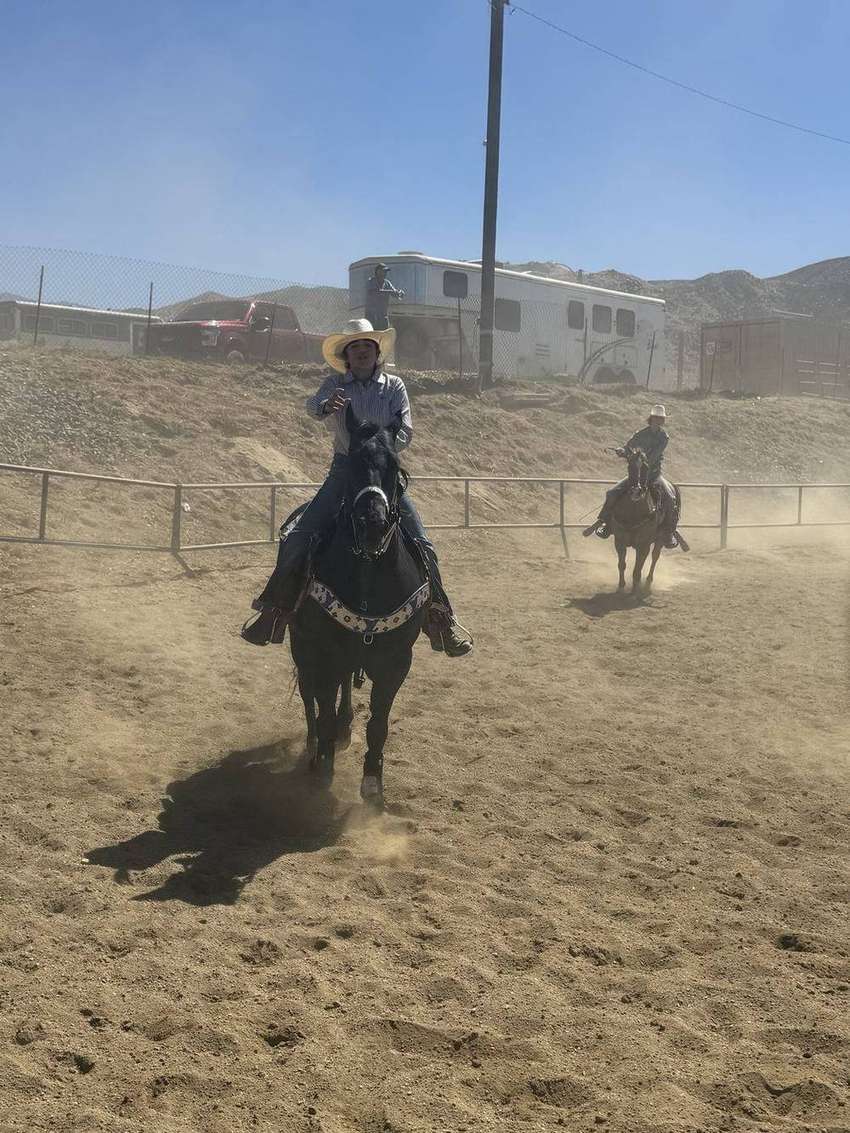
Boxing is reined cow horse's box-only class: after a reining pattern, horse and rider hold a single cow at one end of the arena for fifty seconds — no fence work, no circling — showing position, rate, and control where there is nowhere to hide.
The Class That Skips the Fence
Full cow horse competition, covered in this library's reined cow horse pages, has three acts: herd work, reined work, and fence work, in which the horse boxes a cow at the end of the arena, then turns it down the long fence and circles it in the open. Boxing classes keep the first acts they need and end the story early: the rider performs a reining pattern, calls for a cow, and works it only on the short end — the box — for fifty seconds. The class exists as an on-ramp: National Reined Cow Horse Association limited divisions and breed-association boxing classes are fenced about with eligibility rules, typically restricting riders who have shown down the fence more than a set few times or earned beyond a modest money cap, so the class stays a school rather than becoming a refuge for experts.
Fifty Seconds at the End of the Arena
The run's anatomy is simple to describe and hard to do. The cow enters; the rider takes position straight out from the gate, forty to sixty feet off, and as the cow tests one side of the end fence and then the other, the horse mirrors it — parallel, in position, stopping hard with hocks underneath when the cow stops, stepping to the cow to start its next move. Rate is the prized quality: the horse travels exactly as far and as fast as the cow does, no more, so the cow is controlled rather than chased. A great fifty seconds ends with the cow worked honestly back and forth across the end, every turn initiated by the horse's position, the rider visibly doing almost nothing — the appearance all cow work aims at and boxing isolates.
How Boxing Is Judged
Judges score the cow work on the content of those fifty seconds: the approach and first position; position held through the work; form and correctness — rate, stop, and turn in that order; control of the cow; the degree of difficulty the cow itself presents, credited only when the rider controls it rather than creates it; eye appeal; and time worked — how much of the fifty seconds was genuine work rather than standing or chasing. Scores start from the cow horse standard of seventy and move by halves and wholes. The traps are named in every judge's vocabulary: motorcycle turns that roll up on the cow and leave the horse late, racing past the cow, and fence-type turns, which belong to a later class and cost marks here.
A School for Horse and Rider
Trainers defend boxing against the charge that it is cow horse with the hard part removed by pointing at the short end of the arena: if you cannot control a cow on the box, you have no business taking one down the fence, where speed multiplies every positional sin. Green horses learn to read a cow at survivable speeds; green riders learn feel, timing, and the discipline of position without also managing a fence run; older horses and returning riders stay in the game honourably. It is, in the best sense, the discipline's foundation class — and watching a master box a difficult cow for fifty seconds, motionless in the saddle while the horse works, is as pure a demonstration of cow sense as the sport offers.
Keep reading
From the ranch