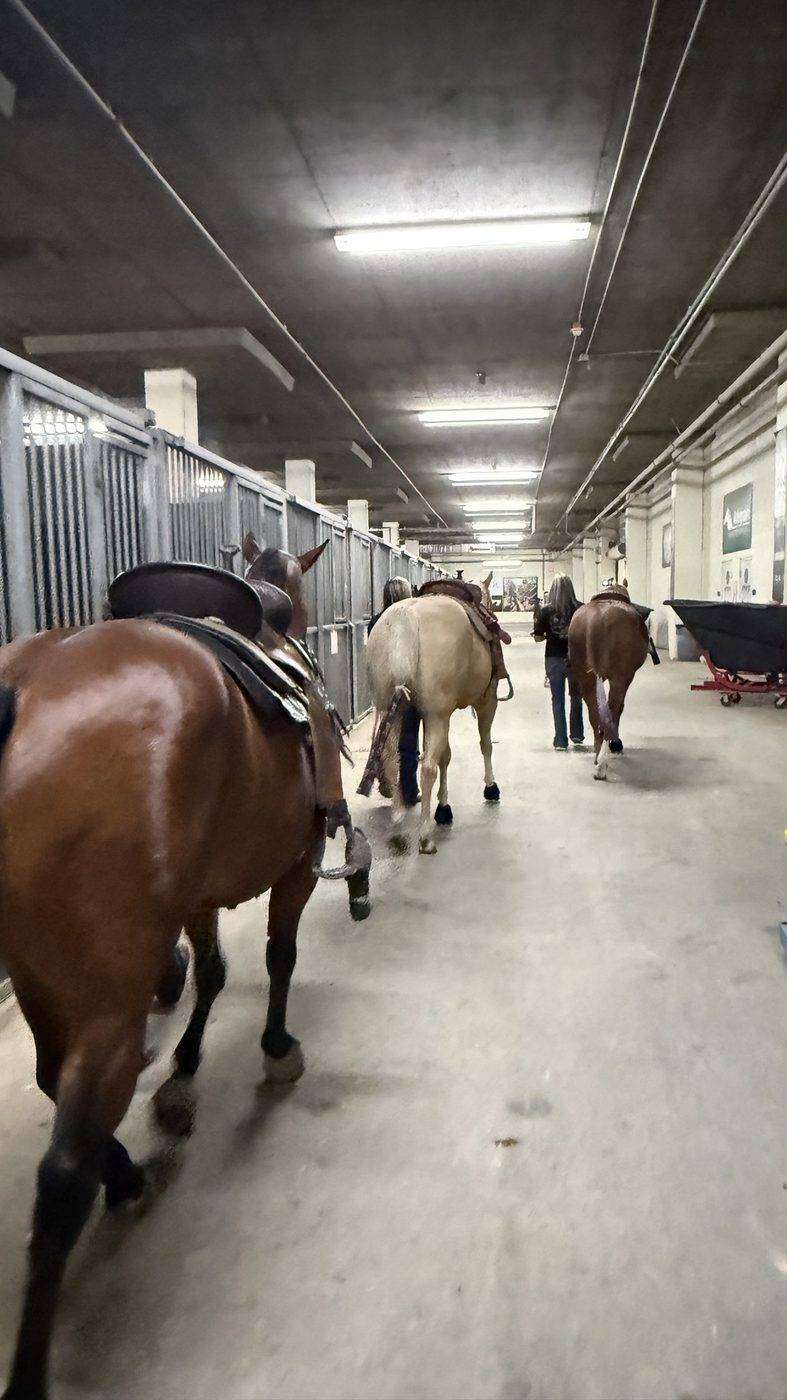
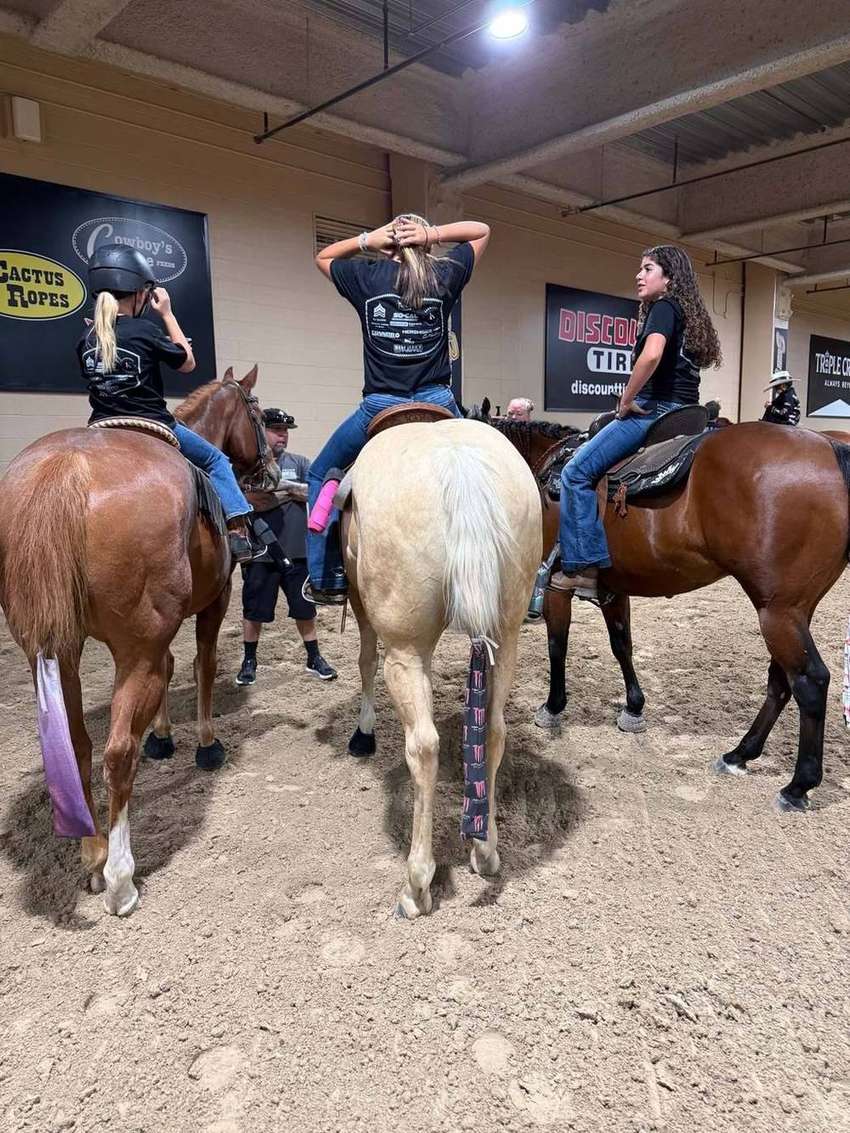
Volunteer Orientation at a Horse Barn: What Day One Covers
A good volunteer orientation is not a tour — it is how a barn turns willing hands into safe, reliable help around thousand-pound animals. Here is what day one should actually teach.
Safety Before Everything, Demonstrated Not Lectured
Orientation starts where barn safety starts: how to approach a horse so it knows you are coming, where to stand and where never to stand, how gates and latches work and why they are always closed behind you, and which horses a new volunteer does not handle yet — every barn has them, for reasons that are the barn's to know. The rules land when they are demonstrated at a real stall with a real horse, not read off a sheet: this is how we halter, this is how we lead through this doorway, this is what we do when a horse pulls back (let go of the rope, get clear, get a person — in that order). A volunteer who has practiced the boring emergencies on day one is a volunteer who will not improvise them on day thirty.
The Barn's Systems, in the Barn's Order
Every barn runs on small systems that look like chaos until someone names them: which wheelbarrow, which fork, where the manure goes; how water buckets are scrubbed and how a frozen or filthy trough gets reported rather than admired; the feed room's charts and the iron rule that feeding is done by designated people from the chart, never improvised by a kind person with a scoop. Orientation should end with the new volunteer able to do the starter tasks — mucking a stall to standard, cleaning and filling waters, sweeping an aisle — to the barn's standard, supervised once and then trusted. Competence at small things is the entire foundation of being trusted with bigger ones.
People Rules Are Safety Rules Too
Barns serve families, visitors, and sometimes riders with significant support needs, and orientation covers the human protocols with the same seriousness: what a volunteer may photograph (their own hands, not other people's children), what stays at the barn (other families' stories and circumstances are not anecdotes to carry home), how questions about a horse's care or a rider's abilities get routed to staff rather than answered from the fenceline, and how minors are supervised — always in sight of designated adults, never alone with a horse they have not been cleared for. None of this is suspicion. It is how a barn full of animals and strangers stays a place families trust.
What Good Orientation Promises the Volunteer
The exchange is not one-sided, and a thoughtful barn says so on day one: training before tasks, supervision that tapers as competence grows, a clear named person to ask instead of guessing, honest talk about the physical reality of the work, and thanks that is specific rather than generic. Volunteers should leave orientation knowing the schedule they committed to, how to report that they cannot come, and what the path looks like if they want to learn more — grooming, then handling, then program support. People return to places where they feel safe, useful, and taught. That feeling is not an accident; it is an orientation, done properly, on day one.
Keep reading
From the ranch