The Transbaikal Curly: The Astrakhan-Coated Horse
The Transbaikal is an aboriginal curly-coated horse from Transbaikalia, east of Lake Baikal: bred by steppe nomads since antiquity, formalised under a breed standard in 1940, and unmistakable in its dense curls, which make its coat look like astrakhan fleece.
An Aboriginal Horse of the Eastern Steppe
Transbaikalia — the country beyond Baikal, centred on the old Chita region — has kept horses since nomad times, and breed histories trace the Transbaikal's roots to the first millennium BC. For most of that history it differed little from its Mongolian ancestors across the nearby border. Deliberate formation came late: the breed took shape at the end of the nineteenth and beginning of the twentieth century, and a formal standard followed in 1940. It remains what it began as — an aboriginal landrace, not a manufactured breed.
The Coat That Names It
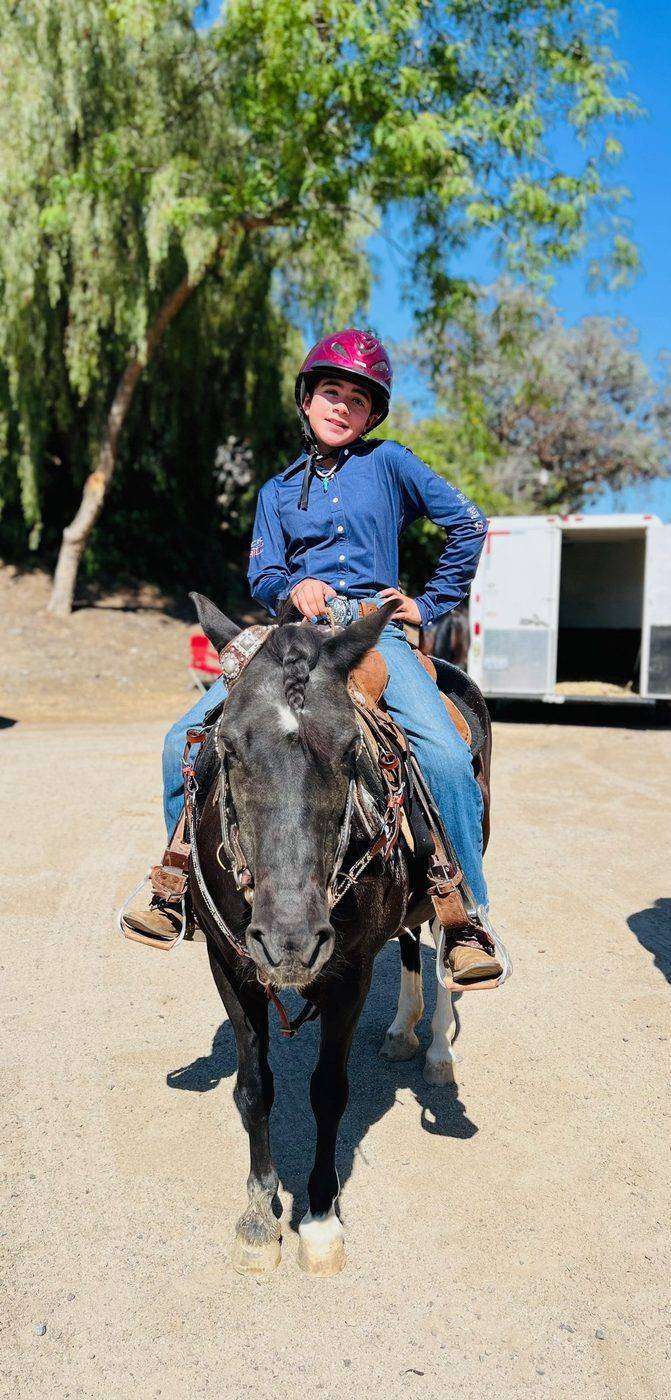
No other feature defines the Transbaikal like its hair. The whole body is covered in dense curls reminiscent of astrakhan lamb fleece, a coat that sheds water, traps warmth, and gives the breed its folk name of the curly horse. Under the curls the build is squat and strong: stallions stand no more than about 1.40 metres, with a large head and wide forehead, a short massive neck, a moderately wide chest, an elongated body, and short legs ending in wide, hard hooves made for steppe and stony ground alike.
Calm, Willing, and People-Oriented
Descriptions of the Transbaikal return again and again to temperament: calm, flexible, and oriented toward people, going willingly under saddle. That steadiness, with its famous endurance and undemanding feeding, made it the all-purpose horse of Transbaikalian villages — riding, light farm work, and transport in a region of long distances and hard winters. It is a versatile utility horse rather than a specialist, and its jumping and speed were never the point; arriving sound, day after day, was the point.
Rare, and Worth Keeping Curly
Today the Transbaikal is rare, bred mainly in its home region, with small numbers reported beyond it. Care follows from its design: the curly coat needs regular grooming attention so dirt and moisture do not sit unseen against the skin, forage-first feeding suits an easy keeper, hooves are maintained for hard ground, and preventive veterinary care runs on schedule. For this library the Transbaikal pairs with the Bashkir Curly page: two curly-coated landraces, an ocean apart in origin, proving the same coat solution evolved wherever winters bite.
Keep reading
From the ranch