Thrush in Horses: Signs and When to Call the Farrier
Thrush is a bacterial infection of the frog — the soft, V-shaped tissue in the hoof — and it announces itself with a smell most horse owners never forget. Here is how to spot it and what to do.
What Thrush Is
Thrush is caused by bacteria that thrive in moist, airless conditions — think muddy paddocks, dirty stalls, and packed-in manure. It attacks the frog and the grooves on either side of it, breaking down the tissue into a black, crumbly, foul-smelling discharge. Horses with deep grooves beside the frog or contracted heels are more susceptible, and wet seasons bring a yearly spike in cases. It is one of the most common hoof infections in horses, and it is almost always tied to environment as much as to the horse.
Signs to Look For
The smell is usually the first clue — a sharp, rotten odor when you pick up the foot that goes beyond normal barnyard funk. Look for black or dark discharge in the frog's grooves, ragged or pitted frog tissue, and sensitivity when you clean the area with a hoof pick. Mild thrush often causes no lameness at all, which is why daily hoof picking matters: you find it before the horse tells you. Advanced cases can make a horse sore, especially on hard ground or when turning. This is information only — if the horse is lame or the infection looks deep, get professional eyes on it.
What Your Farrier Will Do
Call your farrier — thrush is squarely their territory. The farrier will trim away dead, infected frog tissue to open the grooves to air, which the bacteria hate, and advise on a treatment plan for your situation. What you should not do is carve at the frog yourself: the hoof's live structures sit close beneath, and an overzealous hoof knife causes real damage. Keep the horse's environment as clean and dry as you can while it heals, and follow your farrier's aftercare instructions. If there is significant lameness, swelling, or no improvement, your veterinarian should be involved too.
Keeping Feet Thrush-Free
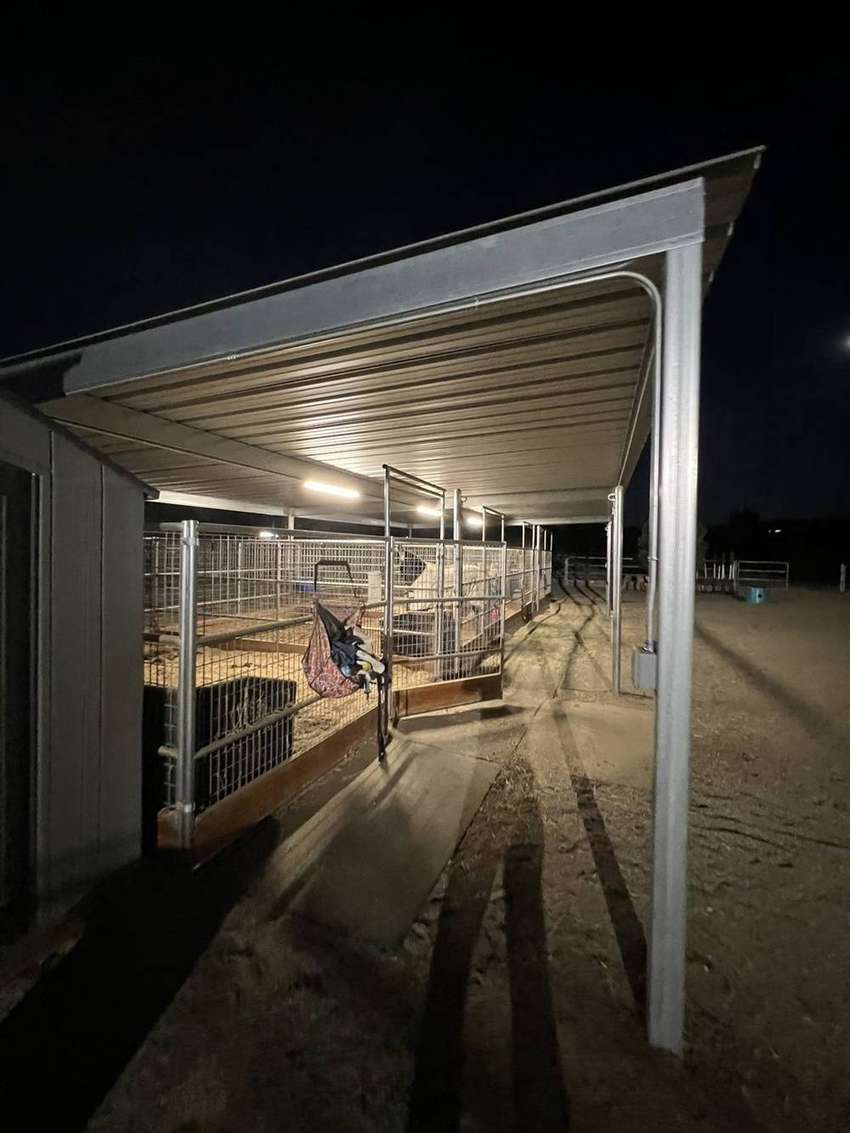
Prevention is mostly management. Pick out all four feet daily — it takes minutes and it is the single best early-warning system in horse care. Keep stalls clean and bedding dry, manage mud in high-traffic paddock areas, and keep trims on a regular schedule so the frog stays healthy and the grooves do not get deep and trap debris. Horses standing in manure or mud for long stretches are thrush candidates regardless of how good their feet are. Clean, dry footing and consistent farrier care prevent the vast majority of cases.
Keep reading
From the ranch