Teaching a Horse to Ground Tie
Ground tying — a horse that stands still with its lead rope simply dropped — is the ranch hand's quiet convenience, taught in short, fair lessons that reward standing and never test a horse past its education.
What Ground Tying Is (and Is Not)
A ground-tied horse has learned a cue: the lead rope dropped to the ground means stay here, as surely as a tie rail does. It is a trained stand, not a physical restraint, and honest trainers say so plainly — a frightened or determined horse can walk away from a ground tie, so it is used for brief, supervised pauses in safe places: opening a gate mid-ride, stepping away for a moment at the trailer, pausing in the arena. It is never a substitute for tying securely where a loose horse would be in danger, near roads, or for long unattended periods. Taught well, it is also a window into a horse's mind: a horse that chooses to stand is a horse that understands its job.
Before the First Lesson
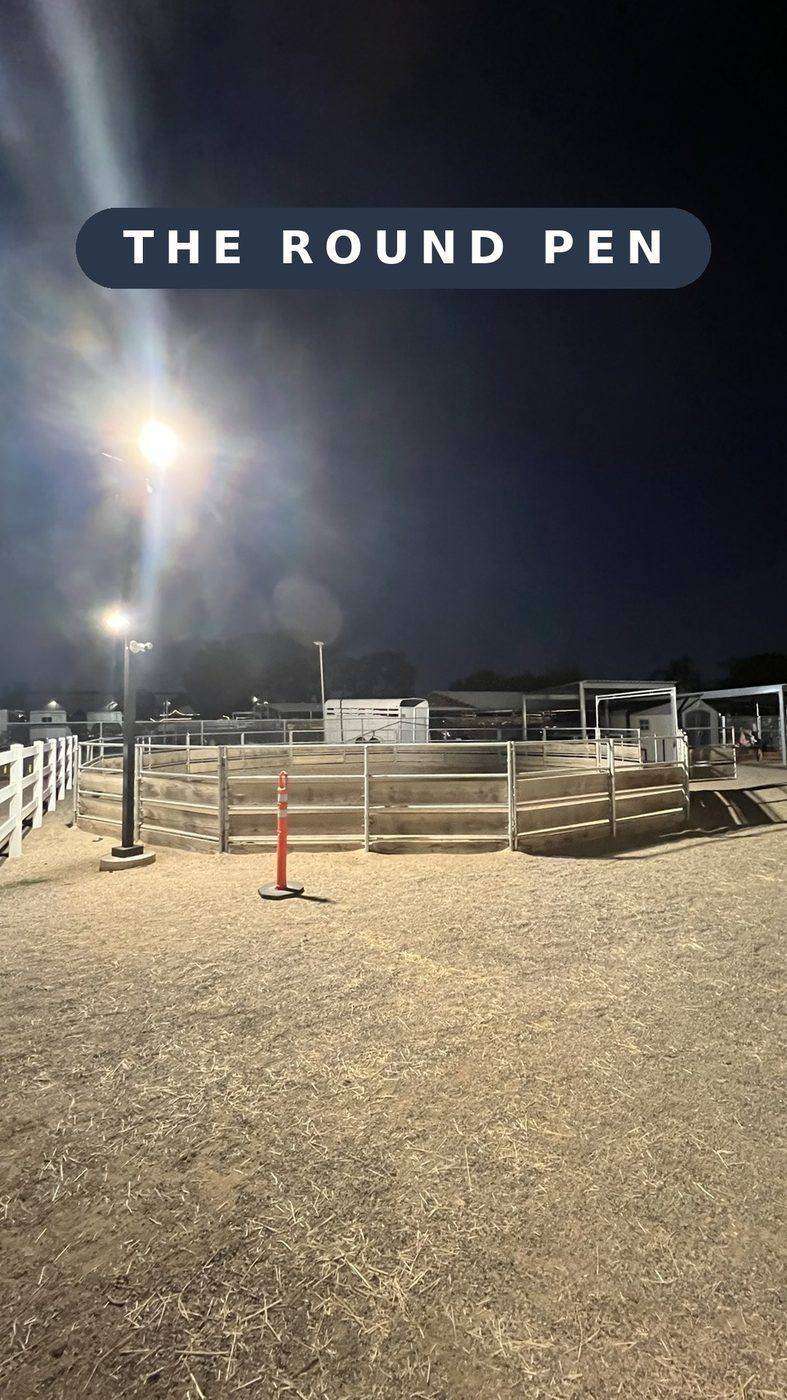
Ground tying is built on skills that must come first: a horse that leads well, stops promptly on a verbal and rein or rope cue, stands for grooming without fidgeting, and is not anxious when its handler moves a few steps away. Lessons begin in a quiet, enclosed space — a round pen or small arena — with no audience, no loose horses to join, and no time pressure. Sessions are short: standing still is mentally tiring for a young horse, and five good minutes teach more than thirty drilled ones. The equipment is ordinary — halter and a lead rope long enough to drop with slack — because the cue is the dropped rope, not any special gear.
The Lesson, Step by Step
Stand the horse in the middle of the space, give your stand cue, drop the rope, and step back one step — then return and reward before the horse moves, with a scratch and release of all pressure. Build distance and time in inches and seconds: a few steps away, a turn of your shoulder, a brief crouch as if checking a hoof. If the horse steps off, calmly lead it back to the exact spot, without scolding — the spot itself is the lesson — and make the next repetition easier so it can succeed. Most horses understand the game within a few short sessions spread over days; rushing the distance is the one reliable way to slow the whole process down.
Proofing and Honest Limits
Proof the stand gradually: a few seconds while you touch a gate, walk around the horse, or rattle a quiet object, always returning to reward, always ending before the horse's patience does. Add mild distractions only when the quiet version is solid, and rebuild in each new place rather than assuming the lesson travels — horses learn places as much as cues. Keep the honest limits in view for the horse's whole life: ground tie for moments, in safe ground, with a horse whose education you know. Used that way, it is one of the small daily graces of a well-broke horse — a partnership visible in a rope lying still in the dust.
Keep reading
From the ranch