Show Jumping: Clear Rounds Against the Clock
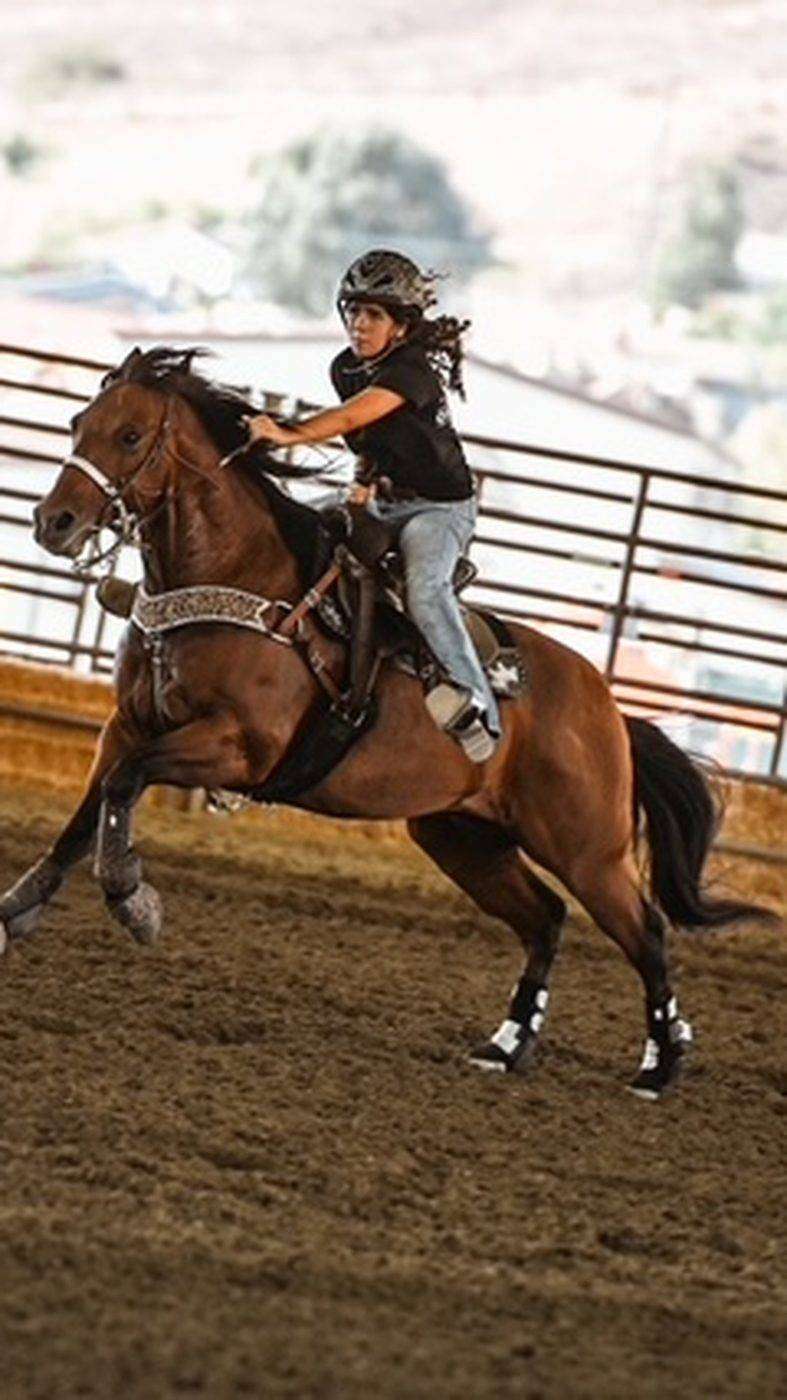
Show jumping sends horse and rider over a course of colored fences that fall when touched — faults for rails and refusals, and the clock to settle the rest.
The Simplest Scoreboard in Sport
Show jumping's appeal starts with how readable it is. The fences are built from rails resting in cups, so a touch costs a rail on the ground: typically four faults. A refusal or run-out costs faults too, falls and errors of course cost elimination, and exceeding the time allowed adds penalties. Riders who finish the first round without faults return for the jump-off — a shortened course against the clock, where the fastest clear round wins. No judge's taste intervenes: the rail fell or it did not, and the clock is the clock. That objectivity, plus fences that can be built to championship height, is why jumping anchors the Olympic equestrian program.
Walking the Course Is Riding It First
Before any round, riders walk the course on foot — literally pacing the distances between fences, since related lines are built on a standard twelve-foot stride and every rider must know whether their horse's step will fit the line in five strides or need six. The walk is where the round is planned: which fences come off short turns, where the time will be saved or lost, where a greener horse needs a confidence-giving approach. Then the plan has to survive contact with a living horse, and the skilled rider's art is adjusting mid-course without panic — adding a stride quietly, balancing earlier, keeping the rhythm that makes fences jump themselves.
Gymnastics, Rhythm, and the Schooling Ladder
Jumpers are made on the flat and over small fences. Schooling builds the adjustable canter — the ability to lengthen and shorten stride on request — and gymnastic grids teach the horse to think, balance, and use its body without the rider steering every takeoff. Heights rise only as fast as confidence and correctness allow, on horses whose conditioning, hoof care, and veterinary care are managed as an athlete's program; any loss of form or willingness is information to act on early with your coach and veterinarian. Riders progress through heights and divisions as their rounds get accurate, because clear rounds, not brave ones, are the ladder.
Safety and Sportsmanship in the Jumping Ring
The sport's protective habits are non-negotiable: certified helmets, checked tack, and warm-up ring etiquette that keeps a crowded practice area workable. Falls of horse or rider generally end the round under the rules, and a horse that stops repeatedly is excused — welfare lines built into the rulebook, which riders are expected to honor before officials must. Jump-offs reward boldness, but the culture at its best distinguishes between brave and reckless: the riders who last in this sport protect their horses' confidence like capital. Spectators new to jumping should watch one jump-off live if they can — eight fences, thirty-five seconds, and total silence until the last rail stays up.
Keep reading
From the ranch