The Shire Horse: England's Tall, Gentle Draft Giant
The Shire is among the tallest horse breeds in the world — a broad, feather-legged draft horse developed in England for farm work, brewery wagons, and canal boats. For all its size, it is known first for its calm, easy-going nature.
From Fen Farms to Brewery Wagons
The Shire developed in the low-lying farm counties of central England, where strong horses were needed to work heavy soils, haul produce, and pull barges and wagons. Breeders selected for size, pulling power, and a level head, and a formal breed society organized the type in the late 1800s. Shires became famous as brewery horses, delivering barrels through city streets in polished harness, and as steady farm engines before tractors arrived. Mechanization shrank their numbers sharply, and the breed is still watched by rare-breed organizations today — every working Shire is also a conservation story.
How Big Is Big
Stallions commonly stand 17 hands or more, with many individuals taller, and the breed carries a long, lean head, a deep wide chest, a short muscular back, and long, wide hindquarters built for pulling. Legs carry fine, silky feather — less profuse than some draft breeds — over large, sound feet. Accepted colors are mainly black, bay, brown, and gray, with roan seen in mares and geldings. Despite the height, a well-made Shire should move freely and actively, not lumber. Standing next to one is the real education: the scale is architectural, and so is the quiet.
Temperament and Uses
Shire people prize the breed's docility. A horse this size must be mannerly, and generations of city delivery work selected for animals unruffled by traffic, crowds, and noise. Today Shires pull wedding carriages and brewery drays, work in forestry and farm demonstrations, show in hitch and halter classes, and are crossed with lighter breeds to produce tall, sensible sport horses and hunters. They are also ridden, though finding saddles and trailers that fit is part of the ownership puzzle. Beginners should learn with an experienced handler — not because Shires are difficult, but because any horse this size magnifies small handling mistakes.
Keeping a Giant
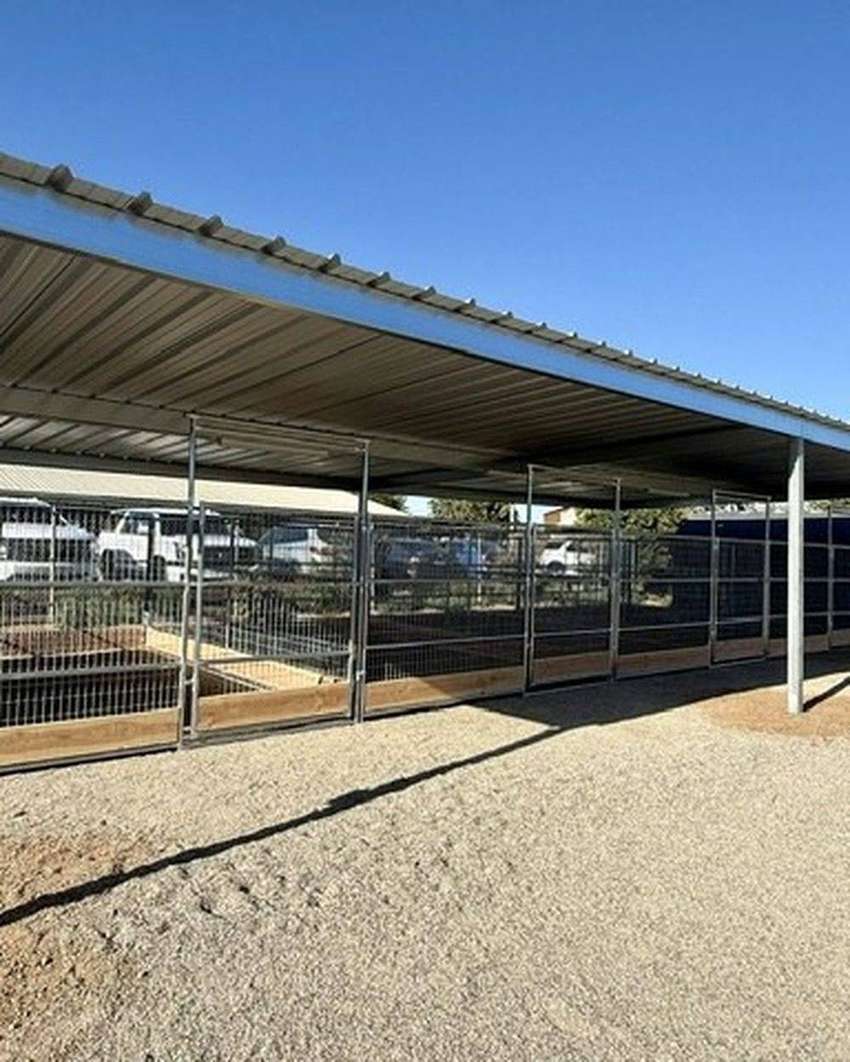
Everything about Shire keeping is scaled up: more forage, bigger stalls and trailer space, larger shoes set by a farrier comfortable with draft feet, and fencing and gates built for a horse that can lean. Feather needs regular inspection, because draft breeds can develop skin irritation and a progressive lower-leg condition that hides under the hair; part the feather and check often, and ask your veterinarian about any swelling, crusting, or thickened skin. Feed is mostly forage — most Shires are efficient for their size — so build the diet with your veterinarian's guidance and watch body condition rather than the feed scoop.
Keep reading
From the ranch