The Sanhe: China's Three Rivers Horse
The Sanhe is China's most developed native breed — a compact riding and harness horse from the Three Rivers basin of north-eastern Inner Mongolia, built by crossing imported stallions on Mongolian mares.
Named for Three Rivers
Sanhe means three rivers, and the name describes the breed's homeland: the basin where three rivers meet in the Erguna country of north-eastern Inner Mongolia, a region Oklahoma State's breed library calls home to some of the best grassland in China. Local Mongolian horses had grazed that grass for centuries. From the early twentieth century, Russian and other imported stallions — Orlov and Anglo-Norman among the influences recorded in breed histories — were crossed on the local mares, and generations of crossbred horses emerged that were taller, faster, and stronger than the steppe horse while keeping much of its endurance.
A Breed Made by Assessment
The Sanhe became a breed by government decision as much as by tradition. In 1955 China's Ministry of Agriculture assessed the crossbred horses of the Three Rivers area and established two stud farms to develop the population as a new breed under the Sanhe name. That makes the Sanhe, in the classification Chinese sources use, a developed breed — deliberately formed from native and imported stock under a plan — and it is generally considered the most developed of China's horse breeds. The stud farms recorded, selected, and bred on, turning a regional crossbred population into a named breed with a standard.
Compact, Muscular, Bay or Chestnut
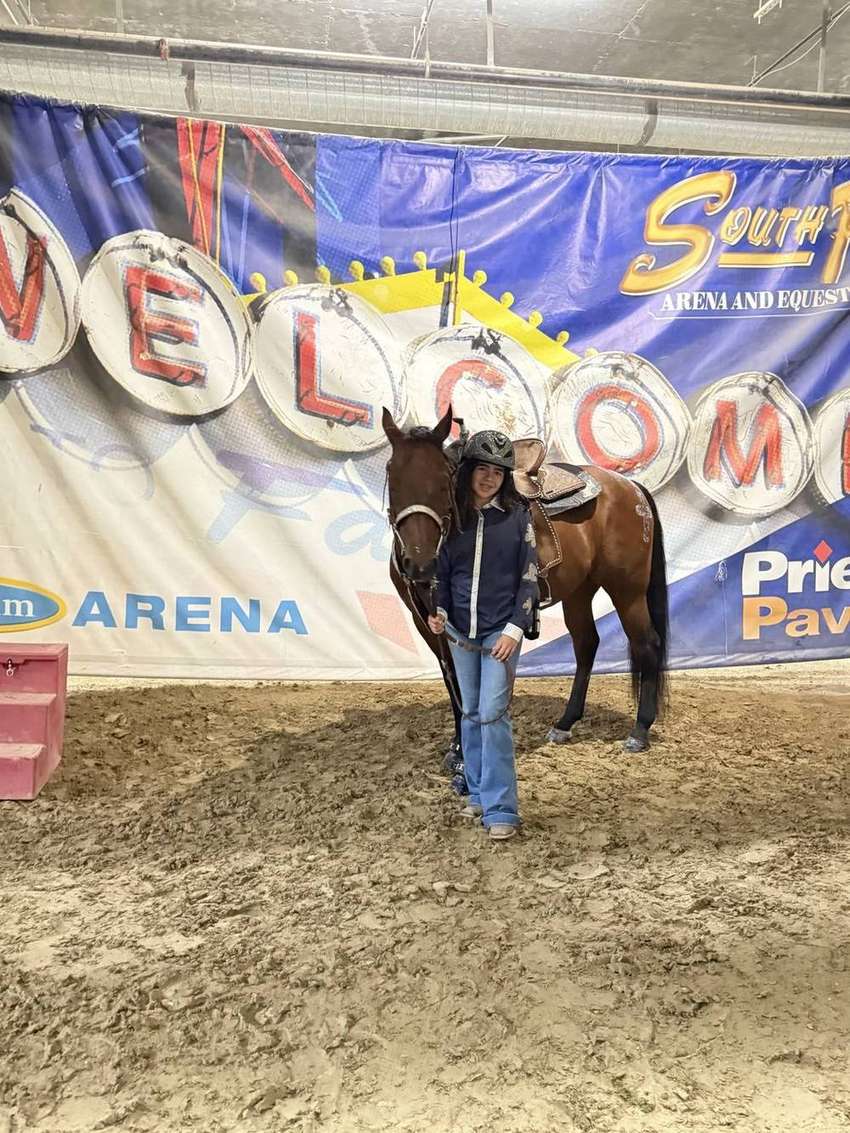
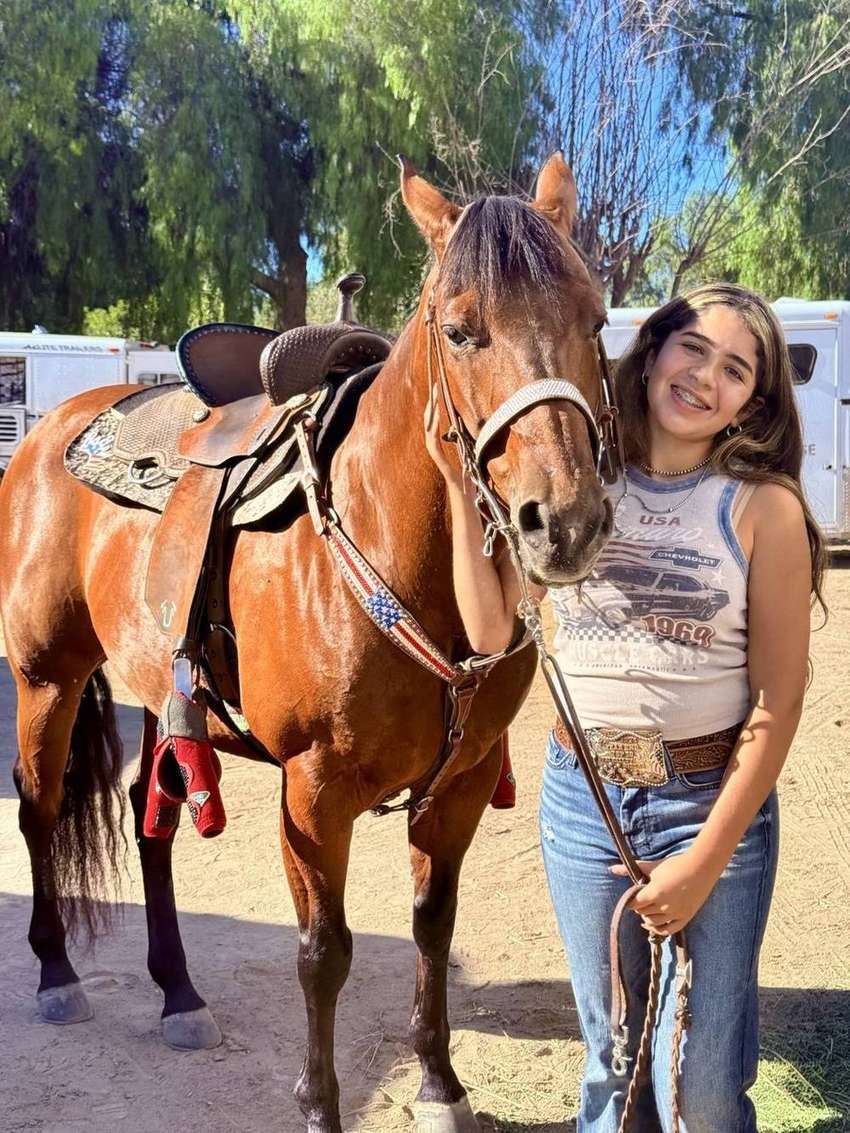
The Sanhe is described as compact and muscular, a mid-sized riding and draught horse with the substance of its Mongolian foundation and more height and quality from the imported side. Bay and chestnut are the usual colours; other colours are rare. The breed is used for racing, saddle, and harness work in its home region — a genuinely all-purpose horse for a grassland culture that rides, drives, and carts with the same animal. Genetic studies of Inner Mongolian horses find the Sanhe distinct from its Chinese Mongolian ancestors, the measurable result of a century of crossing and selection.
Keeping a Sanhe Well
No special regime follows a Sanhe across the world; the fundamentals travel: forage-first feeding on the grassland model the breed was built on, weight watched on an efficient steppe metabolism, regular hoof, dental, and veterinary preventive care, and fitness built progressively for a horse bred to cover country. The Sanhe's lesson for this library is how recently a breed can be made: within living memory of its founding assessment, a crossbred grassland population became a recorded national breed — proof that a studbook, a standard, and two farms can do in decades what isolation did elsewhere in centuries.
Keep reading
From the ranch