Rodent Control in the Barn: The Basics
Mice and rats in a barn contaminate feed, chew wiring, and carry disease — and the control that works is mostly housekeeping: remove food and shelter, seal the gaps, and let the barn's own predators and well-placed traps do the rest.
Why Barns Grow Rodents
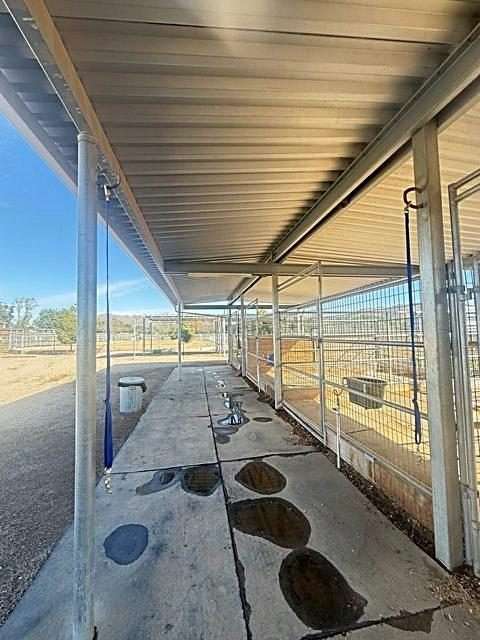
A barn offers rodents the complete package: spilled grain and open feed, water, warm bedding and hay for nesting, and a hundred protected runways along walls and rafters. The damage runs in several directions at once. Rodents contaminate far more feed with droppings and urine than they eat, and their urine can carry leptospirosis, a disease horses and people share. Gnawing strips wiring insulation — a fire risk with a whisker — and damages tack, blankets, and stored supplies. And a barn feeding rodents is also feeding the snakes and attracting the predators that follow them, which is not always the population a horse owner wants moving in.
Housekeeping Is the Main Control
Lasting control starts by making the barn a bad rodent address. Feed lives in sealed metal or heavy lidded bins, spills are swept the day they happen, and nothing edible sleeps in open bags or buckets. The feed room door latches, gaps under doors and around pipes are sealed — a mouse needs a hole the width of a pencil — and clutter, old bedding piles, and undisturbed junk corners that give nesting cover are cleared out. Water leaks are fixed. None of this is glamorous, and all of it outperforms any trap program in a barn where dinner remains served nightly on the floor.
Cats, Traps, and the Poison Question
The traditional barn cat remains a genuine control — a working, fed, vaccinated barn cat patrols exactly the runways rodents use, and its presence alone discourages settlement. Traps, placed along walls and in the runs where droppings appear, and checked and reset diligently, handle the residents that housekeeping displaces; live traps suit owners who will actually relocate promptly and legally. Poison is where this page urges care: rodenticides can kill the barn cat, the dog, the owl, and the wildlife that eat poisoned rodents, and a poisoned rodent dying inside a wall is its own punishment. Where infestation is severe, a licensed pest professional who understands barns and livestock is worth the call — and poisons, if used at all, belong in tamper-proof stations placed by that professional, never loose in a feed room.
Monitor, Because They Always Test the Door
Rodent control is a season, not an event: pressure peaks in autumn, when field mice move indoors ahead of the cold — which is when gaps get sealed and traps get set in a well-run barn. Watch for the evidence on every feed-room visit: droppings, gnaw marks, burrow entrances along the foundation, and the giveaway smell in enclosed corners. Keep the count of what you see honestly; a barn that finds the first autumn mouse in a trap has a system working, and a barn that finds droppings in the grain bin has homework. The goal is not a wilderness ethic debate — it is clean feed, safe wiring, and horses eating dinner that nothing else has walked through.
Keep reading
From the ranch