Pony Racing: Small Horses, Serious Speed
Pony racing puts young riders on racing ponies over real courses — Britain's Shetland Grand National and youth pony races in North America are nurseries of jockeys and pure spectacle.
Racing Scaled Down, Not Dumbed Down
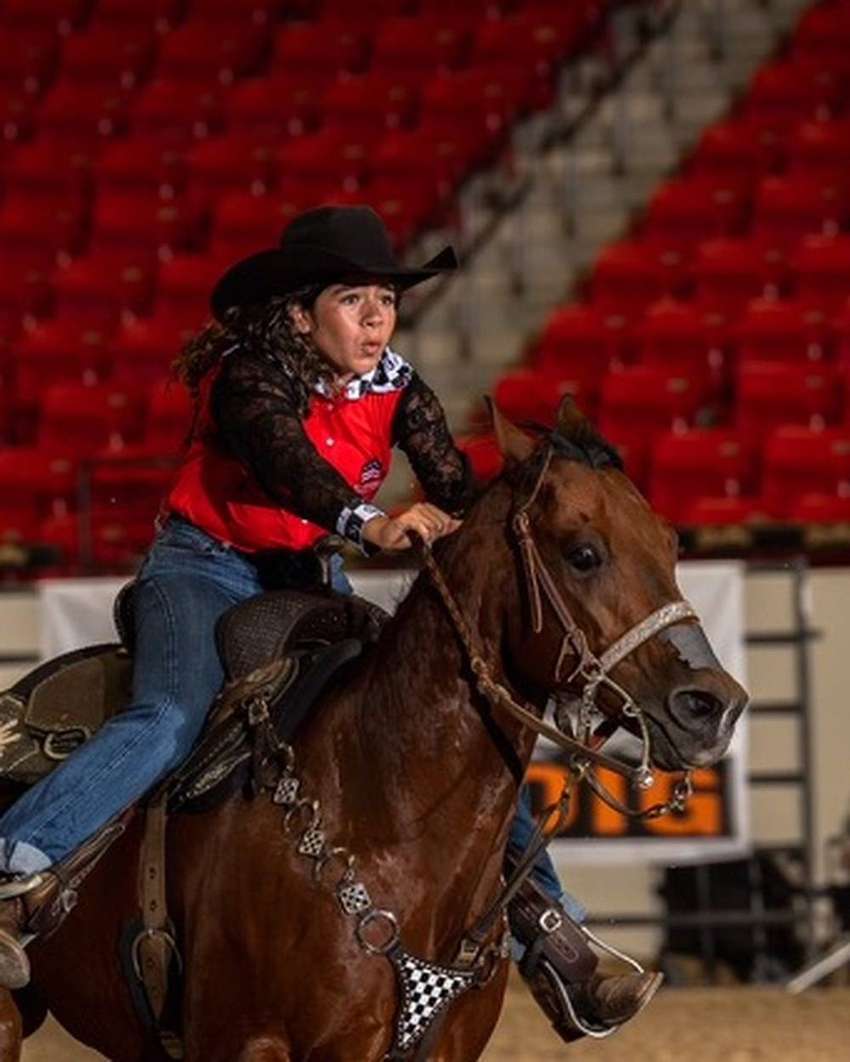
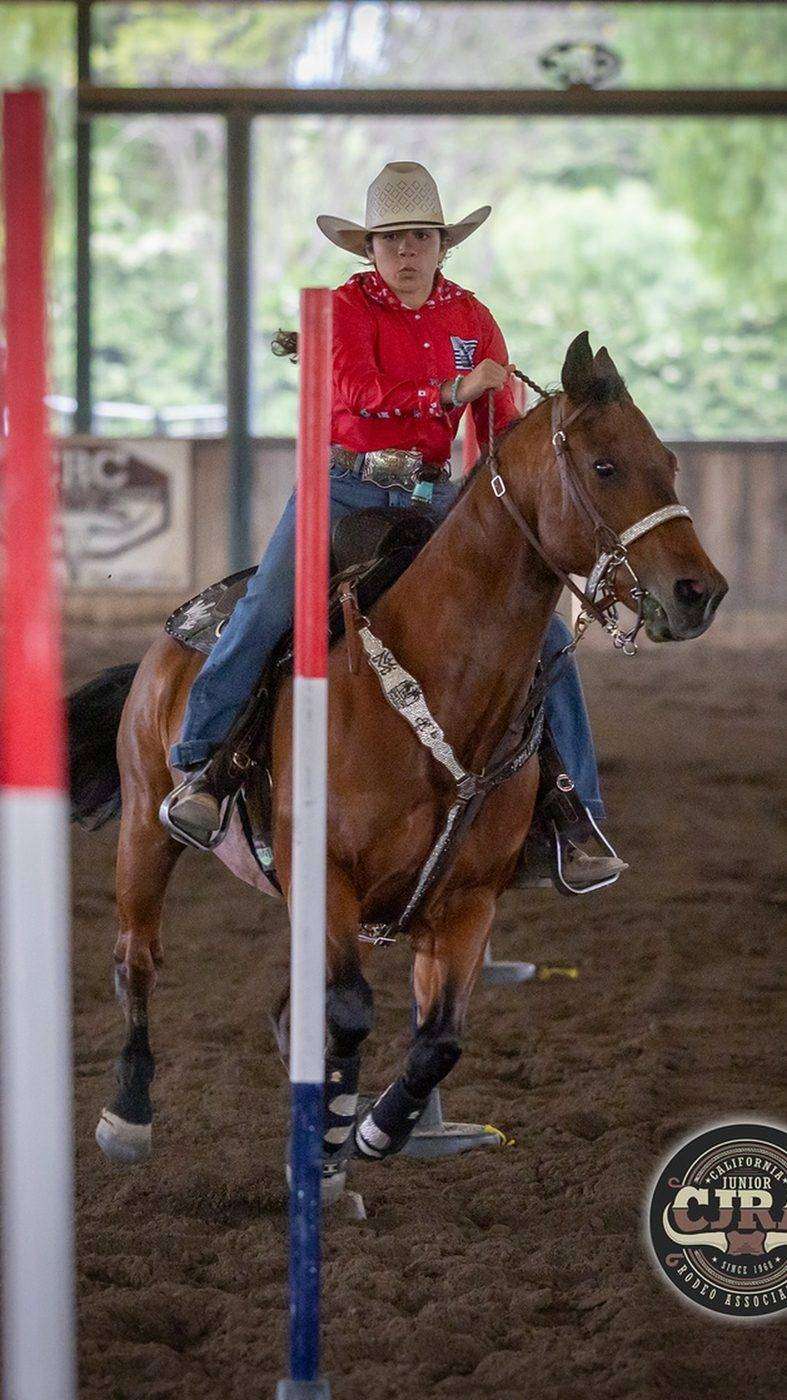
Pony racing is flat and jump racing contested on ponies, with riders who are mostly children and young teenagers. In Britain and Ireland it runs under pony racing associations with height-banded pony classes, rider age and experience rules, and races at point-to-point meetings and racecourses; its most famous exhibition is the Shetland Pony Grand National, run over miniature brush hurdles at shows including Olympia in London, where Shetlands and their young riders in racing silks jump a scaled-down course to enormous crowd delight. In North America, youth pony races at steeplechase meets and fair circuits serve the same purpose: real racing, at pony scale.
Ponies, Riders, and Rules
The ponies are genuine athletes — Shetlands in their own class, and larger racing ponies, often Welsh, Thoroughbred-cross, and other sport ponies, in the open classes — fitted, groomed, and turned out like any racehorse. Riders are licensed or approved through their association, wear silks, helmets, and body protectors, and are matched to classes by age and experience; fields are kept small and starts supervised. Pony racing is taken seriously as a development pathway: its graduates regularly progress to amateur and professional race riding, having learned pace, position, and racecraft where the speeds are real but the falls are shorter.
Why Small Racing Teaches Big Lessons
Everything that makes flat racing hard is present in pony racing, compressed: a clean break, a position in the field, judging pace on a mount whose stride is short, saving ground on turns, and riding a finish. Jump pony races add schooling over hurdles and the discipline of presenting a pony at a fence in company. Trainers of ponies teach the same craft as racehorse trainers at stable scale — fitness built gradually, legs checked daily, feeding matched to work — which is why pony racing yards are such effective classrooms for young horsemen and women, whatever they ride later.
Watching and Joining Pony Racing
For spectators, pony racing is the most accessible racing in the world: the fields are close, the riders' determination is unmistakable, and the Shetland classes in particular are pure joy with real competition inside them. For families, the route in runs through pony racing associations and clubs, which publish pony height rules, rider eligibility, and fixture lists, and expect schooling and fitness standards before a first race. Readers of this library will find pony racing at the crossroads of several articles here — flat racing, steeplechasing, and the Shetland pony breed itself — proof that in horses, serious and small have never been opposites.
Keep reading
From the ranch