Ponies Explained: Small Horses With Big Lessons to Teach
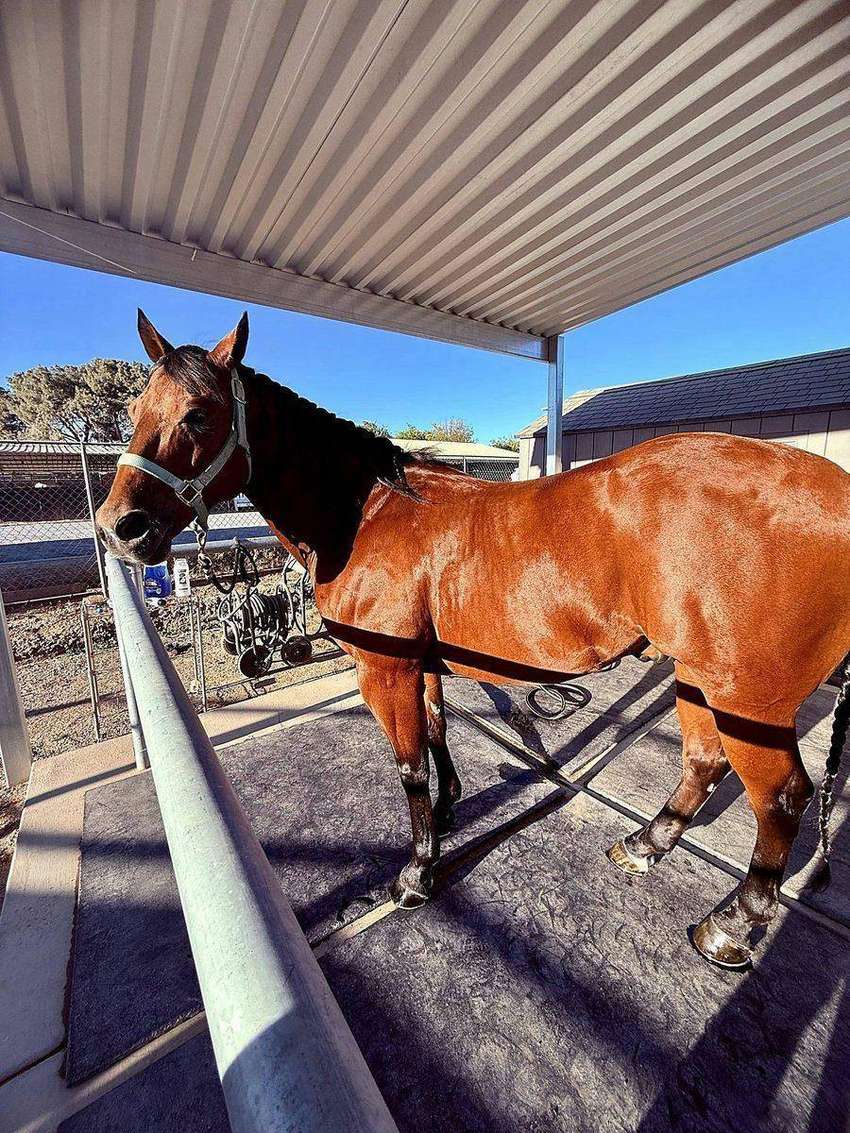
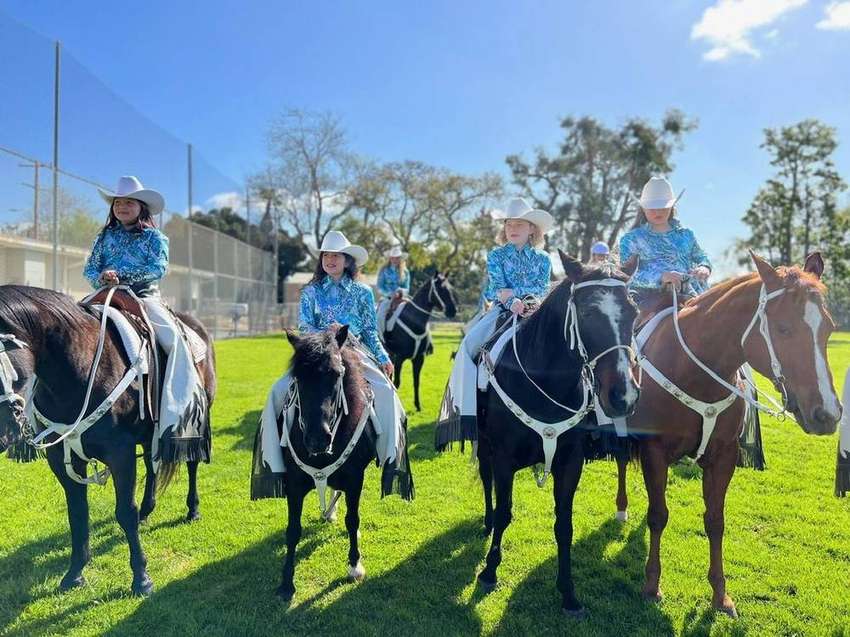
A pony is not quite just a small horse — the official cutoff and the famously strong character make ponies their own thing. Ponies stand 14.2 hands and under, and they pack remarkable strength, intelligence, and opinions into that smaller frame. Here is why so many riders got their start on a pony.
What Makes a Pony a Pony: The 14.2 Line
The dividing line is height: a horse measuring 14.2 hands or less at the withers is classified as a pony, while anything taller is a horse. A hand equals four inches, so 14.2 hands means fourteen hands plus two inches — fifty-eight inches at the shoulder, roughly. The measurement is taken at the withers, the ridge where the neck meets the back, because it is the most stable point on a standing horse. Some individual breeds blur the line in everyday conversation, but for shows and registrations the 14.2 cutoff is the standard most of the horse world uses. Knowing the number is handy trivia, but the real difference between ponies and horses has less to do with inches and more to do with character.
Pony Temperament: Smart, Sturdy, and Sure of Themselves
Ponies have a reputation for being clever, strong-willed, and occasionally mischievous — and there is truth in it, though the reputation is a little unfair. Bred for centuries to survive harsh conditions on little feed, ponies are famously hardy, thrifty keepers that think for themselves rather than waiting for instructions. That independence reads as stubbornness to a rider who expects automatic obedience, but it is really just intelligence paired with self-confidence. A pony that tests its rider is often a pony that has learned exactly where the boundaries are — which makes ponies excellent, if honest, teachers. Riders who earn a pony's cooperation tend to develop better feel and clearer aids than riders who never had to negotiate. Respect the pony's brain and you will get further than fighting it.
The Strength Myth: Small Does Not Mean Fragile
One of the most persistent myths is that ponies are delicate because they are small — the opposite is true. Ponies are famously strong for their size, with dense bone, tough hooves, and a constitution that lets them thrive where bigger horses struggle. Historically they pulled carts, carried packs, and worked in mines; a fit pony is a genuinely powerful animal, not a toy. That strength means ponies need the same respectful handling as any horse — they can pull, push, and spook with real force. It also means weight limits and workload still matter; small does not mean a pony can carry anyone indefinitely. Treat a pony as the sturdy athlete it is: capable, durable, and deserving of proper care, conditioning, and farrier and veterinary attention like any horse.
Why Ponies Make Great Teachers
Ponies are often a beginner's first mount for practical reasons: the ground is closer, the stride is shorter and easier to sit, and everything from grooming to tacking up happens at a reachable height. But the real teaching gift is the pony's honesty — a pony will quietly tell a rider when the aids are muddled, the balance is off, or the request was unclear, usually by simply not doing it. Riders who learn on ponies tend to develop independent seats and effective legs, because ponies rarely carry a passenger for free. Many of the best riders in every discipline started on a pony and still credit it for their foundation. If your path ever crosses a good school pony, consider yourself lucky — there is no better first instructor in the barn.
Keep reading
From the ranch